

Pain isn’t always just “part of life”—sometimes it’s your body’s smart way of saying, “Something might need fixing, and soon.” Everyday twinges from a tough workout or stress usually pass on their own, but certain kinds of pain are red flags for potentially serious stuff. Spotting them early can really help with getting the right care fast.
Here’s a quick rundown of 7 types that health pros say you should never brush off (this isn’t medical advice—I’m just passing along what doctors emphasize; always chat with a real healthcare provider if something feels wrong):
- Sudden or intense chest pain/pressure (maybe spreading to arms, jaw, neck, or back) — Often linked to heart concerns, so don’t wait—call emergency services.
- The “worst headache you’ve ever had” — Especially if it hits like a thunderclap, with nausea, vision issues, or confusion. Could be serious like a bleed or stroke.
- Bad abdominal pain — Sharp, persistent, or focused (like lower right side), plus fever or vomiting. Might mean appendicitis, pancreatitis, or other urgent belly issues.
- Calf or leg pain with swelling/tenderness — Particularly one-sided; this can signal a blood clot that needs quick evaluation.
- Back pain along with fever or feeling unwell — Could point to a kidney infection or spinal issue.
- Sudden, severe pain in areas like the testicles (for men) or pelvis — Often requires immediate check for things like torsion or other emergencies.
- Any sharp, new pain that comes with numbness, weakness, trouble speaking/moving, or just stops you cold — Better to get it looked at right away.
Bottom line: Trust your gut—if the pain feels “off,” intense, or won’t quit, reach out to a doctor, urgent care, or ER. It’s always smarter to check than to wonder later.
A brutal headache that strikes like lightning, without any warning.

the faster it’s evaluated, the better the chances of catching and handling anything dangerous before it becomes life-threatening.
Even though many intense headaches turn out to be something less serious, this particular pattern is one doctors take very seriously and always recommend investigating immediately. Better to be safe and get it looked at quickly.
Pain or an uncomfortable feeling in the chest

Feeling pain, pressure, or a tight/squeezed sensation in your chest
This can show up in different ways:
- like a heavy weight pressing down
- a squeezing or gripping feeling
- tightness that makes it hard to get a full breath
- aching or burning discomfort
The uncomfortable feeling might not stay just in the center of your chest. It often spreads or moves to:
- one or both arms (especially the left, but sometimes the right too)
- your neck or throat
- your jaw
- your upper back
- your stomach or upper belly area
Why this matters: These kinds of sensations — especially when they’re new, strong, don’t go away quickly, or feel unusual compared to anything you’ve had before — can sometimes be linked to heart problems, including a possible heart attack or reduced blood flow to the heart (angina).
The safest thing to do: Don’t try to figure it out on your own or wait to see if it passes. If the discomfort is happening now and feels serious, call emergency services right away (or have someone take you to the nearest emergency room). Quick help can make a huge difference.
Even if you have things like high blood pressure, diabetes, high cholesterol, smoke, or a family history of heart issues, these symptoms deserve fast attention — but anyone can experience them, so don’t brush them off just because you’re “young” or “fit.”
Lots of chest discomfort turns out to be something non-heart-related (like muscle strain, reflux, anxiety, or breathing issues), but because heart problems can look exactly like this, doctors always say: better to get checked quickly and be told it’s nothing serious than to take any chances.
Ache, pain, or discomfort in your lower back — or right between your shoulder blades

Don’t try to tough it out or assume it’s “just back pain” if it feels extreme or different.
- If the pain hits hard and fast, is unbearable, or comes with other red flags (shortness of breath, chest pressure, sweating, nausea, dizziness, fainting, weakness in legs, or pain spreading to the abdomen/jaw/arms), call emergency services or get to an ER immediately. These can be signs of a life-threatening emergency that needs fast attention.
- Even if it’s not that dramatic but the pain is persistent, getting worse, or not improving after a short time, see a doctor or go to urgent care soon. They can do the right checks (exams, imaging, etc.) to figure out what’s really going on.
Most back pain turns out to be musculoskeletal or mechanical — nothing sinister. But because a small percentage of cases can point to serious issues, the general guidance is clear: when back pain feels “off” or unusually bad, getting it properly evaluated gives you answers and protects your health.
Pain or discomfort in your abdomen that comes along with other warning signs

Ongoing or really strong pain in your belly, especially when it’s teamed up with other symptoms
Most stomachaches or abdominal discomfort come and go from everyday things like gas, something you ate, constipation, or a mild bug. They usually settle down on their own or with basic care.
But when the pain is persistent (sticks around for hours to days without much relief) or severe (hard to ignore, makes it tough to move comfortably), and it shows up together with things like:
- fever (even a low-grade one that won’t quit)
- nausea or actual vomiting (especially if it keeps happening)
- noticeable swelling or bloating in the abdomen
- feeling very tender when you press on the area
- chills, sweating, dizziness, or feeling faint
…that combination is something doctors never brush off.
These patterns can sometimes point to more serious issues that need quick attention, such as:
- appendicitis (inflammation of the appendix — often starts around the belly button then moves lower right)
- gallbladder problems (like gallstones or cholecystitis/inflammation — typically hits the upper right side)
- pancreatitis (inflammation of the pancreas — often felt in the upper middle or left side, can radiate to the back)
- or other urgent conditions like infections, blockages, or organ inflammation
The clear advice from medical experts: Don’t wait around hoping it magically gets better.
- If the pain is intense, getting worse, or you have any of the extra symptoms listed (fever, repeated vomiting, swelling, etc.), get to an emergency room or call emergency services right away. Fast evaluation (often with exams, blood tests, and imaging) can catch problems early and prevent things from becoming much more complicated.
- Even if it’s not quite emergency-level yet but the pain has been hanging on for more than a day or two with those accompanying signs, see a doctor or go to urgent care promptly — better to know what’s happening than to guess.
Calf Pain with Swelling

Pain in your calf (or sometimes the back of your lower leg)
It might feel like:
- a cramping or charley-horse type ache
- a steady throbbing or soreness
- tightness that gets worse when you stand or walk
- pain that feels deep rather than just on the surface
When this kind of calf pain is more concerning: If the discomfort is paired with any of these other signs in the same leg:
- noticeable swelling (the calf or ankle looks puffy or bigger than the other side)
- the area feels unusually warm to the touch
- the skin looks red or discolored (sometimes reddish or purplish)
- the leg feels tender when you press on it
This specific combination — especially when it comes on fairly suddenly and affects just one leg — can be a classic warning sign of deep vein thrombosis (DVT), which is a blood clot forming in a deep vein, most often in the calf or thigh.
Why this is serious: A clot like this can break loose, travel through the bloodstream, and get stuck in the lungs. That’s called a pulmonary embolism (PE), and it can be life-threatening because it blocks blood flow and oxygen.
What medical experts strongly recommend: Don’t wait to see if it goes away or try to “walk it off.”
- If you have calf pain plus swelling, warmth, redness, or any of those other signs → seek medical attention right away. The safest move is to go to an emergency room or call emergency services (especially if you also have shortness of breath, chest pain, a fast heartbeat, coughing up blood, or feel dizzy/faint — those could mean the clot has already moved to the lungs).
- Even if the symptoms are milder but still present together, get checked quickly — urgent care or your doctor can arrange the right tests (usually an ultrasound of the leg) to confirm or rule out DVT.
Lots of calf pain comes from muscle strain, dehydration, a pulled muscle, or just being on your feet too long — those are far more common. But because DVT can look similar and because the consequences can be so serious if missed, doctors always say: when these signs show up together, treat it as urgent until proven otherwise.
Getting evaluated fast usually brings peace of mind (if it’s nothing serious) or starts the right treatment quickly (if a clot is present). Blood thinners and other care work very well when caught early.
Burning Pain or Numbness in Legs or Feet
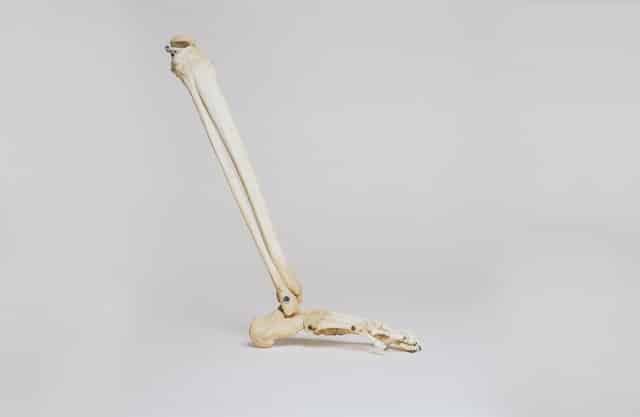
That burning, tingling, pins-and-needles, or numb feeling in your legs or feet
It might show up as:
- a hot, burning sensation (like your feet are on fire even though they’re not)
- prickling or tingling that comes and goes
- numbness so that parts of your feet or legs feel “dead” or like they’re asleep
- sharp, electric-shock-like jolts
- sensitivity where even light touch (like bedsheets) feels uncomfortable or painful
These kinds of sensations — especially when they affect both legs/feet and tend to start in the toes or soles and slowly creep upward — are very commonly linked to peripheral neuropathy (nerve damage in the arms and legs).
One of the most frequent causes of this kind of neuropathy is diabetes (both type 1 and type 2), because high blood sugar over time can injure the smaller nerves, especially in the feet and lower legs.
When this pattern becomes more concerning: If the burning, tingling, or numbness in your legs/feet is happening alongside classic signs of uncontrolled or undiagnosed diabetes, such as:
- feeling unusually thirsty all the time (drinking a lot more than usual)
- a dry mouth that won’t go away
- needing to pee frequently — especially waking up multiple times at night to go
- being tired or wiped out even after rest
- unexplained weight loss (in some cases)
- blurry vision that comes and goes
- slow-healing cuts or sores (especially on the feet)
The clear, doctor-recommended step: Don’t ignore these symptoms or assume they’re “just part of getting older” or “from standing too much.” See a healthcare provider soon — ideally your primary doctor or an urgent care clinic if it’s hard to get a quick appointment. They can do simple tests (like checking your blood sugar levels, an A1C test, and a basic nerve exam) to figure out what’s going on.
Catching high blood sugar or early diabetic neuropathy early makes a huge difference — lifestyle changes, medication, better blood sugar control, and certain nerve-pain treatments can stop or slow the progression and help you feel a lot better.
Painful Urination Painful Urination

Feeling pain, burning, or stinging when you pee
That sharp, burning, or uncomfortable sensation every time you urinate — sometimes described as “peeing razor blades” or just a hot, irritated feeling — is one of the most common red flags for a problem in the urinary system.
The two most frequent causes people hear about are:
- a urinary tract infection (UTI) — very common, especially in women, but men can get them too
- a sexually transmitted infection (STI) — such as chlamydia, gonorrhea, or others that can irritate the urethra
Other things that can sometimes cause similar symptoms include bladder irritation, kidney stones, prostatitis (in men), vaginal infections (in women), or certain skin sensitivities — but the burning-with-urination combo almost always deserves a proper check.
Why it’s not smart to just wait it out: If an infection is present and goes untreated, it can spread upward — from the bladder to the kidneys (which can make you very sick with fever, back pain, and chills) or, in the case of some STIs, cause longer-term issues like pelvic inflammatory disease, infertility risks, or chronic discomfort.
What doctors and health experts consistently recommend: Don’t try to tough it out, ignore it, or self-treat with random home remedies for more than a day or two if it’s clearly painful.
- See a healthcare provider soon — ideally within the next day or so if the burning is moderate to strong, or right away if you also have:
- fever or chills
- pain in your lower back or sides
- blood in the urine
- feeling shaky, nauseous, or generally unwell
- very frequent urge to pee with little coming out
- unusual discharge (especially if you’re sexually active)
A quick visit (to your regular doctor, urgent care, or a sexual health clinic) usually involves a simple urine test, sometimes a physical exam, and — if needed — testing for STIs. Most of these infections are very treatable with the right antibiotics or other medication when caught early.