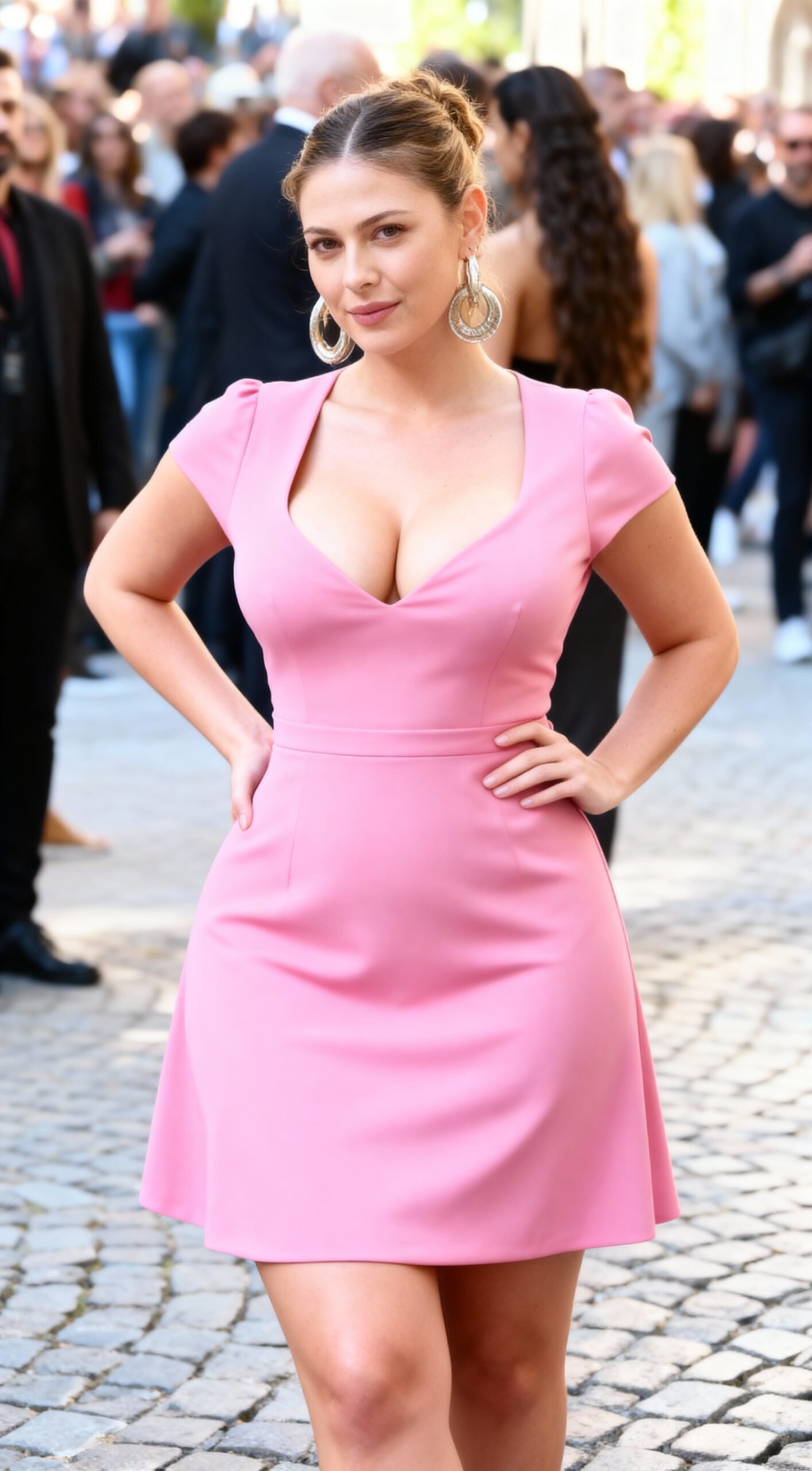
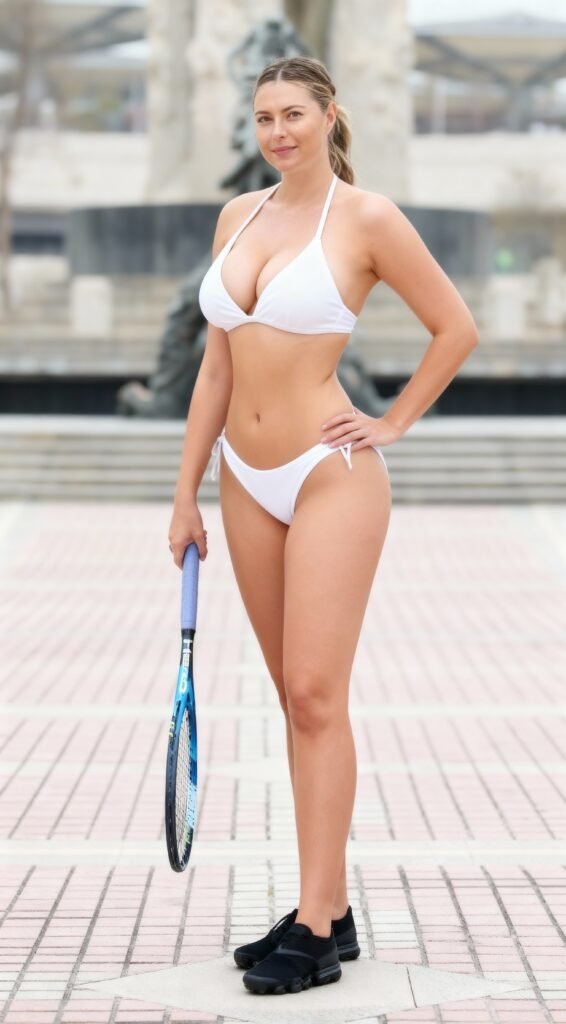
There’s something unforgettable about Maria Sharapova. Even years after she walked away from professional tennis, her name still brings up images of fierce determination, that signature grunt on every powerful groundstroke, and a career that blended raw talent with unbreakable grit.
Born on April 19, 1987, in Nyagan, Siberia, Maria grew up in a family that didn’t have much. Her father, Yuri, was a construction worker, and her mother, Yelena, had been a professional athlete herself. Tennis entered her life early—her first racket came at age four from a family friend. By six she was already turning heads. A chance encounter with Martina Navratilova in Moscow changed everything; Navratilova saw real potential and suggested training in the United States. So at just seven years old, Maria and her father moved to Florida with barely any money and no English. Her mother had to stay behind for two years due to visa issues. That kind of early sacrifice sets the tone for the rest of her story.
She trained at the famous Nick Bollettieri Academy (later IMG), turning pro at 14 in 2001. By 2003 she was winning her first WTA titles in Tokyo and Quebec City. Then came 2004—her breakthrough year. At just 17, she shocked the world by defeating two-time defending champion Serena Williams in the Wimbledon final to claim her first Grand Slam title. She became the first Russian woman to win Wimbledon and one of the youngest champions in the tournament’s history. Overnight, “Maria Mania” took over.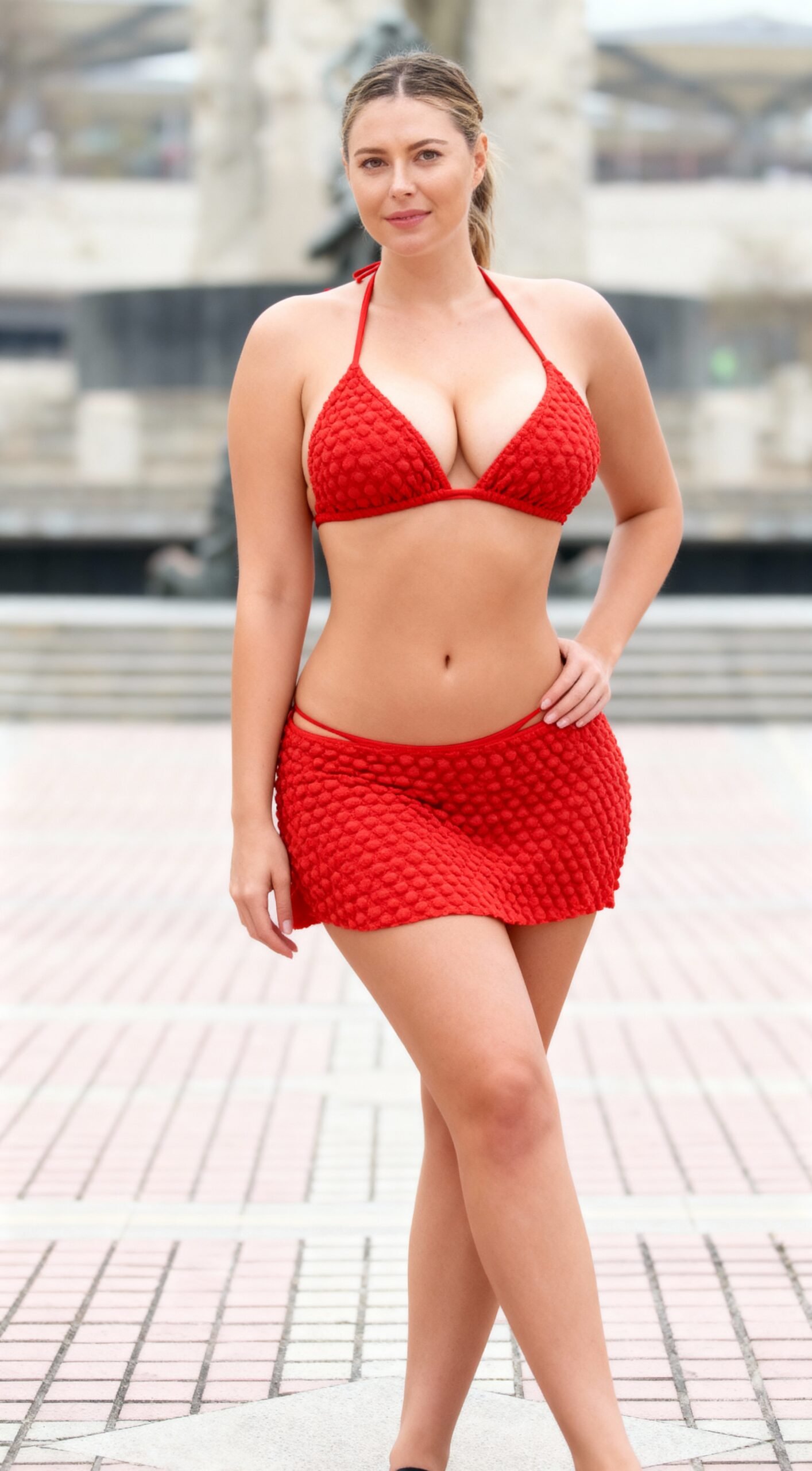
The titles kept coming. She reached world No. 1 for the first time in August 2005—the first Russian woman to hold that spot—and held it for 21 weeks across her career. In 2006 she won the US Open. In 2008 she added the Australian Open. 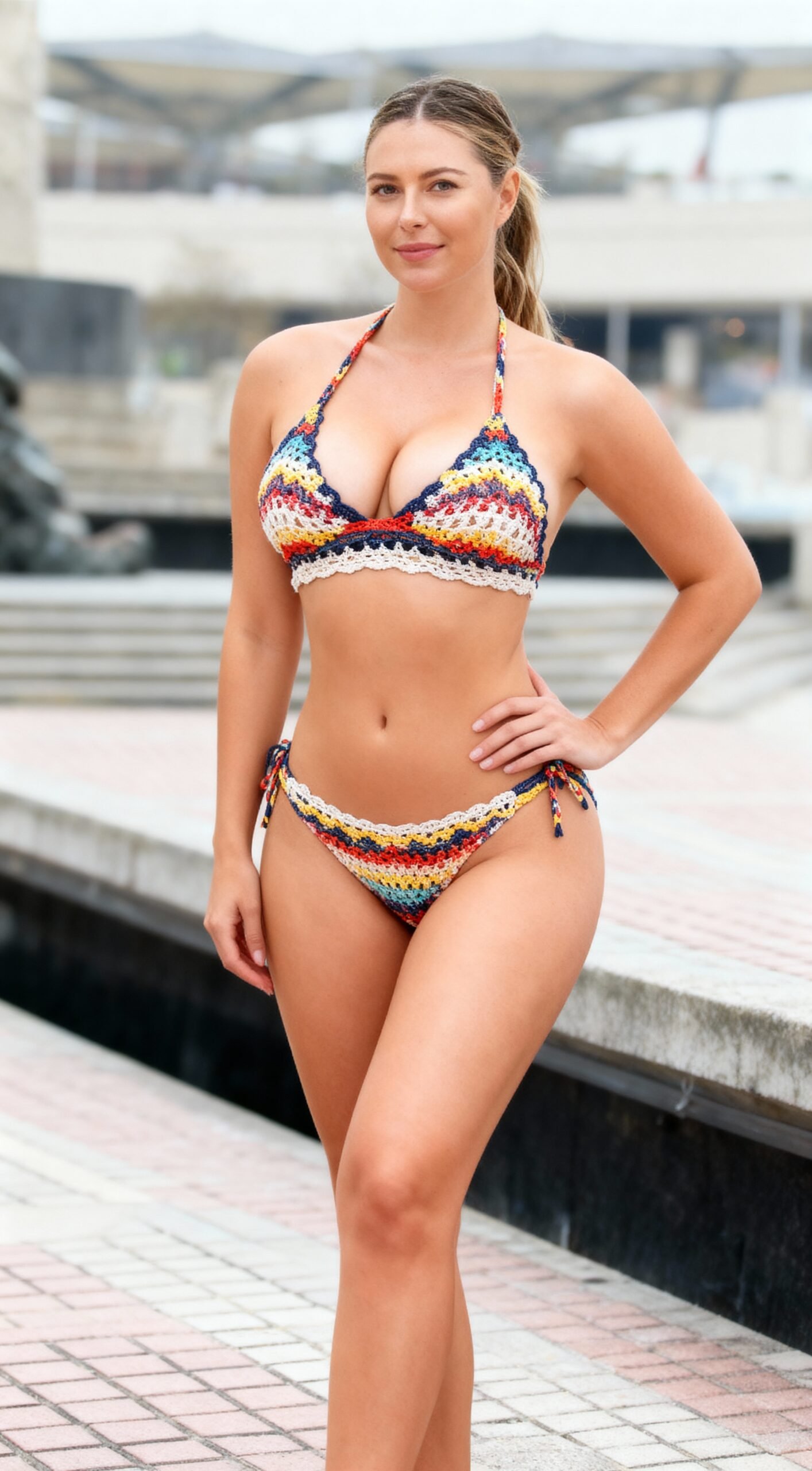 After a tough period with a serious shoulder injury that required surgery and kept her out for nearly a year, she roared back. In 2012 she won the French Open on clay, completing the career Grand Slam (winning all four majors at least once). She added her second Roland-Garros title in 2014, bringing her total to five Grand Slams. Overall, she won 36 WTA singles titles and earned more than $38.7 million in prize money—one of the highest totals ever for a female athlete.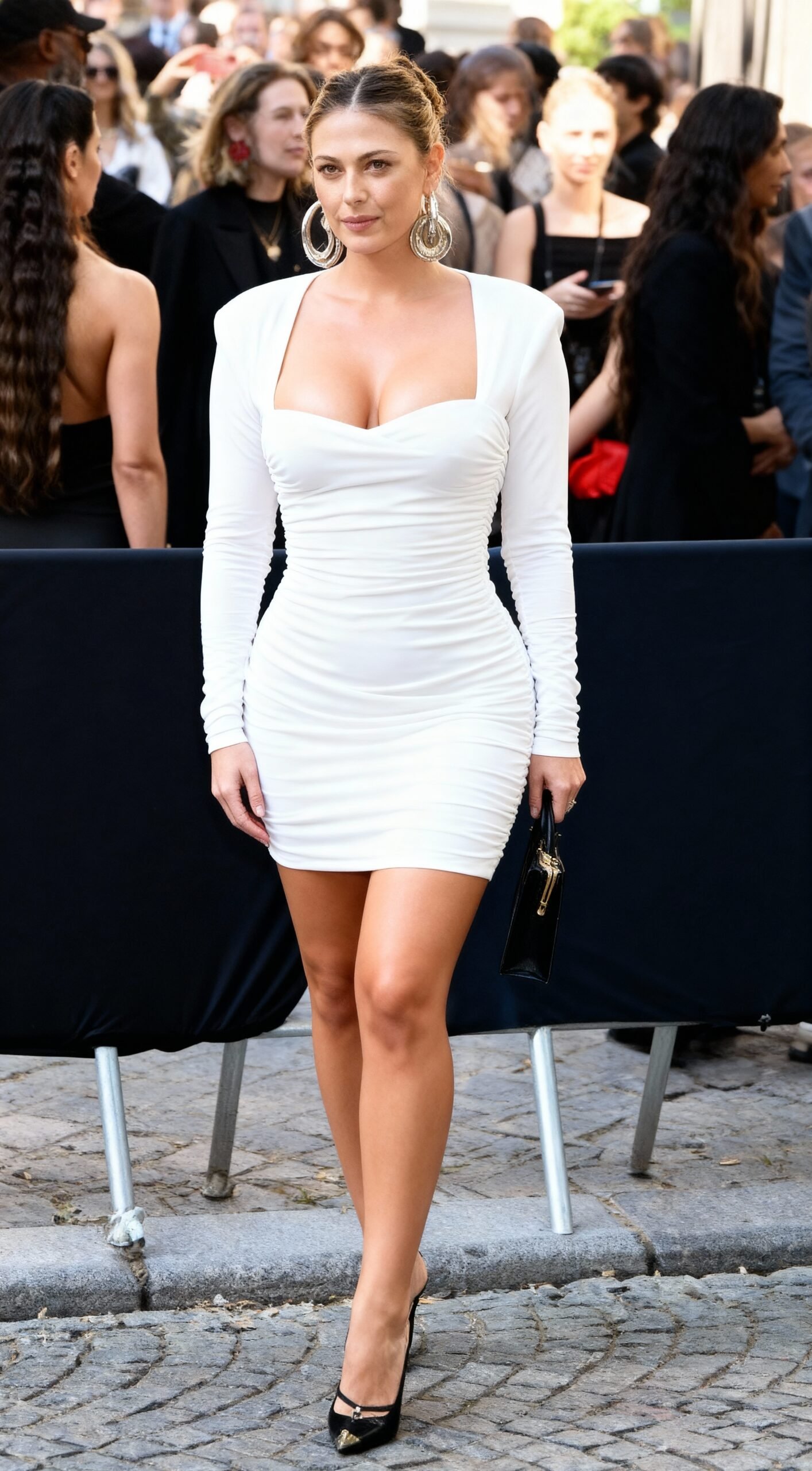
Off the court, Sharapova was a commercial powerhouse. Forbes named her the world’s highest-paid female athlete for 11 straight years. Endorsements with Nike, Porsche, Evian, TAG Heuer, and others helped her build a career earnings figure (including endorsements) estimated around $285–325 million by the time she retired.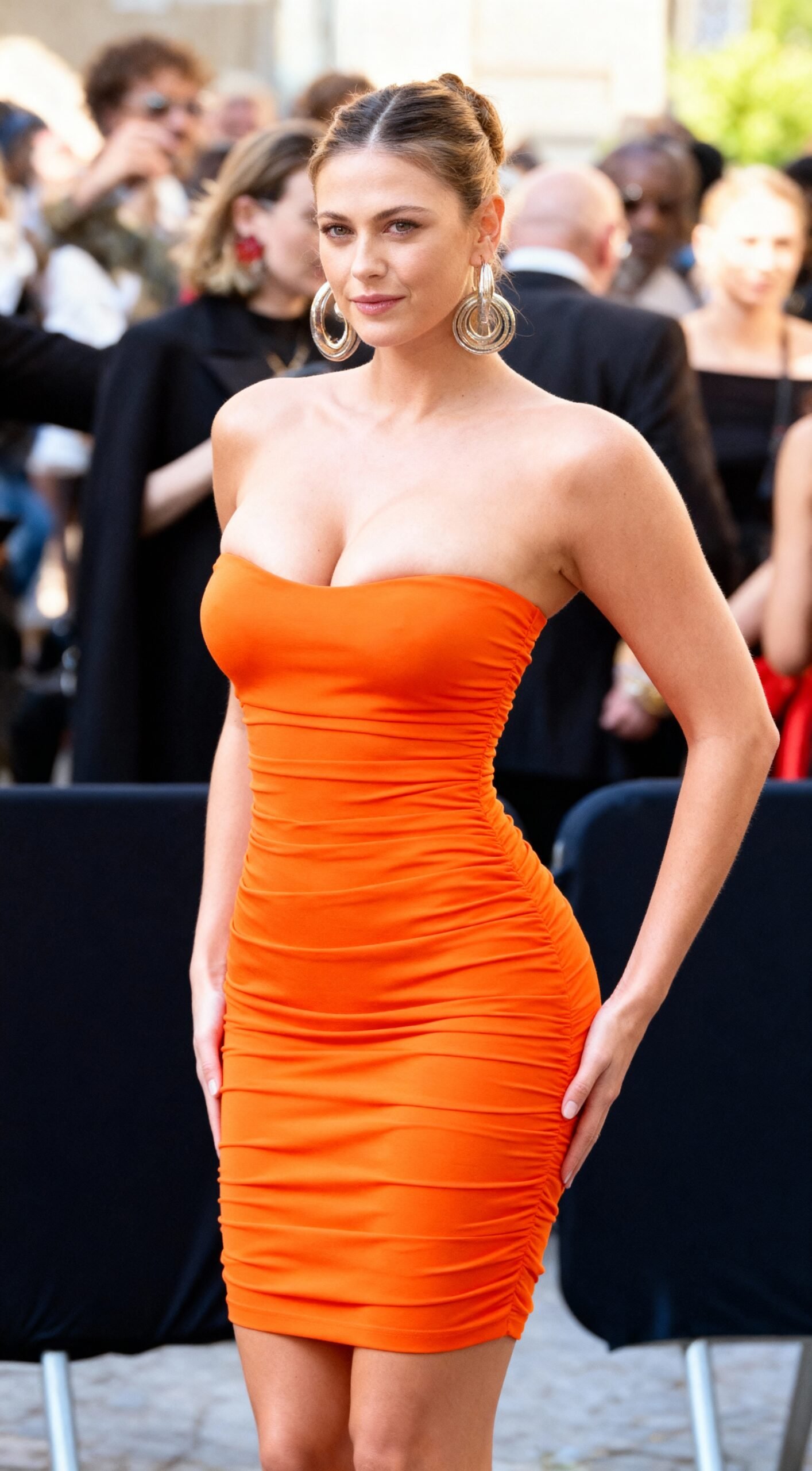
But her journey wasn’t without challenges. In 2016 she tested positive for meldonium (Mildronate), a substance that had just been added to the banned list by WADA. She explained it had been prescribed for heart issues and that she hadn’t received clear warnings about the change. After an appeal, the Court of Arbitration for Sport reduced her initial two-year ban to 15 months. She returned in 2017, won her final WTA title in Stuttgart that year, but injuries continued to limit her.  Her last match was a first-round loss at the 2020 Australian Open. On February 26, 2020, at age 32, she announced her retirement in a heartfelt essay, saying the shoulder that had plagued her for years simply wouldn’t allow her to compete at the level she demanded of herself.
Since stepping away, Maria has built a second act that’s just as impressive. She founded Sugarpova, a confectionery brand, and later sold a majority stake. She’s become an active investor and board member—serving as an independent director at luxury brand Moncler, backing wellness and fertility startups like Cofertility, and growing a venture portfolio focused on high-growth sectors. In 2018 she launched a mentorship program for women entrepreneurs, and she remains a UNDP Goodwill Ambassador supporting various causes.
In 2025 she received one of the biggest honors in tennis: induction into the International Tennis Hall of Fame. Serena Williams herself introduced her at the ceremony—a full-circle moment between two legends who defined an era. Recent interviews show her reflecting on consistency as her biggest strength, both on and off the court. She’s been spotted hitting balls for fun (first time in years), enjoying Aspen getaways in chic winter gear, and balancing life as a new mother with business and philanthropy.
Maria Sharapova’s legacy isn’t just about the trophies or the rankings. It’s about resilience—moving across the world as a child, battling injuries, facing setbacks head-on, and then reinventing herself completely after retirement. She showed that greatness doesn’t stop at the baseline. It evolves. And whether she’s competing for a Grand Slam or building the next chapter of her empire, she does it with the same intensity that made her one of tennis’s all-time greats.