

There are very few people who seem to become more interesting as the years go by. Monica Bellucci is one of them.
Born on September 30, 1964 in the small Umbrian town of Città di Castello, she grew up as an only child in a family that was neither rich nor famous. Her father worked in agriculture; her mother painted. As a teenager Monica studied law at the University of Perugia — a path that feels almost comical now given how the world knows her. But to help pay for university she started modeling, first locally, then in Milan. By the late 1980s she was already working with Dolce & Gabbana, Dior, Cartier, and walking major runways. Modeling was never her final destination — it was the bridge to acting.
Her first real screen roles came in Italian television and cinema in the early 1990s. The international breakthrough happened in 1992 when Francis Ford Coppola cast her in Bram Stoker’s Dracula. Small part, big impression.  From there she moved easily between European arthouse films and American studio projects. The early 2000s became her defining period: Malèna (2000) made her a global sensation, Irréversible (2002) showed her willingness to take risks, The Matrix Reloaded and Revolutions (2003) brought her to a massive audience, and The Passion of the Christ (2004) added another iconic layer.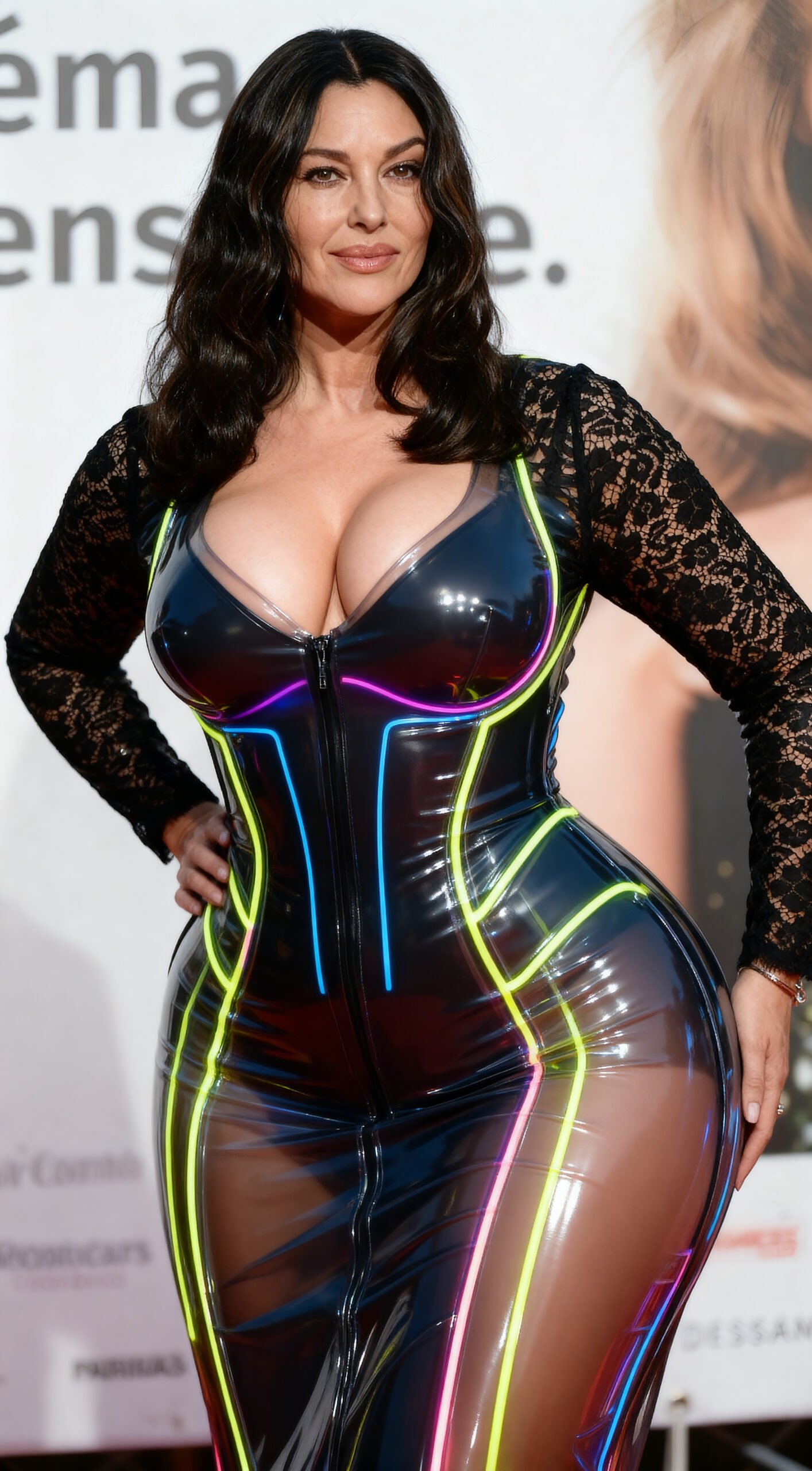
She never stayed in one register. She played a Bond woman at 50 in Spectre (2015) — the oldest actress ever cast in that franchise — and made the role feel dangerous and substantial rather than decorative.  She worked with directors as different as Paolo Sorrentino, the Wachowskis, Tim Burton (Beetlejuice Beetlejuice, 2024), and the creators of Mafia Mamma (2023). In 2021 she received a special David di Donatello award for her lifetime contribution to Italian cinema — a quiet but powerful recognition.
What makes Monica Bellucci feel so singular today isn’t only the films. It’s the way she talks about time, beauty, and aging.
She has never pretended that growing older is invisible. In interviews she says things like: “I don’t want to fight against time — I want to grow old in peace.”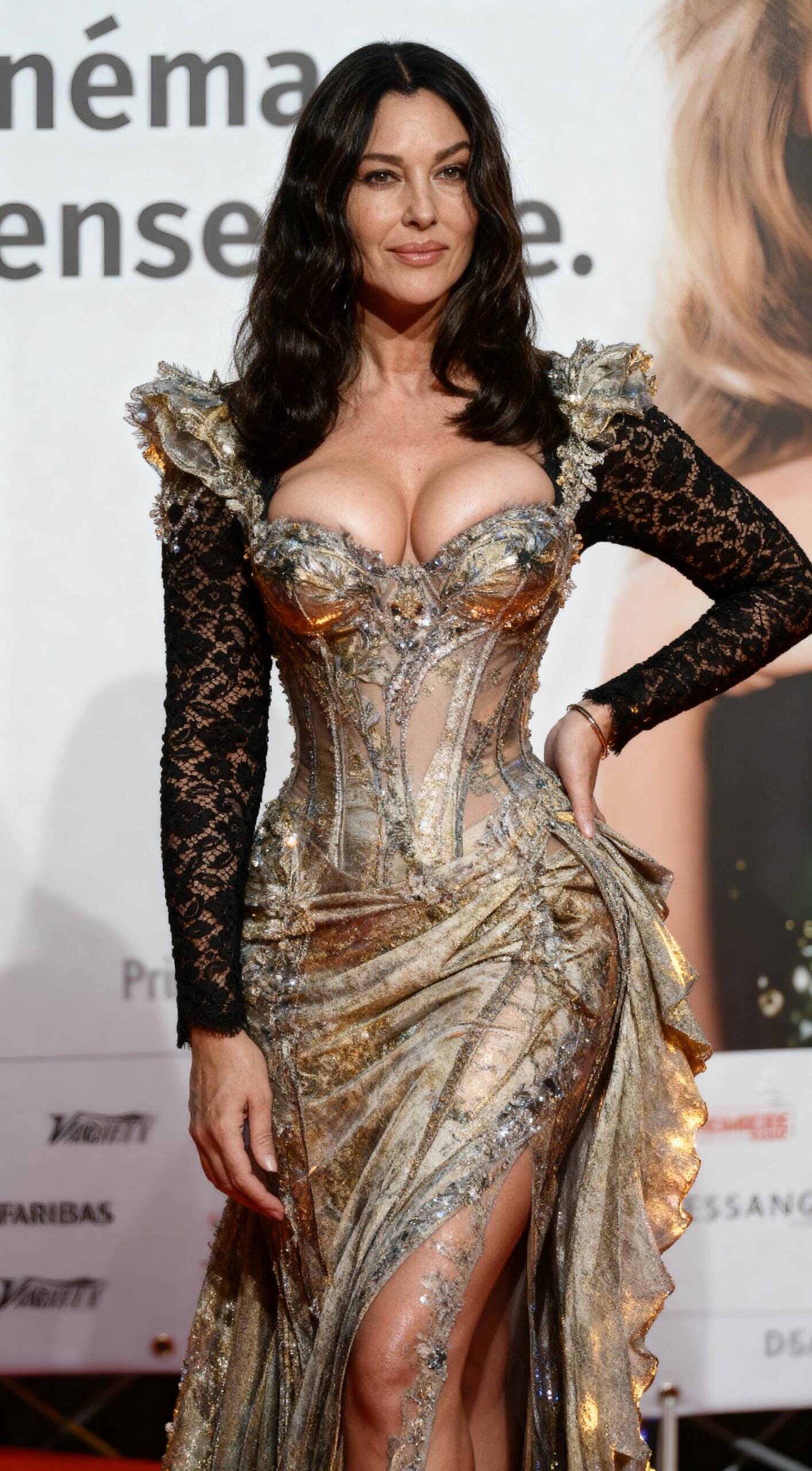 She has described wrinkles and changing features as traces of a life that has been lived, not defects to be erased. “True beauty is in the eyes, in what you have experienced,” she has said more than once. She refuses to play the game of eternal youth or endless cosmetic correction, and somehow that refusal makes her presence feel even stronger.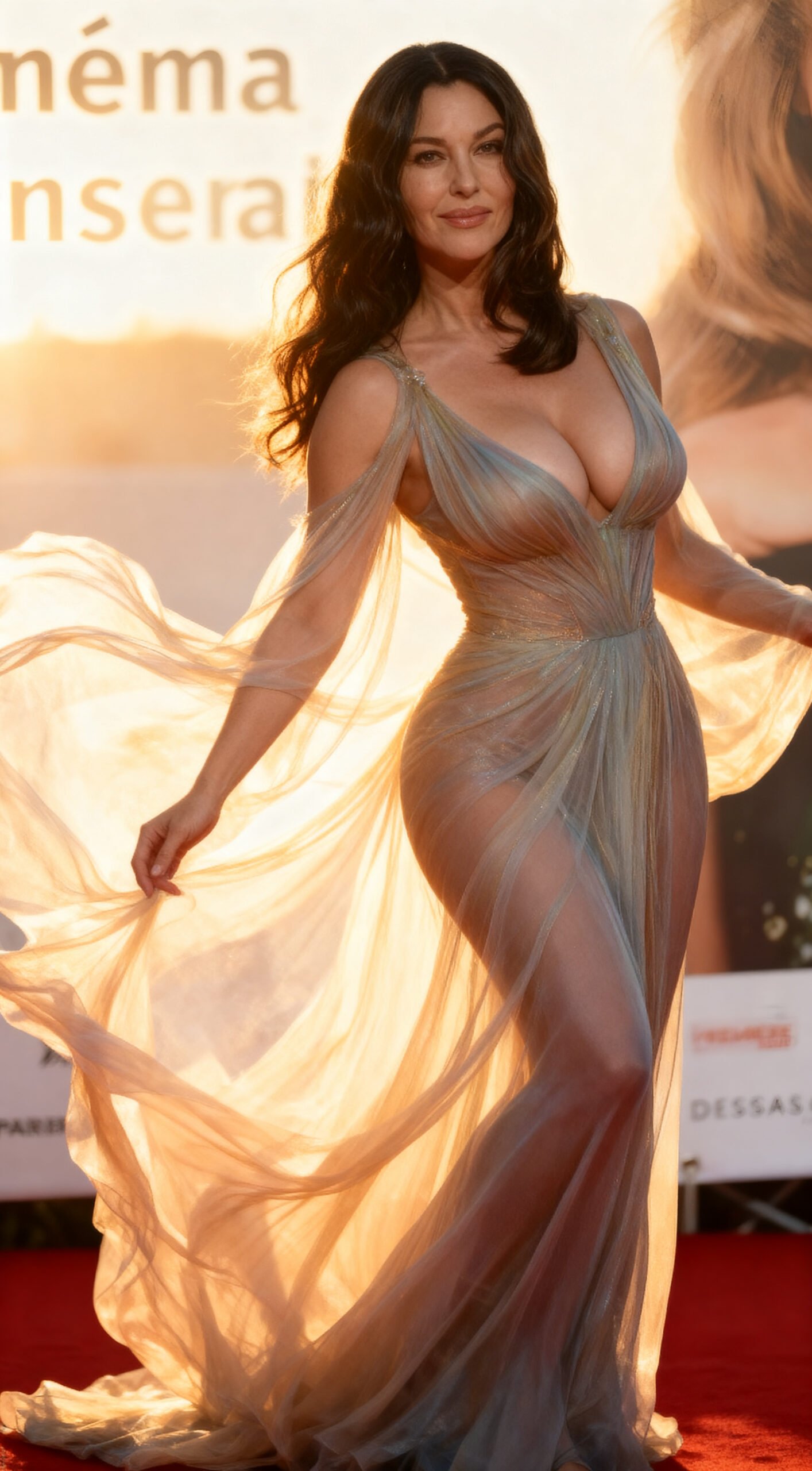
Her personal life has also shaped the way people see her. She was married to actor Vincent Cassel from 1999 to 2013; they have two daughters, Deva (born 2004) and Léonie (born 2010).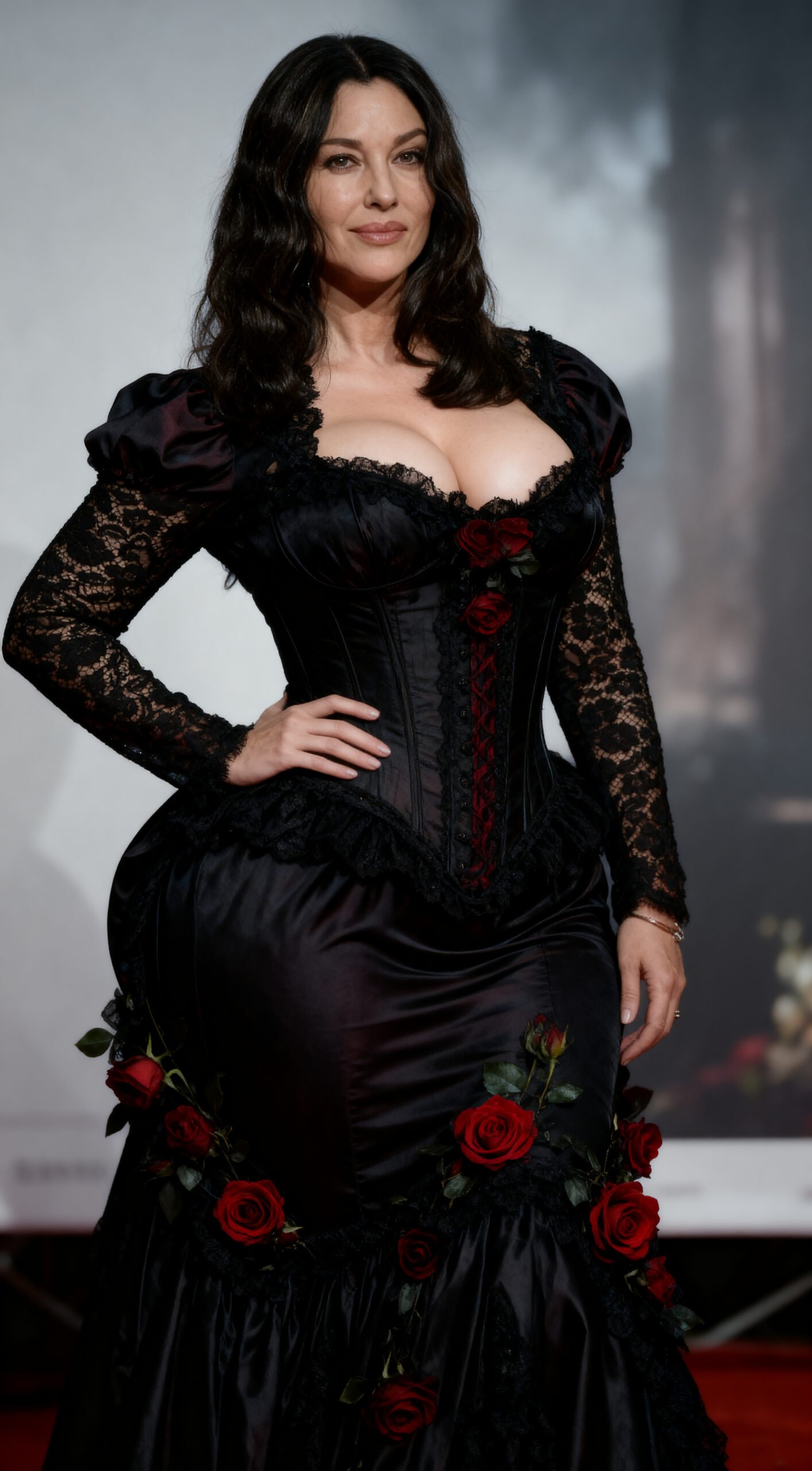 She later had a relationship with Tim Burton that ended in early 2025. Today she divides her time between Paris and Italy, stays close to her children, and keeps choosing roles that interest her artistically rather than ones that chase trends or maximum visibility.
She has never apologized for being sensual. She has never tried to make herself smaller or more “acceptable” as she aged. She has never let the industry decide when her story should end. In a world that often demands women disappear quietly after a certain age, Monica Bellucci simply keeps being present — elegant, intelligent, funny, complex, and completely at ease with the fact that time keeps moving forward.
That kind of dignity and self-possession is rare. It’s not something you can buy or fake. It comes from knowing who you are, refusing to be diminished, and letting every year add depth instead of taking anything away.
Whether she’s on a red carpet, in a director’s chair, or simply speaking in an interview, Monica Bellucci reminds us that real beauty and real power don’t expire. They evolve. And sometimes they become more magnetic with every passing year.