When people think of tennis icons who combined raw talent, relentless drive, and unmistakable star power, Maria Sharapova’s name always rises to the top. Born on April 19, 1987, in Nyagan, Siberia, Russia, she grew up in a region where winters are brutal and tennis courts were anything but common. Yet from a very young age, she displayed the kind of focus and determination that would eventually carry her to the very summit of the sport.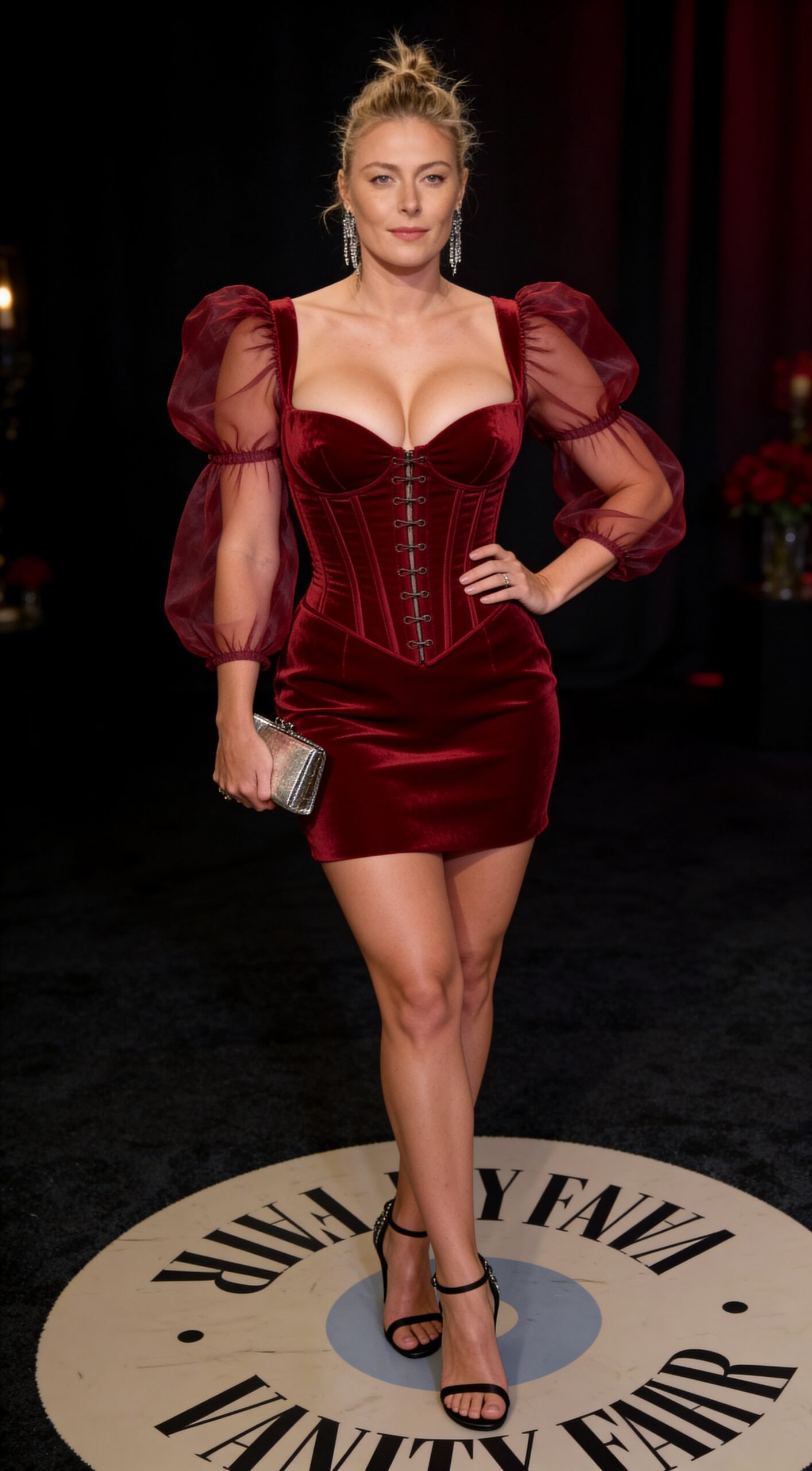
Her family moved to Sochi when she was small, and it was there, at age four, that she first picked up a racket. The turning point came in 1993 when she caught the eye of Martina Navratilova during a tennis clinic. Navratilova urged her parents to take her to the United States for proper training. At just seven years old, Maria and her father Yuri left Russia with little money, arriving in Florida to join the Nick Bollettieri Academy. Her mother stayed behind in Russia for a few years because of visa issues, so Maria spent her early training years living in a dormitory and training six to eight hours a day.
That sacrifice paid off quickly. By age 11 she was already winning junior tournaments. In 2001, at just 14, she turned professional. The tennis world first truly noticed her in 2004 at Wimbledon. As a 17-year-old qualifier, she stunned the sport by defeating defending champion Serena Williams in the final to claim the title. It was a stunning upset and made her the third-youngest Wimbledon champion in history. She became an overnight sensation—and the first Russian woman to win the tournament.
The years that followed were a whirlwind of success. Sharapova won four more Grand Slam singles titles: the 2006 U.S. Open, the 2008 Australian Open, the 2012 French Open, and the 2014 French Open again. She completed the career Grand Slam (winning all four majors at least once) at age 27, a rare feat. She also spent 21 weeks as world No. 1 and reached the top ranking five separate times in her career.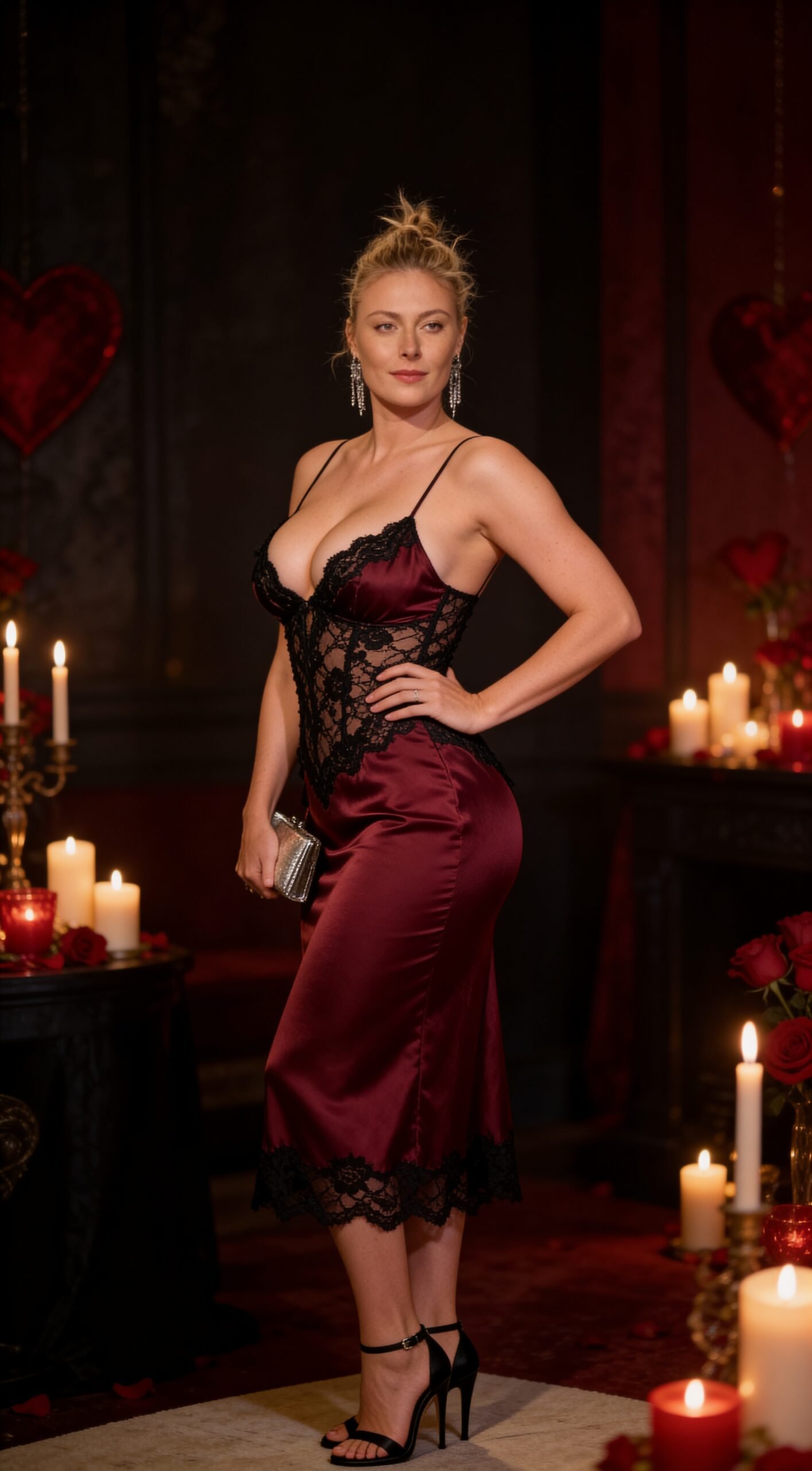
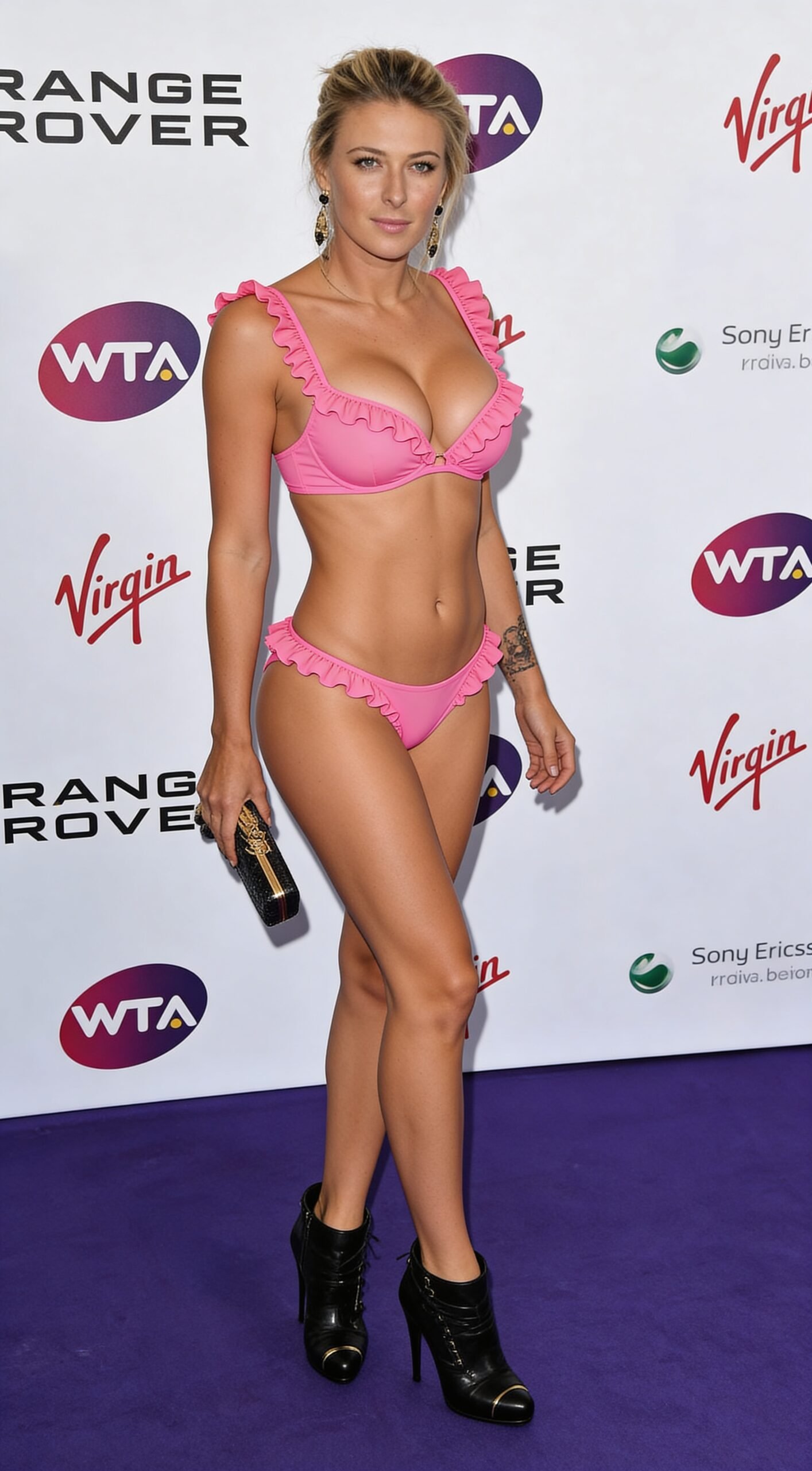
What made her stand out wasn’t just her results—it was her complete game. She had one of the most powerful serves on the women’s tour, a devastating forehand, and remarkable mental toughness. She was also incredibly athletic, covering the court with speed and grace despite her 6-foot-2 frame. Off the court, her striking looks and polished style made her a natural fit for fashion and advertising. She became the highest-earning female athlete in the world for several years, with endorsements from Nike, Porsche, Sugarpova (her own candy line), and many more.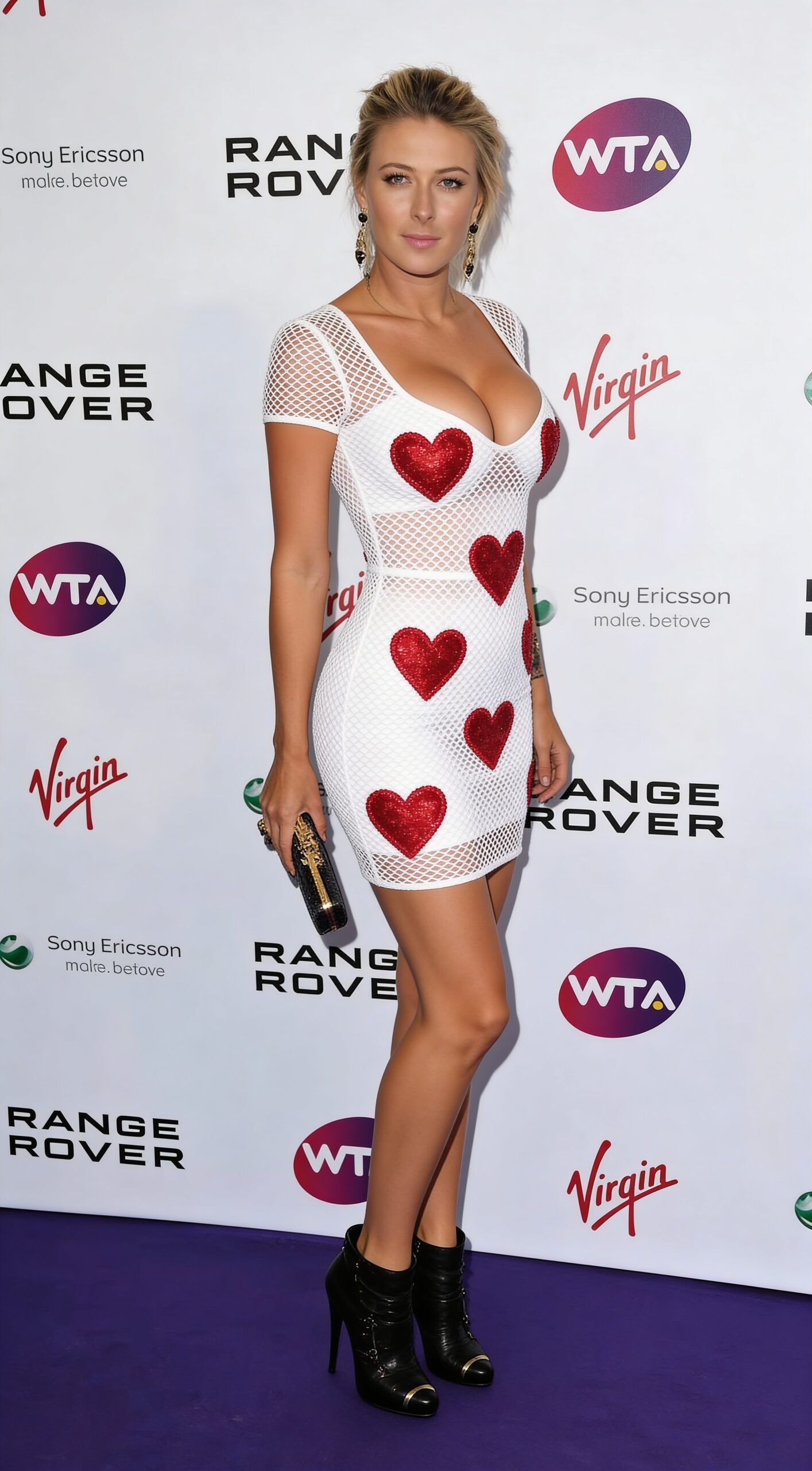
But her career wasn’t without serious challenges. In 2016 she tested positive for meldonium, a substance that had recently been banned by the World Anti-Doping Agency. She was suspended for 15 months after an investigation found that she had not intentionally cheated but had failed to notice the drug had been added to the prohibited list. The suspension was a major blow, and she missed the 2016 Rio Olympics and much of the 2016 and 2017 seasons. She returned in 2017 and reached the quarterfinals of the 2018 U.S. Open, but persistent shoulder injuries began to take their toll.
In February 2020, at age 32, Maria announced her retirement. She had undergone multiple shoulder surgeries and simply couldn’t regain the level she needed to compete at the top. In her farewell letter she wrote, “Tennis showed me the world and shaped who I am… It gave me a life I never imagined.” The announcement came with genuine respect from peers and fans alike.
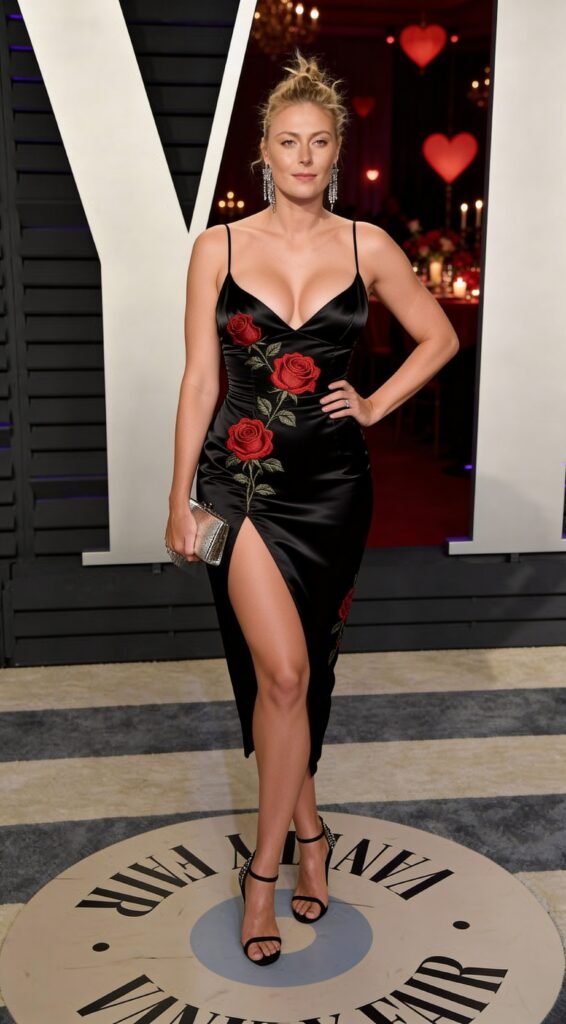
Since retiring, Sharapova has stayed busy and visible. She launched a successful venture-capital firm called “Supernova,” which invests in female-founded companies. She has appeared on the covers of major magazines, served as a guest judge on MasterChef Australia, and worked as an ambassador for various brands. In 2022 she married British businessman Alexander Gilkes, and in 2024 the couple welcomed their first child. She also remains active on social media, where her posts about fitness, fashion, and family life continue to draw millions of followers.
Sharapova’s legacy in tennis goes far beyond titles. She helped bring the women’s game to a new global audience, especially in Russia and Eastern Europe. She showed that you could be a fierce competitor and still embrace glamour and business opportunities. She also proved that coming back from major setbacks—whether injuries or a doping suspension—is possible with determination and resilience.
Today, at 38, Maria Sharapova looks back on a career that included five Grand Slam titles, an Olympic silver medal (2012), 36 WTA singles titles, and more than $38 million in prize money (plus hundreds of millions from endorsements). She remains one of the most recognizable and respected figures in sports history, a testament to the power of talent, hard work, and the ability to reinvent yourself long after the final ball is struck.