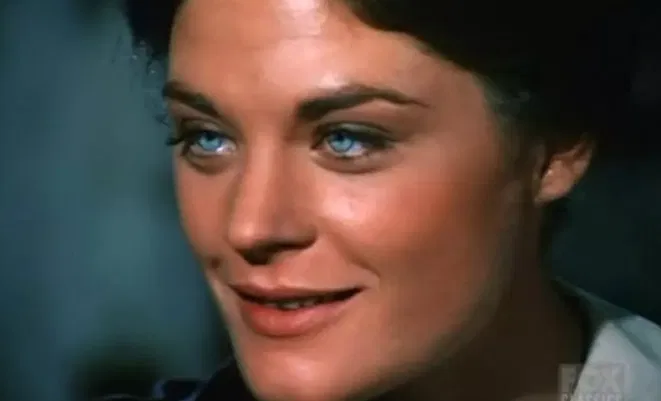
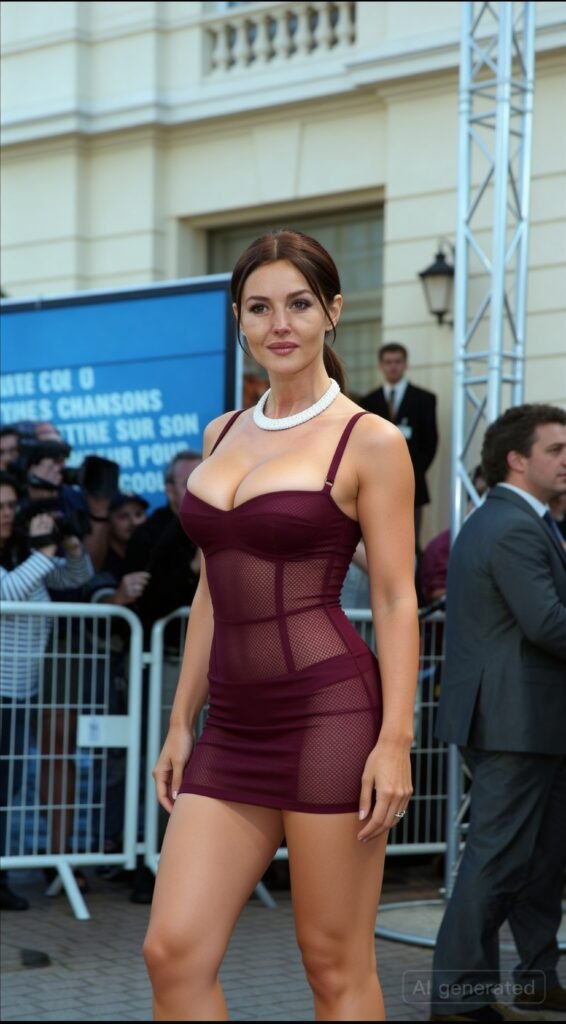
There are very few names in film and fashion that carry the same kind of quiet gravity and enduring fascination as Monica Bellucci. At 61 she remains one of the most photographed, most discussed, and most respected women in international cinema — not because she chases relevance, but because she has never stopped being herself: sensual, intelligent, fearless, and completely at ease with time passing.
She was born Monica Anna Maria Bellucci on September 30, 1964 in Città di Castello, a small hill town in Umbria, central Italy. Her father ran a transport company; her mother was a painter. It was a modest, traditional upbringing far removed from the red carpets she would later dominate. As a teenager she began modeling locally — first to pay for books, then because people kept asking her to. She enrolled in law at the University of Perugia but quickly realized the courtroom was not where her future lay.
In 1988 she moved to Milan and signed with Elite Model Management. Within a short time she was working for Dolce & Gabbana, Dior, Cartier, and appearing on covers across Europe. She was never just another face in the campaigns; there was always something — a look, a stillness, a hint of mystery — that made the photographs linger.
Even while modeling at the highest level she felt drawn to acting. She wanted roles that allowed her to go deeper than beauty. Her first steps were small: Italian television, minor film parts. Then came L’Appartement (1996), a French psychological drama that earned her a César nomination for Most Promising Actress and opened doors across borders.
The early 2000s were explosive. In 2000 she played the title role in Giuseppe Tornatore’s Malèna — a young widow in wartime Sicily whose beauty becomes both a blessing and a source of cruelty from the townspeople. The film was sensual, heartbreaking, and controversial; it turned her into an international star. That same year she appeared opposite Gene Hackman in Under Suspicion, proving she could hold space in English-language thrillers.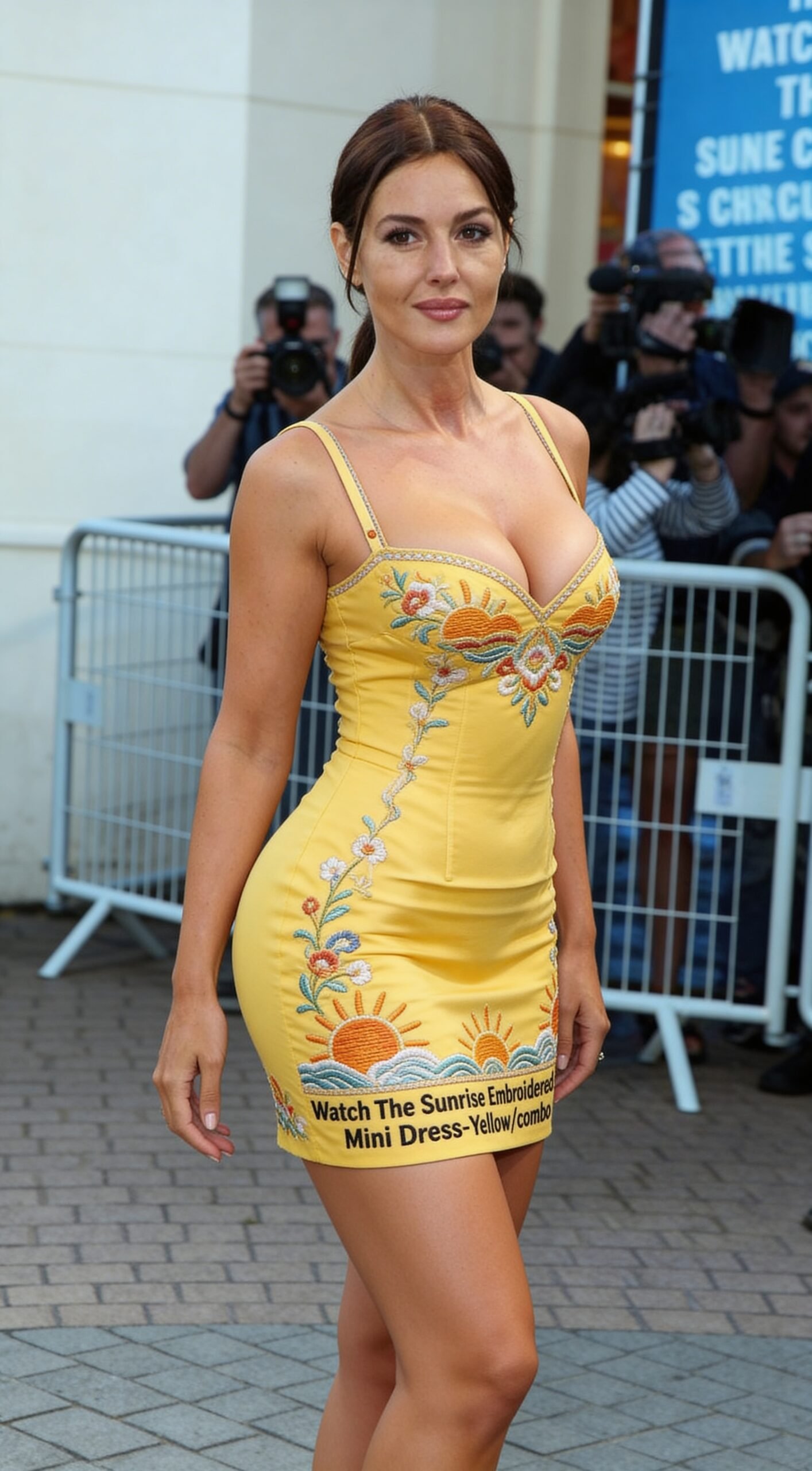
She quickly showed she had range. She played a vampire in the stylish Brotherhood of the Wolf (2001), Cleopatra in the comic Asterix & Obelix: Mission Cleopatra (2002), and the devastating Alex in Gaspar Noé’s Irréversible (2002) — a performance that remains one of the most talked-about and emotionally brutal in modern cinema. In 2004 she portrayed Mary Magdalene in Mel Gibson’s The Passion of the Christ, bringing a quiet dignity to a role that could easily have been overshadowed.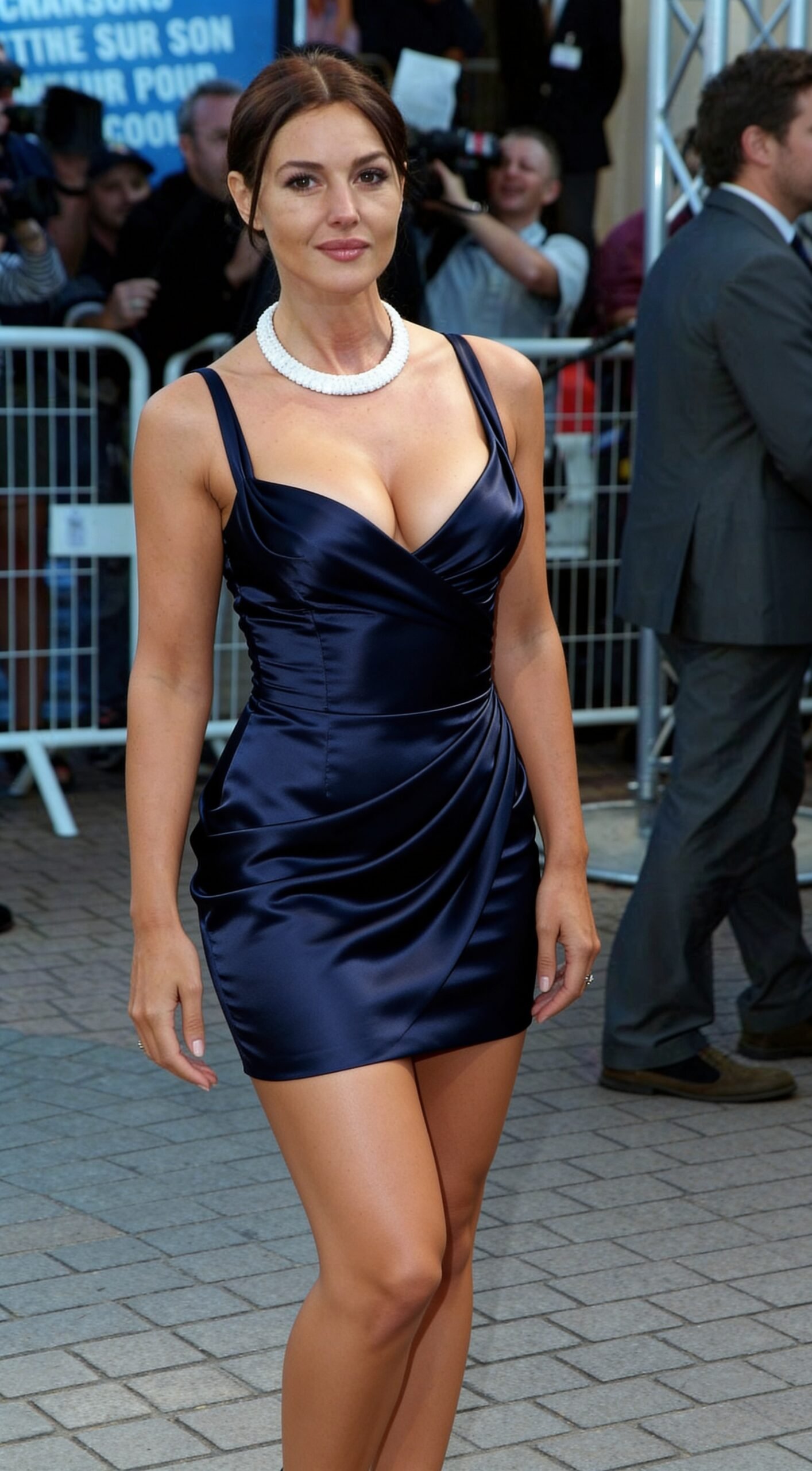
Hollywood came calling more insistently. She joined the Matrix sequels (Reloaded and Revolutions, 2003) as Persephone — seductive, dangerous, and instantly memorable. Fifteen years later, at age 50, she became the oldest woman to play a Bond girl in Spectre (2015). Lucia Sciarra was not a throwaway role; she was sophisticated, lethal, and completely believable — a reminder that age can deepen screen presence rather than diminish it.
Bellucci has never confined herself to one language or one genre. She has worked steadily in French cinema (The Last Mistress, How Much Do You Love Me?), Italian films (The Wonders, On the Milky Road), independent dramas (The Man Who Sold His Skin), and popular television (Mozart in the Jungle, Call My Agent!). In 2019 she took on a new challenge: the stage. She played Maria Callas in the one-woman play Letters and Memoirs, earning strong praise for her vocal control, emotional depth, and stamina.
Her personal life has always attracted attention. She was married to French actor Vincent Cassel from 1999 to 2013; they have two daughters, Deva (born 2004) and Léonie (born 2010). Deva has begun working in modeling and acting herself. Bellucci has spoken openly about motherhood, the pressure of beauty standards, and the way society treats women as they age. She has never pretended that getting older is easy — but she has also never apologized for it.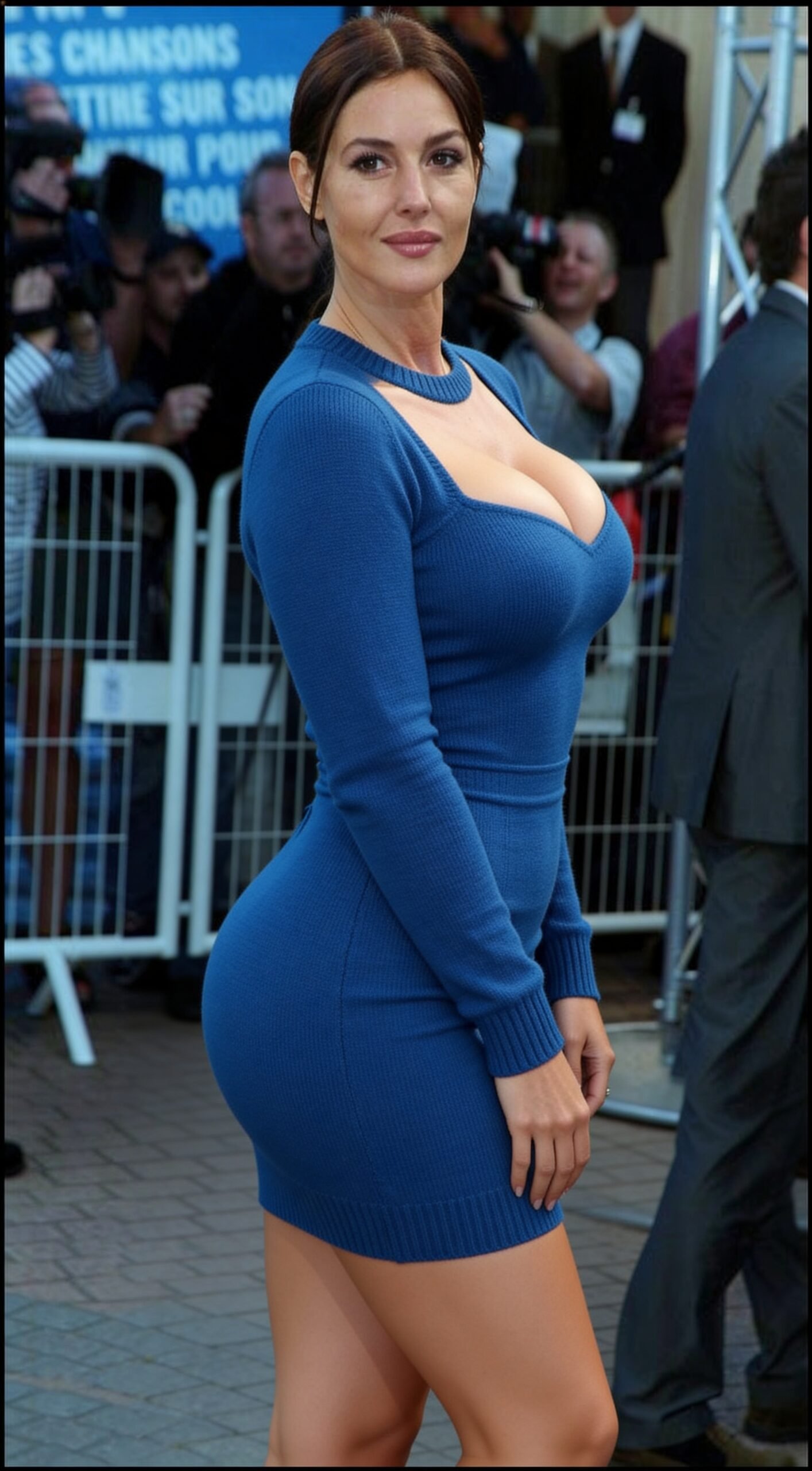
In recent years she appeared in Tim Burton’s Beetlejuice Beetlejuice (2024), bringing her signature elegance to a wild, eccentric world. She continues to work in European cinema and has been announced as a member of the jury for the 2026 Cannes Film Festival, another recognition of her standing in world cinema.
What keeps Monica Bellucci so compelling after more than thirty years? It is not only her beauty (though it remains extraordinary). It is the way she chooses roles that are complicated, flawed, sensual, and human. It is her refusal to be reduced to a single image or era. It is the fact that she speaks fluent Italian, French, and English, moves comfortably between arthouse and mainstream, and has never stopped taking risks — whether on screen, on stage, or in how she chooses to live publicly.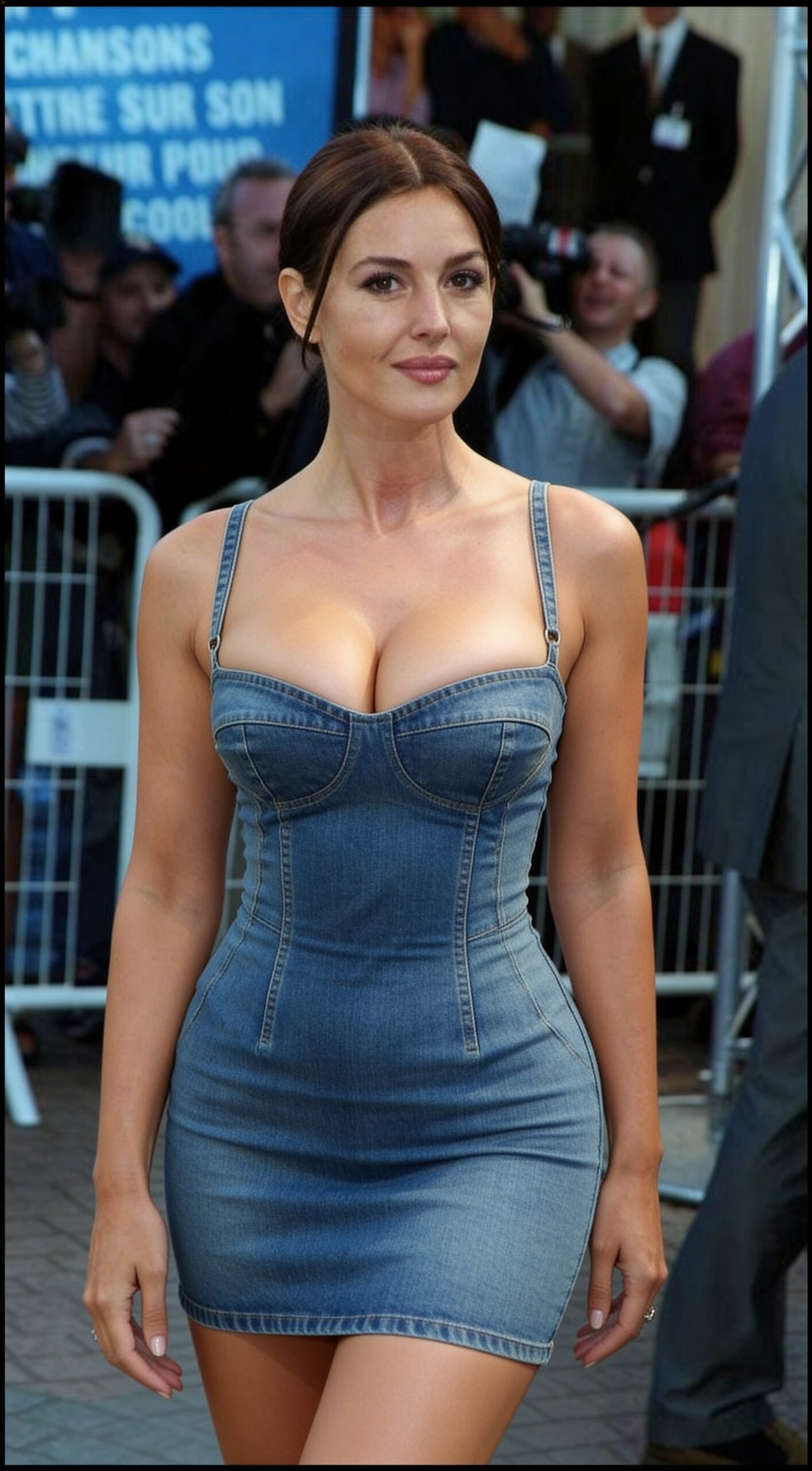
In an industry that often discards women after a certain age, she has done the opposite: she has become more necessary with time. She carries the same calm authority today that she did in her twenties, only now it is enriched by experience, perspective, and zero pretense.
Monica Bellucci is not trying to stop time. She is moving through it — gracefully, intelligently, and on her own terms — and somehow making the rest of us want to watch every step.