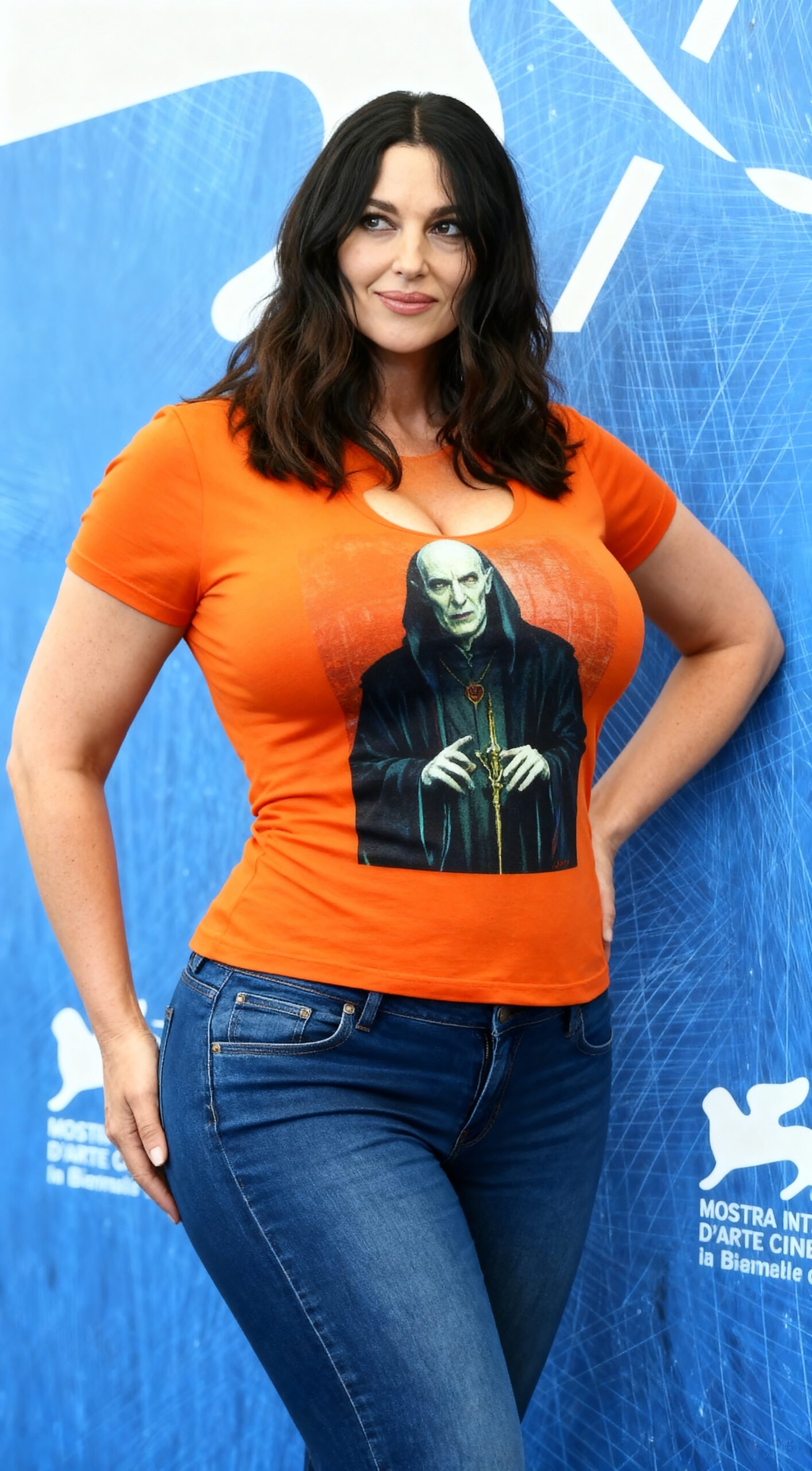

In an industry that often measures worth by youth, Monica Bellucci has quietly rewritten the rules. At 61 she continues to command attention—not through desperate attempts to freeze time, but by embracing every year with the same magnetic poise that first turned heads decades ago. She is the rare figure who makes aging look like an elevation rather than a decline: sensual, wise, fiercely intelligent, and completely at peace with the passage of time.
Monica Anna Maria Bellucci was born on September 30, 1964, in the small Umbrian town of Città di Castello, Italy. The only child of a truck-company owner father and a painter mother, she grew up in a modest, traditional setting far from the glamour she would later embody. As a teenager she began modeling locally—initially to help pay for her studies in law at the University of Perugia. The side job quickly overshadowed the lectures, and by 1988 she had moved to Milan, signing with Elite Model Management.
Milan’s fashion scene embraced her immediately. With her dark hair, expressive eyes, and effortless sensuality, she became a favorite for Dolce & Gabbana, Dior, Cartier, and countless international covers. Yet even at the peak of her modeling success, Bellucci felt a deeper pull toward acting. She wanted characters with layers, contradictions, and emotional weight—roles that demanded more than surface allure.
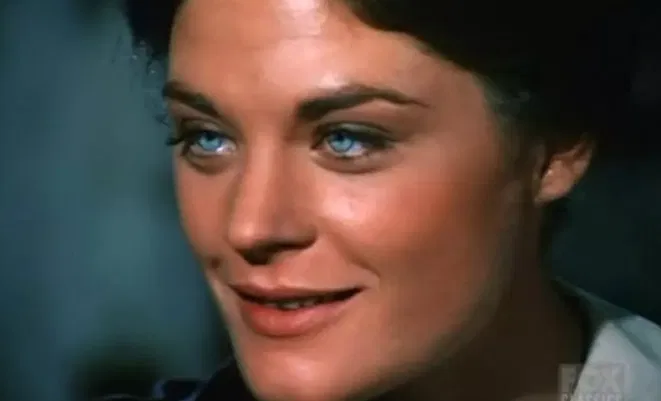
Her early film steps were modest: Italian television and small parts. The breakthrough came in 1996 with Gilles Mimouni’s French thriller L’Appartement, which earned her a César nomination for Most Promising Actress and opened international doors. The real explosion arrived in 2000: Giuseppe Tornatore’s Malèna, where she played the title character—a beautiful young widow in wartime Sicily whose appearance becomes both a gift and a curse. The film was sensual, poignant, and controversial; it made her a global sensation. That same year she held her own opposite Gene Hackman in the thriller Under Suspicion.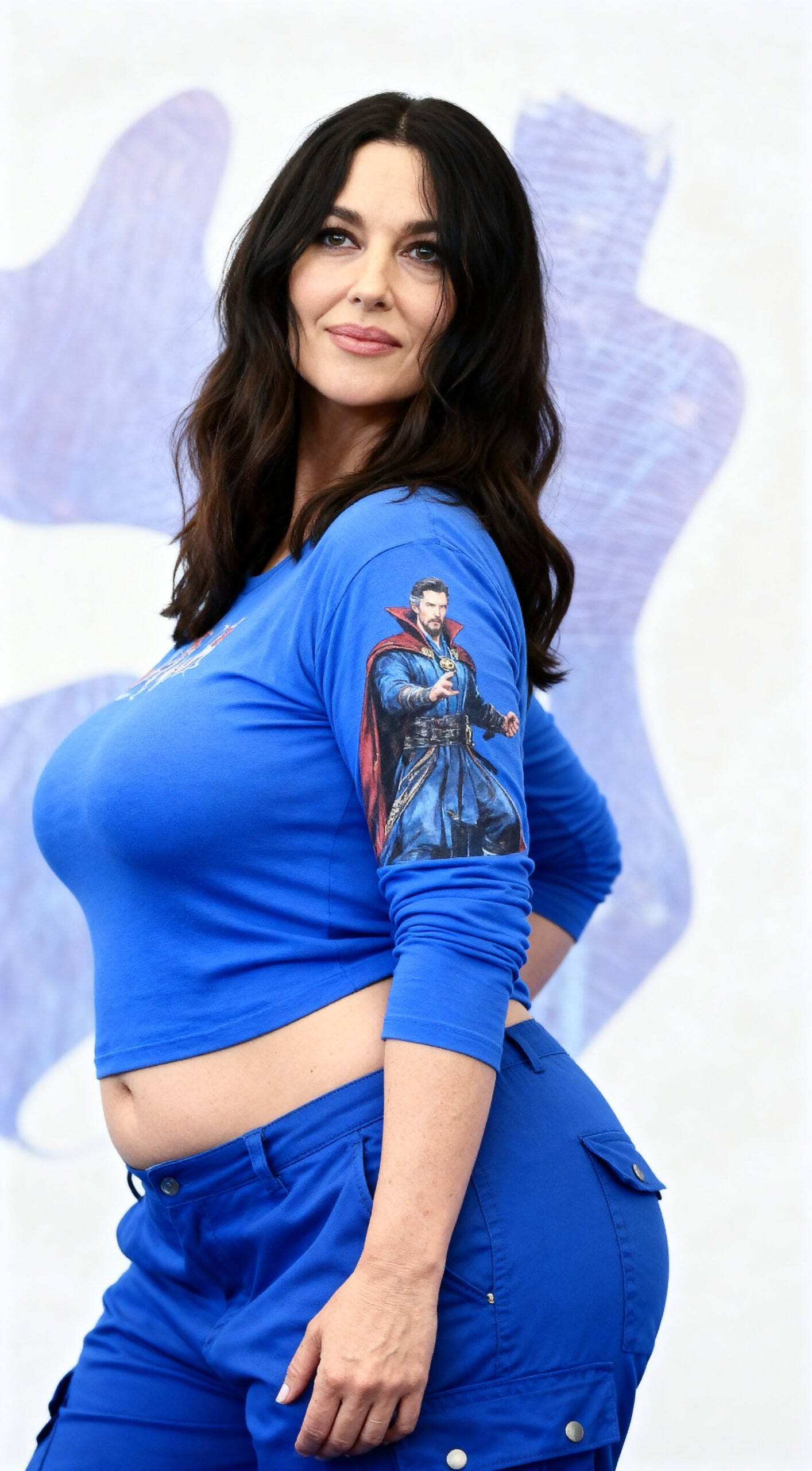
The 2000s showcased her range. She appeared as a seductive vampire in Brotherhood of the Wolf (2001), brought comic flair to Cleopatra in Asterix & Obelix: Mission Cleopatra (2002), delivered a raw, unforgettable performance in Gaspar Noé’s Irréversible (2002), and portrayed Mary Magdalene with quiet dignity in Mel Gibson’s The Passion of the Christ (2004). She joined the Matrix sequels (Reloaded and Revolutions, 2003) as the enigmatic Persephone—cool, dangerous, and instantly iconic.
Bellucci has always moved fluidly between languages and styles. She has starred in French cinema (How Much Do You Love Me?, The Last Mistress), Italian productions (The Wonders, On the Milky Road), and independent dramas (The Man Who Sold His Skin). In 2015 she made history in Spectre, becoming—at 50—the oldest actress to play a Bond girl (Lucia Sciarra). The role was not a novelty; it was sophisticated, lethal, and entirely credible.
In 2019 she stepped onto the stage for the first time, portraying Maria Callas in the one-woman show Letters and Memoirs. Critics praised her vocal precision, emotional intensity, and commanding presence. More recently she brought her signature elegance to Tim Burton’s Beetlejuice Beetlejuice (2024), playing the vengeful bride Delores in a role that blended dark humor with gothic allure.
Her personal life has drawn its own spotlight. She was married to French actor Vincent Cassel from 1999 to 2013; they share two daughters, Deva (born 2004) and Léonie (born 2010). Deva has begun her own path in modeling and acting, continuing the family presence in the industry. Bellucci has spoken candidly about motherhood, the pressures of beauty standards, and society’s discomfort with women aging publicly. She has never hidden that time leaves marks—she simply refuses to apologize for them.
After a relationship with director Tim Burton (2022–2025), she entered 2026 single, focusing on European cinema, fashion collaborations (longtime muse for Dolce & Gabbana and Cartier), and family. She has been confirmed as a jury member for the 2026 Cannes Film Festival, another affirmation of her stature in global cinema, and continues working on independent Italian projects.
What makes Monica Bellucci endure is not merely her beauty—though it remains striking. It is her fearless choices: playing complex, sensual, flawed women; moving between arthouse intimacy and mainstream spectacle; speaking Italian, French, and English with equal fluency; refusing to be defined by one era or one image. While many actresses face diminishing roles after 40, Bellucci has grown more essential with time—proof that real presence deepens rather than fades.
She is not defying age. She is moving through it with intelligence, sensuality, and zero pretense. In doing so, she reminds the world that elegance is not a number on a birth certificate—it is a way of being, fully and unapologetically, at every stage of life.