

Let’s cut the nonsense right away: there is no magic exercise, pill, tea, wrap, or “belly-fat-only” diet that melts fat from your waist while leaving the rest of you untouched. Spot reduction has been debunked for decades (2024–2025 meta-analyses still confirm it: you can’t choose where fat comes off). Belly fat disappears the same way all fat disappears — total-body energy deficit + time + consistency — but some strategies make the midsection shrink faster and look flatter sooner.
Here’s what the evidence (and real-life results) actually show in 2025–2026.
1. Create a moderate, sustainable calorie deficit (the only non-negotiable)
Fat loss = calories in < calories out. Most sustainable rate: 0.5–1% body weight per week (0.4–0.9 kg for most adults). Faster than that usually means more muscle loss, more hunger, more rebound.
Practical ways:
- Track intake for 1–2 weeks to find your current average (apps like MyFitnessPal or Cronometer).
- Subtract 300–500 kcal/day from that average → start there.
- Reassess every 3–4 weeks: if weight stalls for 3+ weeks → drop another 150–200 kcal or add movement.

2. Keep protein high (1.6–2.2 g per kg body weight)
High protein is the single biggest lever for preserving muscle while losing fat — especially around the waist (2023–2025 reviews show higher-protein diets lead to better waist-circumference reduction vs. lower-protein isocaloric diets).
Easy targets:
- 100–160 g/day for most women 55–75 kg
- 120–200 g/day for most men 75–95 kg Sources: eggs, Greek yogurt, cottage cheese, chicken, turkey, fish, lentils, beans, tofu, lean beef, protein powder/shakes.

Breakfast without protein is a missed opportunity — eggs + veggies or a shake beats cereal/coffee every time.
3. Strength train 3× per week (don’t skip this)
Resistance training preserves muscle mass during a deficit → higher metabolism → easier long-term fat loss. It also improves insulin sensitivity (huge for abdominal fat storage).
Realistic full-body routine (3× week, 35–45 min):
- Squats / goblet squats: 3 × 10–15
- Push-ups or dumbbell bench: 3 × 8–15
- Rows (dumbbell, inverted, cable): 3 × 10–15
- Deadlift variation or hip thrust: 3 × 8–12
- Plank or hanging leg raise: 3 × 20–60 sec

Progressive overload: add reps, slow tempo, or weight every 2–4 weeks.
4. Add moderate cardio (walking is usually enough)
150–300 min/week moderate aerobic activity (brisk walking is king) improves fat oxidation, insulin sensitivity, and creates extra calorie burn without crushing recovery.
Practical: 35–50 min brisk walk 5–6 days/week (or 8–12k steps total). Do it after dinner — kills cravings, improves sleep, adds up fast.
5. Sleep & stress management matter more than most people admit
Poor sleep (<6–7 h) and chronic stress raise cortisol → more abdominal fat storage even at the same calories. Aim for 7–9 h quality sleep. Simple fixes: no screens 60 min before bed, consistent bedtime, cool/dark room, limit caffeine after 2 p.m.
6. Realistic Expectations (No BS)
- Weeks 1–4: feel less bloated, clothes fit slightly better, scale may not move much
- Months 2–4: waist starts shrinking noticeably (1–3 cm/month average), strength up, energy better

- Months 6–12: 5–12 kg total fat loss common (more if starting higher), visible midsection change if consistent
- Year 2+: habits are automatic, body recomposition continues slowly

Belly fat is often the last to go (especially in men — genetics). Stay patient. Consistency over years beats crash diets every time.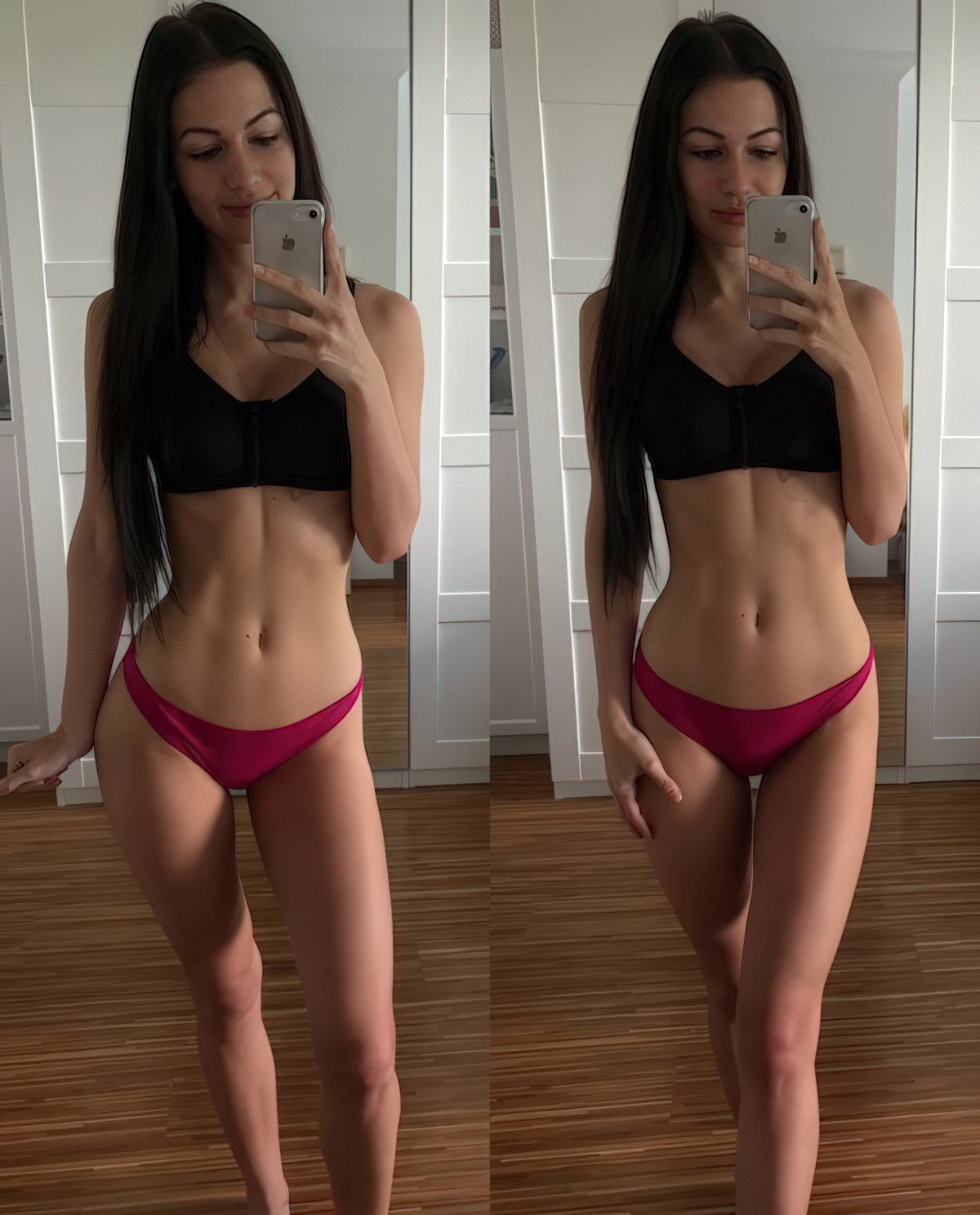
One-Week Starter Plan (Pick & Tweak)
- Breakfast: high-protein (eggs + veggies or Greek yogurt + berries + protein shake)
- Lunch & dinner: palm-sized protein + big pile of vegetables + moderate carb (rice/potato/quinoa) + healthy fat (olive oil/avocado/nuts)

- Snacks: Greek yogurt, cottage cheese, boiled eggs, protein shake, handful nuts
- Walk 30–40 min 5–6 days
- Strength train 2–3× (even 20–30 min)
- Sleep 7–9 h
- Water: pale yellow urine most of the day

No perfection required. Just start. Adjust as you go. Track waist measurement every 2–4 weeks (more reliable than scale for belly fat).
What’s one small, realistic change you could make tomorrow (extra protein at breakfast, one walk, one strength session) that future-you would quietly thank you for?