Some performers become famous for being larger than life. Scarlett Johansson became famous for being exactly the right size — human, grounded, fiercely talented — and somehow making that feel revolutionary.
Born on November 22, 1984, in New York City, she grew up in a creative, working-class family in Manhattan. Her father was an architect of Danish descent; her mother was a producer of Ashkenazi Jewish heritage. Scarlett has an older brother and sister, and a twin brother. She started acting very young — by age eight she was already on stage in off-Broadway plays and landing small film roles.
Her first major breakout came at 13 in The Horse Whisperer (1998), directed by Robert Redford. Playing a traumatized girl opposite Redford, she showed an emotional depth and quiet intensity that made people take notice. From there she moved between indie dramas and bigger films: Ghost World (2001) — her first truly iconic role as the sarcastic, alienated Enid — and Lost in Translation (2003), where her subtle, understated performance opposite Bill Murray earned her a BAFTA and a reputation as one of the most promising young actresses of her generation.
The 2010s turned her into a global superstar. She joined the Marvel Cinematic Universe as Natasha Romanoff / Black Widow in Iron Man 2 (2010) and appeared in seven more MCU films, culminating in her standalone film Black Widow (2021). The role gave her massive visibility — and massive paydays — but she never let it define her completely. Between Marvel projects she chose a wide range of work:
- Dramatic roles (Girl with a Pearl Earring 2003, Match Point 2005, Vicky Cristina Barcelona 2008, Marriage Story 2019 — Oscar nomination)
- Voice work (Her 2013 — Oscar-nominated performance as the AI voice, Sing films)
- Producing (Black Widow, Asteroid City 2023)
- Smaller indies and arthouse projects
She’s never shied away from complex, flawed, or sexually charged characters — the kind that make people uncomfortable in the best way. That refusal to play it safe has kept her interesting.
Off-screen she’s been refreshingly open about real life. She’s spoken candidly about divorce (from Ryan Reynolds 2011, from Romain Dauriac 2017), single motherhood (daughter Rose born 2014), co-parenting, fertility struggles, and the pressure women face in Hollywood as they age. She’s also been vocal about pay equity (her 2019 pay-disparity battle with Disney became a landmark moment), body image, and the double standards female actors face. She’s funny, self-deprecating, and never pretends everything is perfect — which makes her feel like someone you could actually know.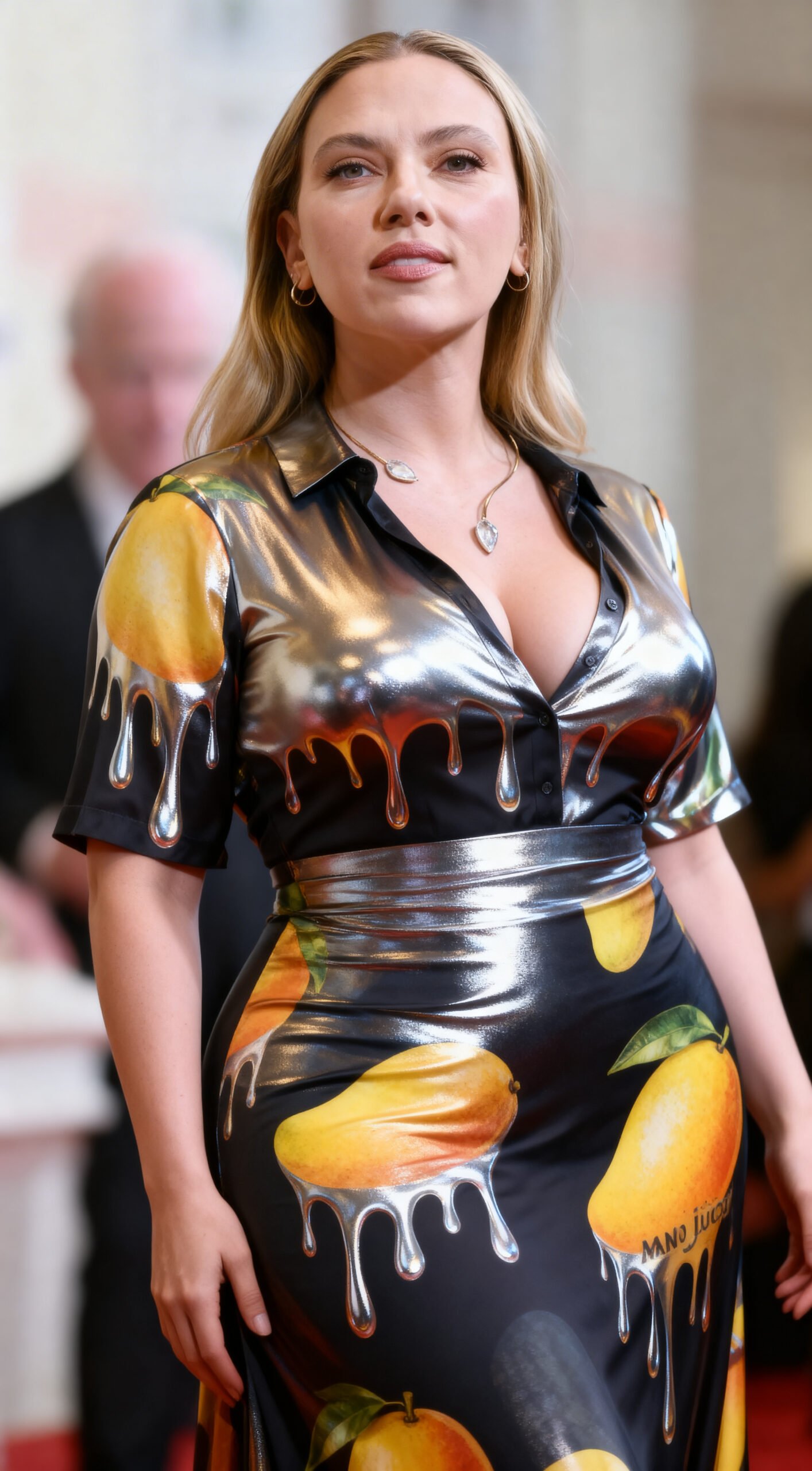
She’s also built a business and producing career: her own production company (These Pictures), beauty endorsements (The Outset skincare line), and smart investments that have made her one of the highest-earning actresses consistently (Forbes estimates her net worth at $165–200 million in 2025–2026).
By 2025–2026 she’s been selective but still very present. Recent projects include smaller character-driven roles, producing, and voice work — always with the same integrity. She doesn’t flood social media or play the “ageless Hollywood icon” card. She’s just… there. Still funny. Still kind. Still willing to be vulnerable.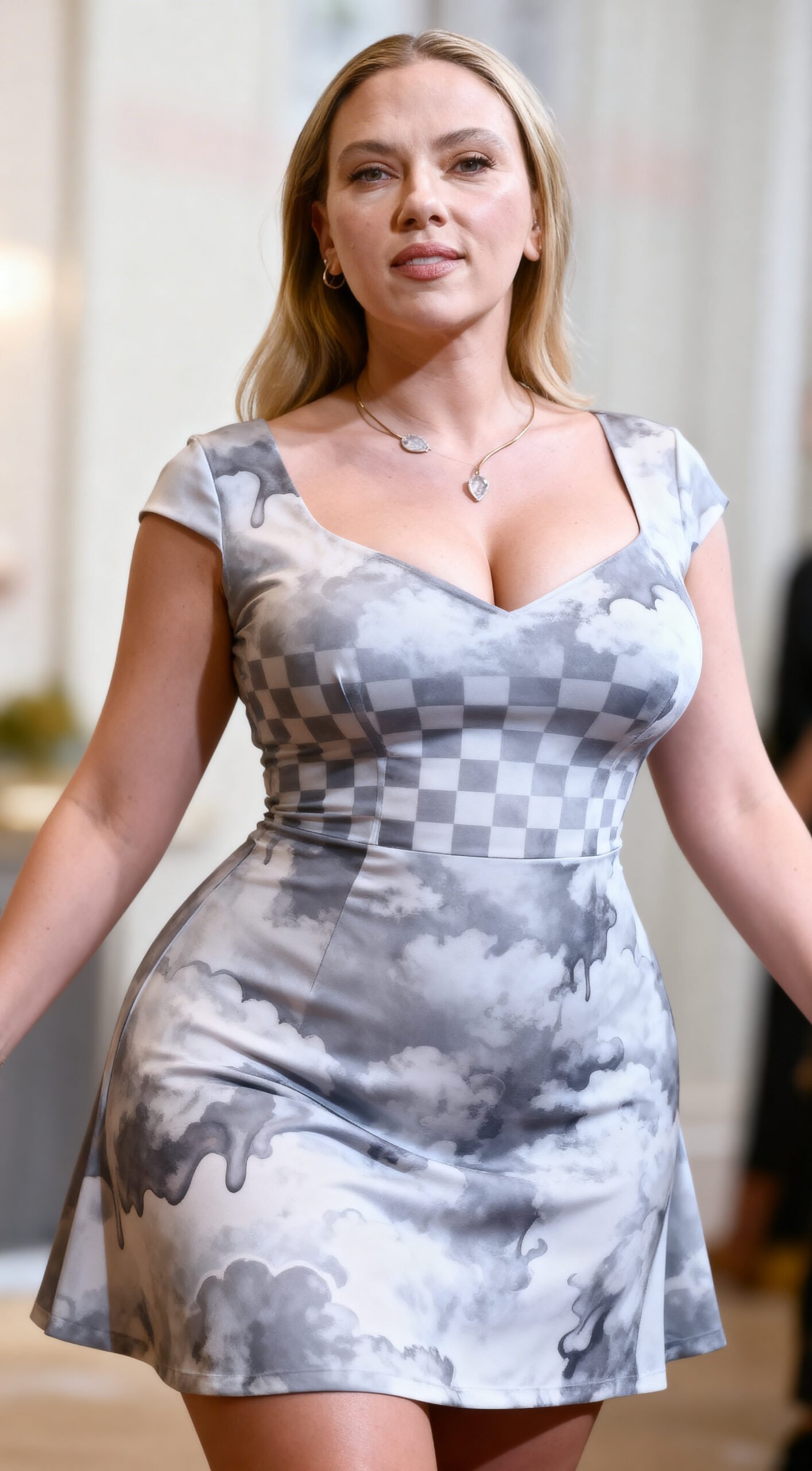
In an industry that can be brutal — especially for women moving into their 40s and beyond — Scarlett Johansson is proof that you don’t have to disappear after your “moment.” You can stay present. Stay real. Stay working. And still feel like someone people genuinely root for.
She’s not the loudest voice or the most controversial name in the room. She’s just… there. Warm. Reliable. Approachable.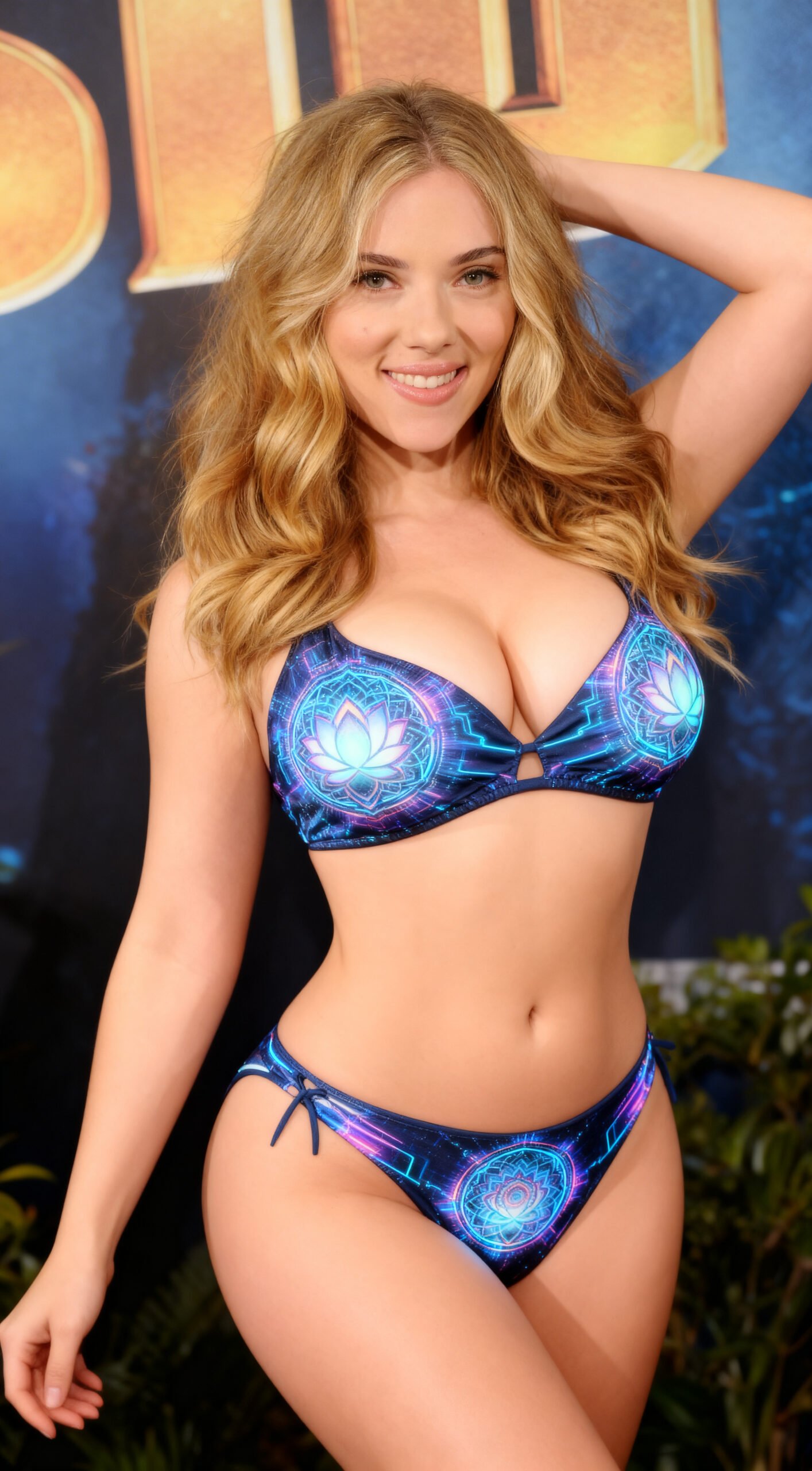
And after more than three decades, that’s rarer — and more valuable — than any box-office record or award.