

Most people buy or use a treadmill thinking it’ll magically melt fat or get them “in shape.” Then they either:
- sprint for 10 minutes, feel like they’re dying, and never touch it again, or
- walk slowly while scrolling TikTok for 45 minutes and wonder why nothing changes.
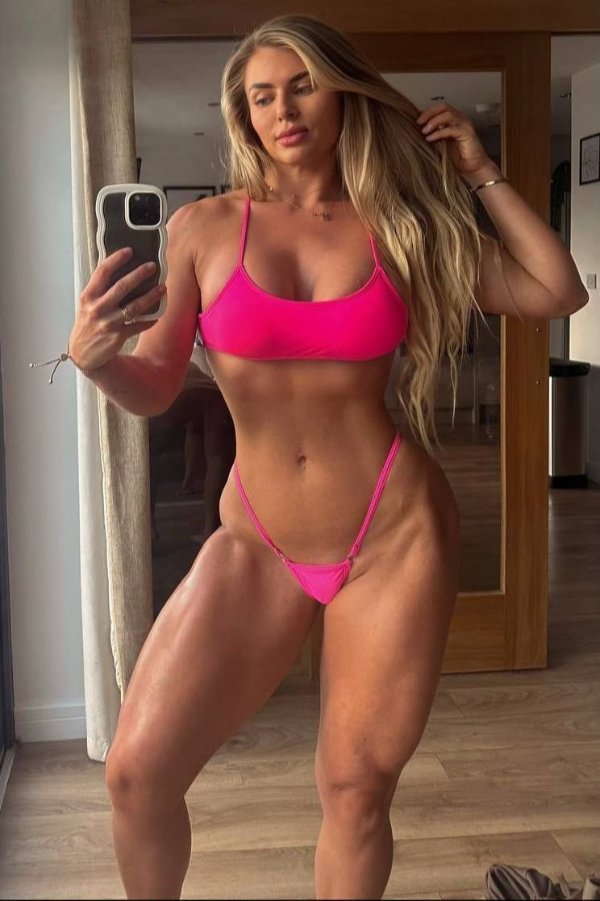
The truth is a treadmill is one of the most effective tools for building real fitness — if you use it smartly instead of treating it like a punishment device.
Here’s what actually works in real life (2025–2026 reality, backed by current exercise science).
1. Stop thinking “cardio = fat loss machine”
A treadmill burns calories — yes. But endless steady-state jogging/walking at the same pace is one of the least efficient ways to change body composition long-term. Your body adapts quickly (becomes more efficient), so you burn fewer calories for the same effort after a few weeks.
Smart treadmill use flips that:
- Use it to build a strong aerobic base (heart/lung endurance)
- Use it to create a bigger calorie burn through short, intense intervals
- Use it as active recovery on non-lifting days

2. Three realistic treadmill sessions most people can actually stick to
Session A: Steady-state base builder (3–4× per week)
- 30–50 minutes at moderate effort (you can talk in full sentences but wouldn’t want to sing or hold a long conversation)
- Pace: usually 5.0–6.5 km/h walking or 8–11 km/h light jog (adjust incline 1–4% to match road effort)
- Goal: improve cardiovascular health, burn 250–450 kcal, boost recovery between strength days
- Pro tip: watch Netflix / YouTube / podcasts — time flies

Session B: HIIT / interval burner (1–2× per week)
- Warm-up 5 min easy walk/jog
- Main work (repeat 6–10 times):
- 30–60 sec hard effort (8.5–12+ km/h sprint or fast incline walk)

- 60–120 sec easy recovery walk (4–5 km/h)
- 30–60 sec hard effort (8.5–12+ km/h sprint or fast incline walk)
- Cool-down 5 min easy walk
- Total time: 20–30 minutes

- Calories burned: often 300–500 in half the time of steady-state
- Why it works: keeps metabolism elevated longer (EPOC effect), improves insulin sensitivity, less boring

Session C: Active recovery / incline walk (1–2× per week or on off days)
- 30–45 min at easy pace (4.5–6 km/h) with incline 6–12%
- Heart rate stays low-moderate (conversational)
- Goal: extra calorie burn (200–400 kcal), joint-friendly, improves posterior chain/glutes without fatigue

3. Quick hacks that make treadmill time actually useful
- Incline > speed for most fat-loss goals — 8–15% incline at brisk walk pace burns more calories than running flat (less joint impact too)
- Mix it up — same pace every session = fast adaptation & boredom

- Track heart rate if possible — moderate zone (60–70% max HR) for base, 80–90% for intervals
- Pair with strength — do treadmill after lifting (preserves strength) or on separate days
- Don’t do cardio every day — 4–5 days/week is plenty; overdoing it kills recovery & muscle

Realistic Expectations (No BS)
- Weeks 1–4: feel less winded on stairs, better mood/energy, maybe 0.5–1 kg down if diet is dialed

- Months 2–4: noticeable stamina jump (longer walks feel easy), 2–5 kg fat loss common with moderate deficit
- Months 6–12: 5–12 kg total fat loss typical (more if starting higher), clothes fit dramatically better, resting heart rate drops 5–15 bpm
- Year 1+: treadmill becomes automatic habit, cardio fitness stays high even if you miss a few weeks

Bottom Line
A treadmill is not a fat-loss magic box. It’s a tool to build a stronger heart, burn extra calories, and improve recovery — but only if you use it smartly instead of mindlessly.
Do 3–4 sessions/week total (mix steady + intervals + incline), keep protein high, stay in a moderate deficit, lift 2–3× per week — and the body changes come without turning fitness into a full-time job.
What’s one small treadmill tweak you could try tomorrow (add 5% incline, one interval session, or just 20 min after dinner) that future-you would quietly thank you for?