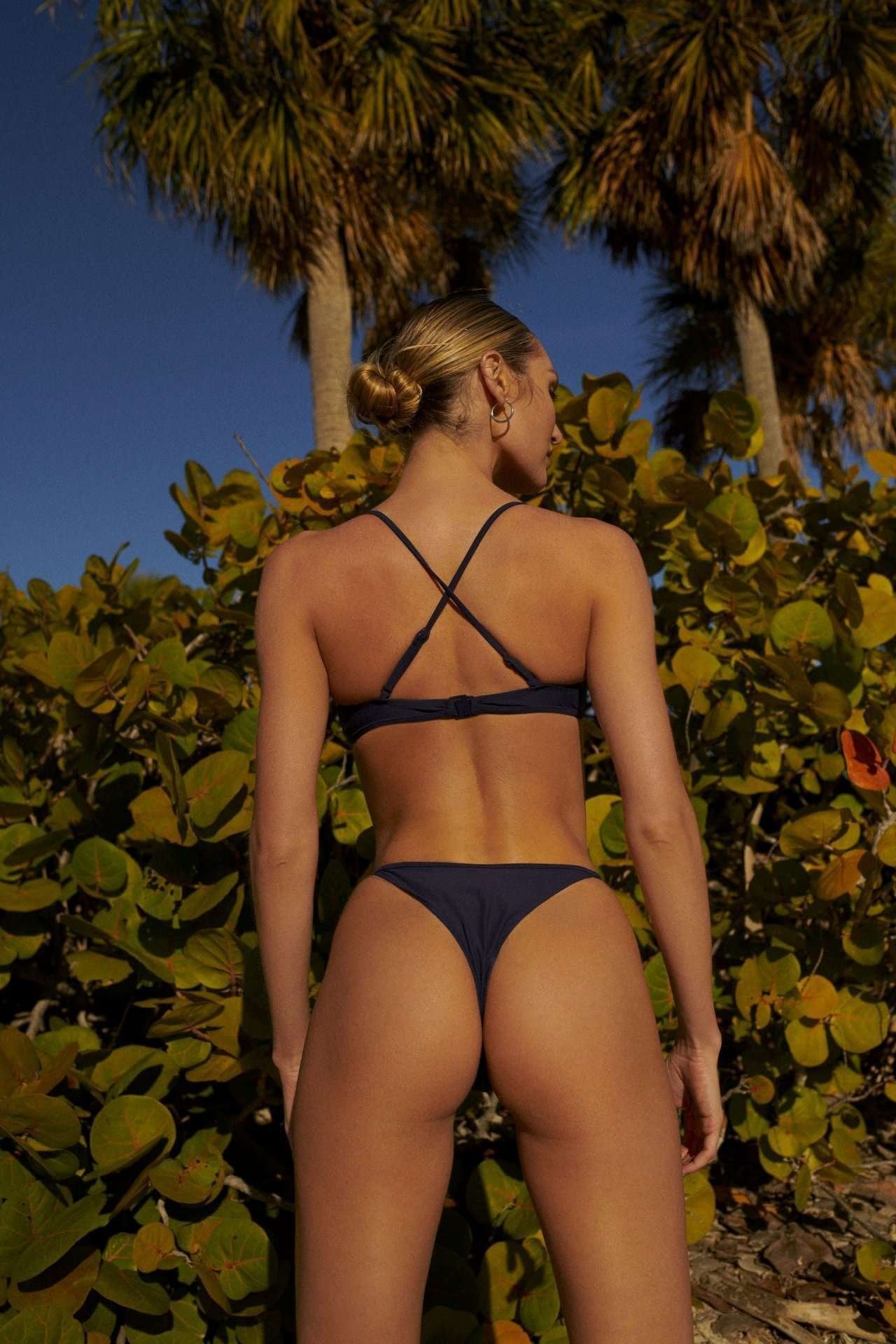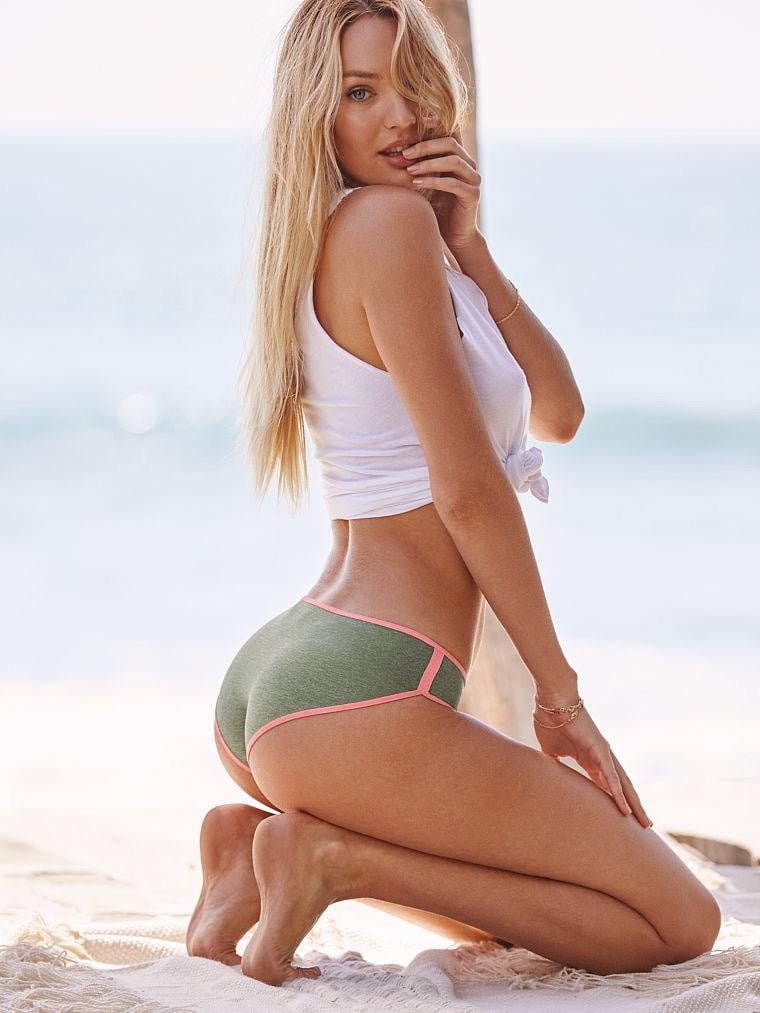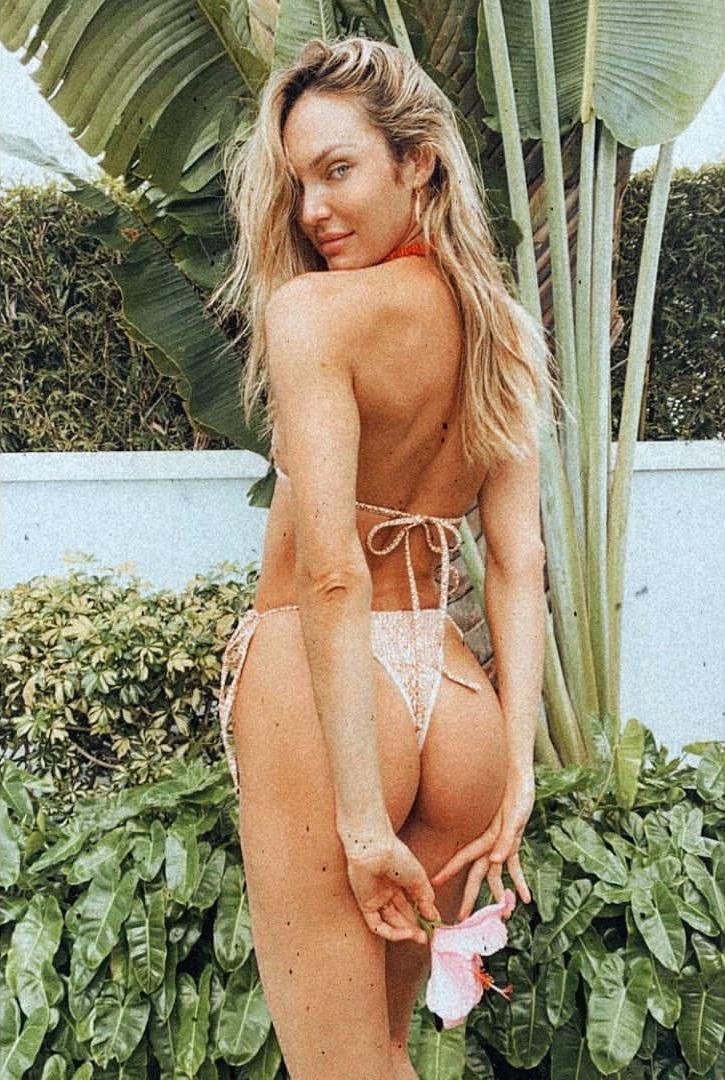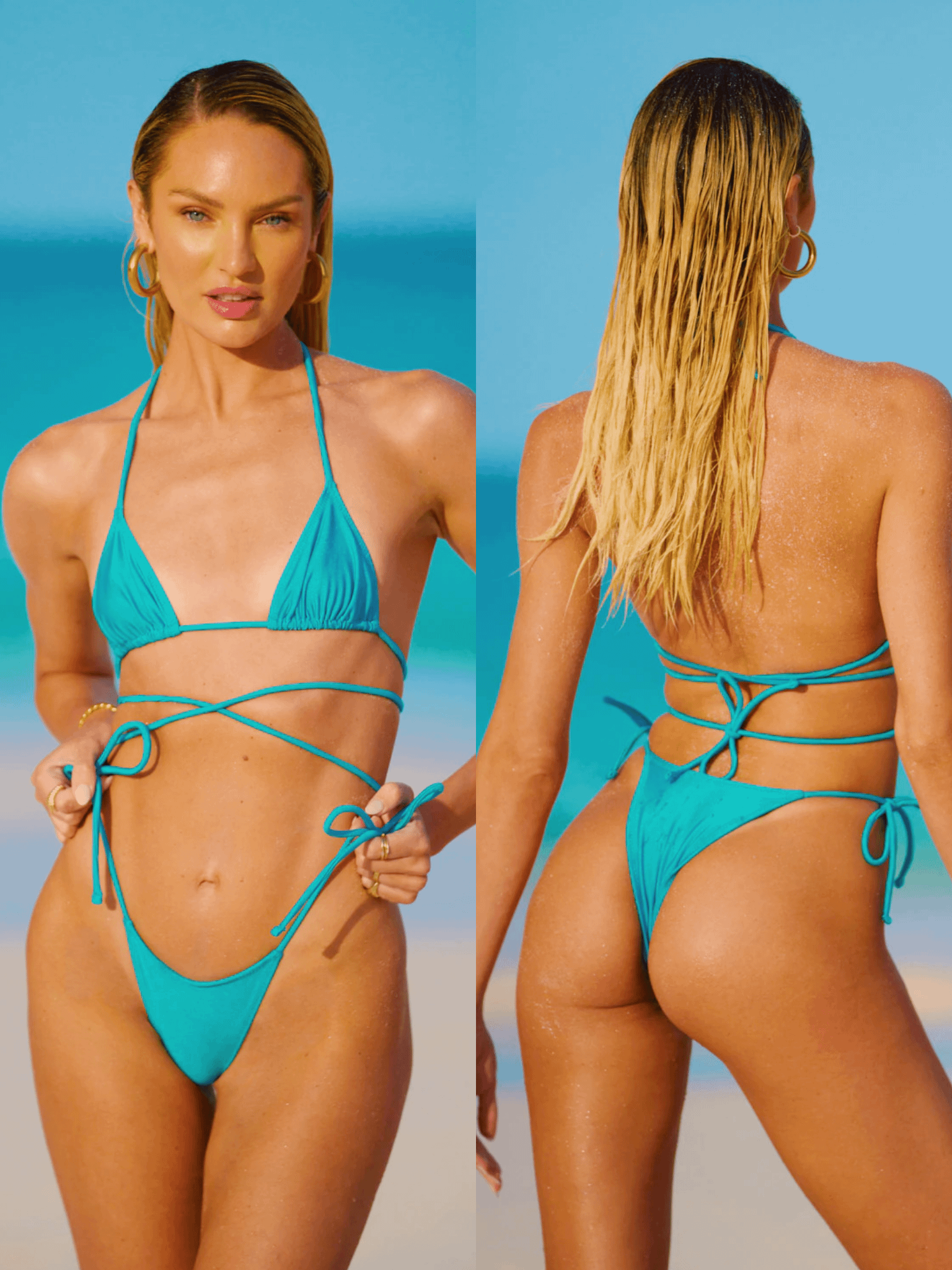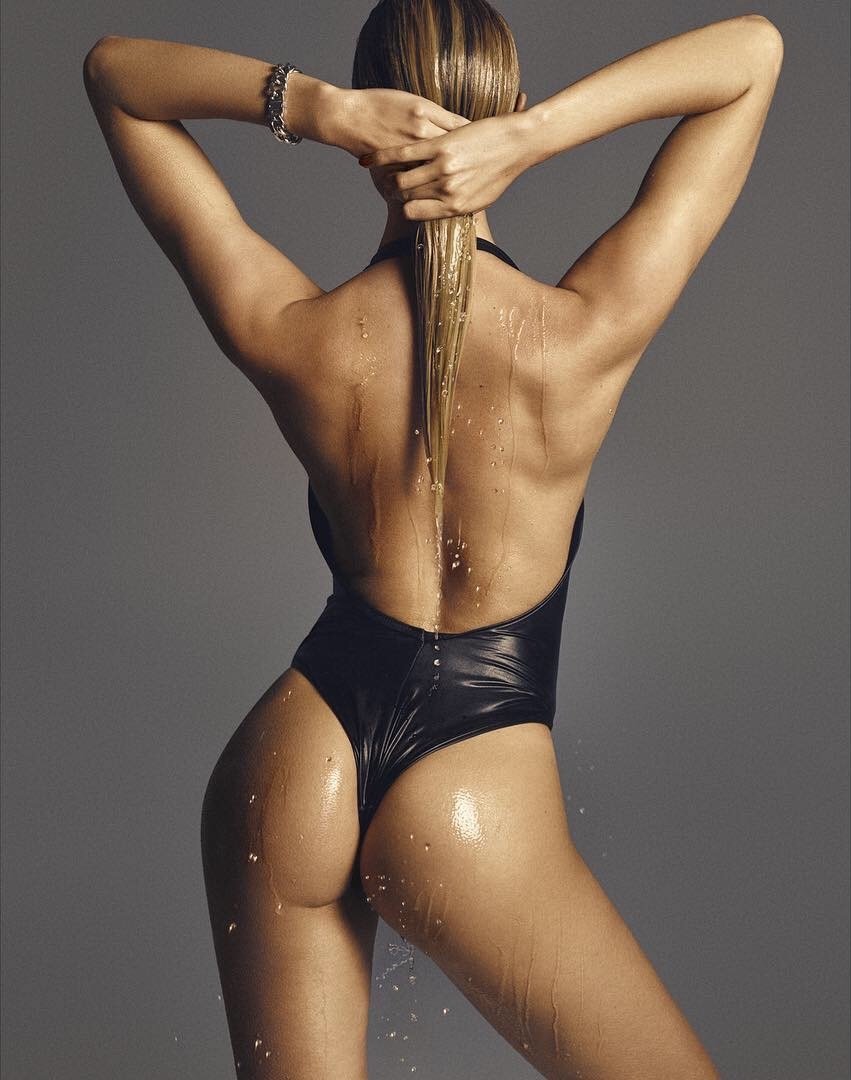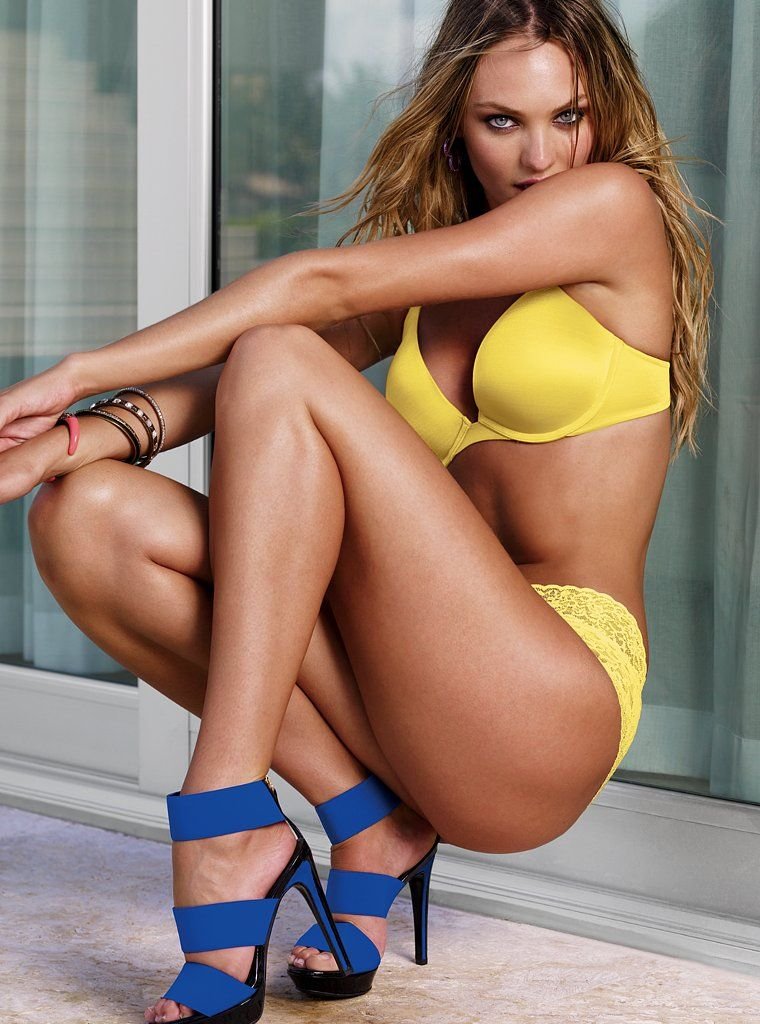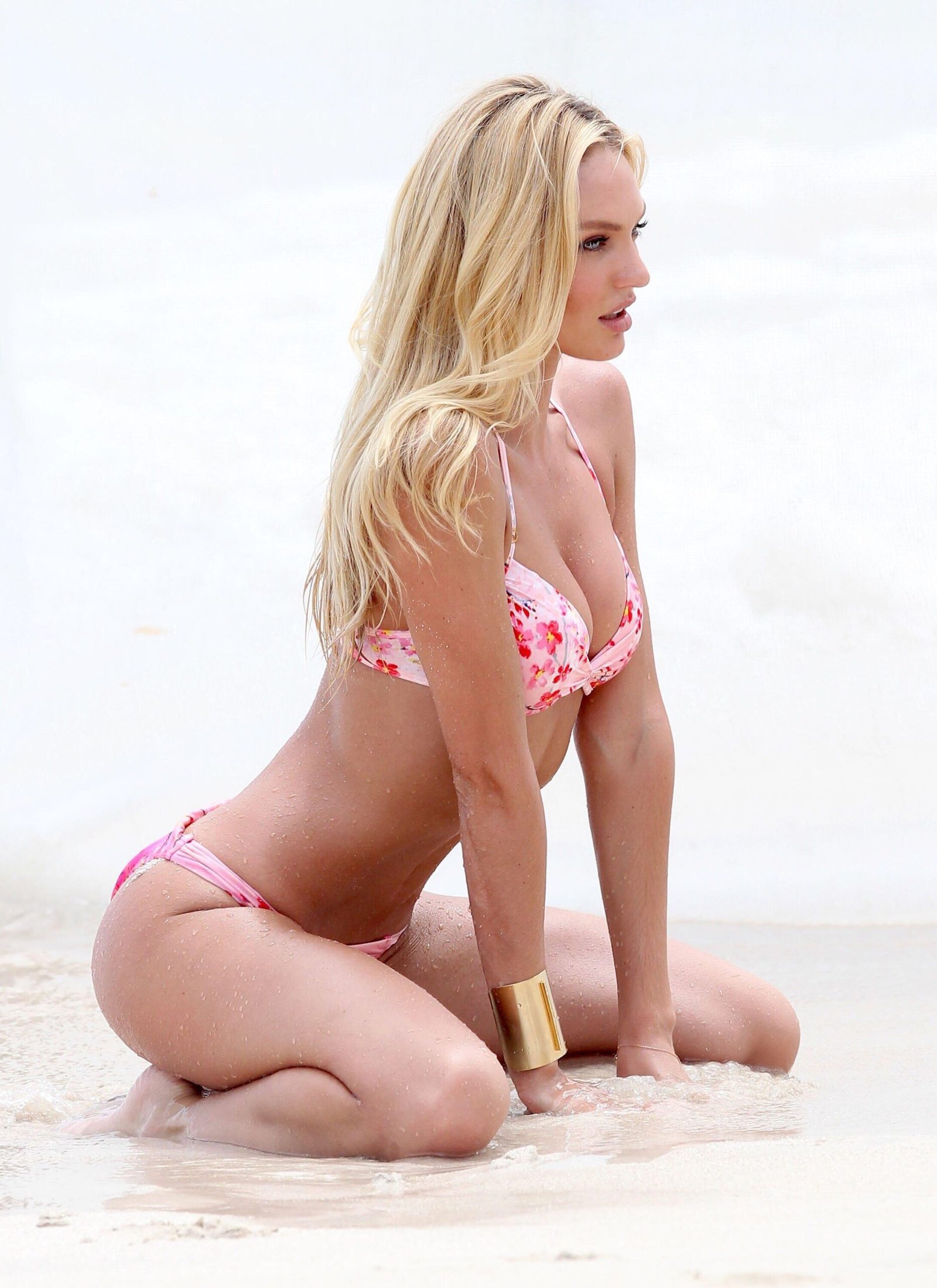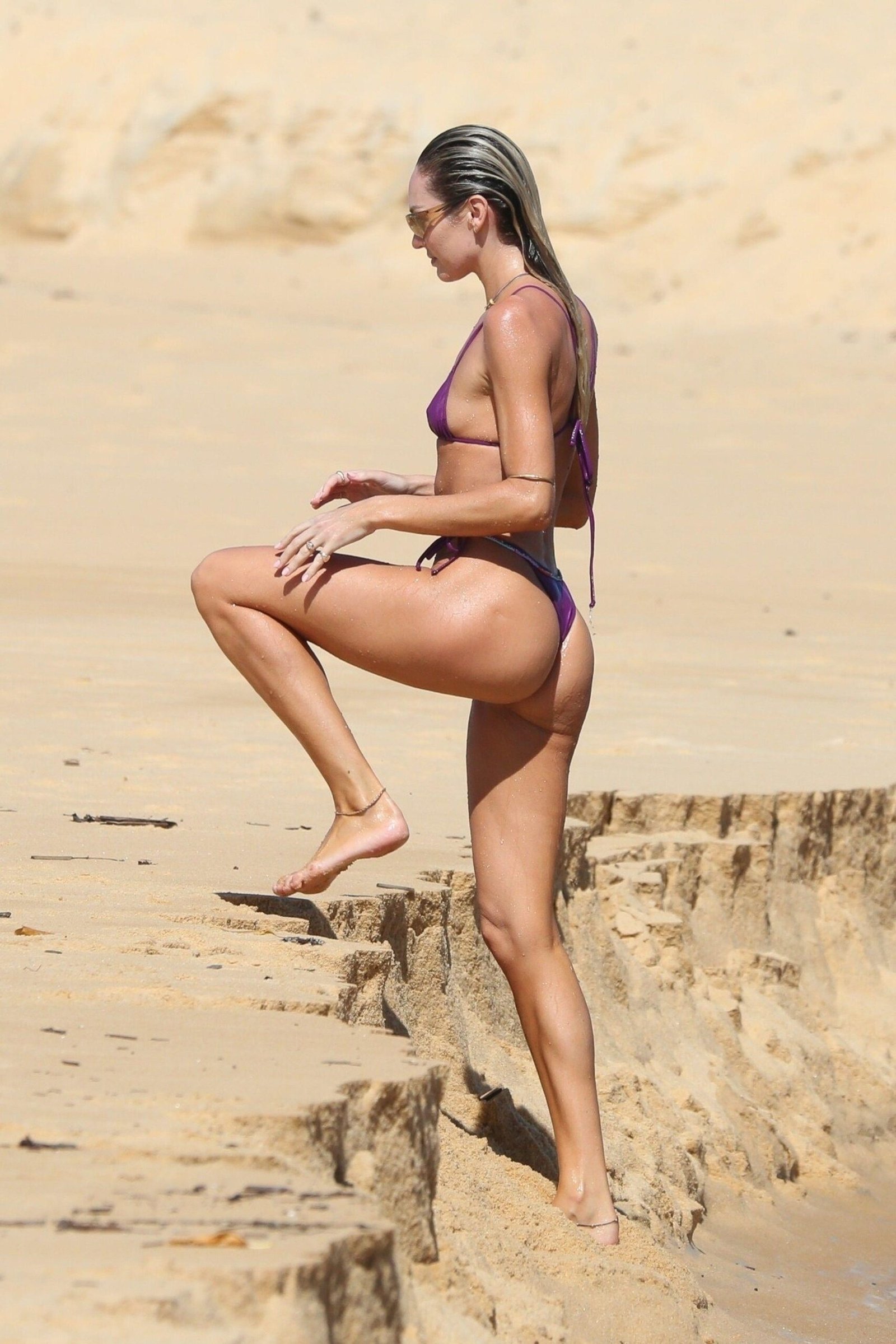
There is a version of the supermodel story that gets told over and over: a girl is discovered, a girl is beautiful, a girl becomes famous. It is a tidy story, and it is almost always wrong. Careers in fashion are short, brutally competitive, and built on thousands of small rejections that never make the magazine spread. Candice Swanepoel’s career has lasted more than two decades — not because she was discovered, but because of what she did in the years after.
A farm in Mooi River
Candice Susan Swanepoel was born on 20 October 1988 and raised on a farm in Mooi River, in South Africa’s KwaZulu-Natal province. Her father, Willem, came from Mutare in Zimbabwe; her mother, Eileen, is of British descent. She grew up in an Afrikaner household with an older brother, Stephen, and spent her childhood years studying ballet — a discipline that quietly explains a great deal about the poise and body awareness that would later become her professional currency.
She attended boarding school at St. Anne’s Diocesan College in nearby Hilton. It was, by any measure, a life far from Paris fashion week. Mooi River is a small farming town. New York was a rumour.

The flea market
At fifteen, Swanepoel was spotted by a model scout at a flea market in Durban. It is the kind of origin story that sounds like luck, and in one sense it was. But being noticed is only the beginning of the transaction. What follows is the part nobody photographs: leaving home as a teenager, living in shared model apartments in foreign cities, learning to navigate castings in languages you don’t speak, and hearing no far more often than yes.
Swanepoel went. She began working in 2003 and moved through the European circuit — Hamburg, Munich, Milan, Paris — building a portfolio one job at a time. It was during this period, in Paris at seventeen, that she met Brazilian model Hermann Nicoli, then twenty-three. She would go on to learn Portuguese from him, adding a third fluent language to Afrikaans and English.
Building a body of work
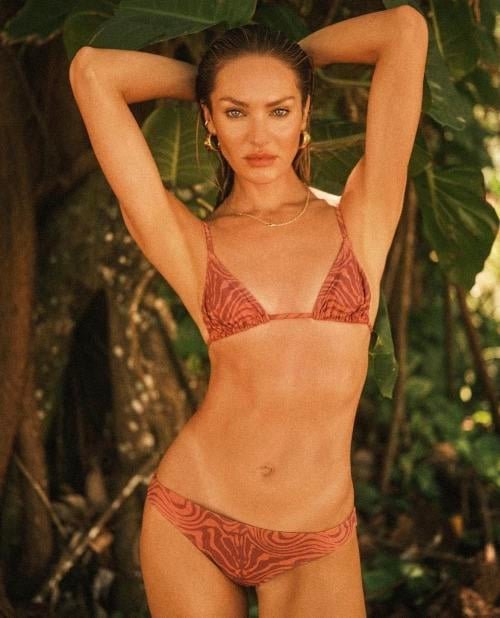
Before she was a household name, she was a working model with an unusually broad range. Swanepoel has appeared in editorials for Vogue across more than a dozen international editions, along with Elle, GQ, Harper’s Bazaar, V, Allure, W and i-D.
Her runway credits read like a survey of modern fashion: Chanel, Fendi, Versace, Givenchy, Dior, Dolce & Gabbana, Michael Kors, Donna Karan, Oscar de la Renta, Elie Saab, Stella McCartney, Jean Paul Gaultier, Prabal Gurung, Off-White, Ralph Lauren. Campaign work followed for Tom Ford, Miu Miu, Swarovski, Nike, Guess, Diesel, Juicy Couture and others.
This is the unglamorous engine of a long career. Range is what keeps a model working when a single client relationship ends.
The Victoria’s Secret years
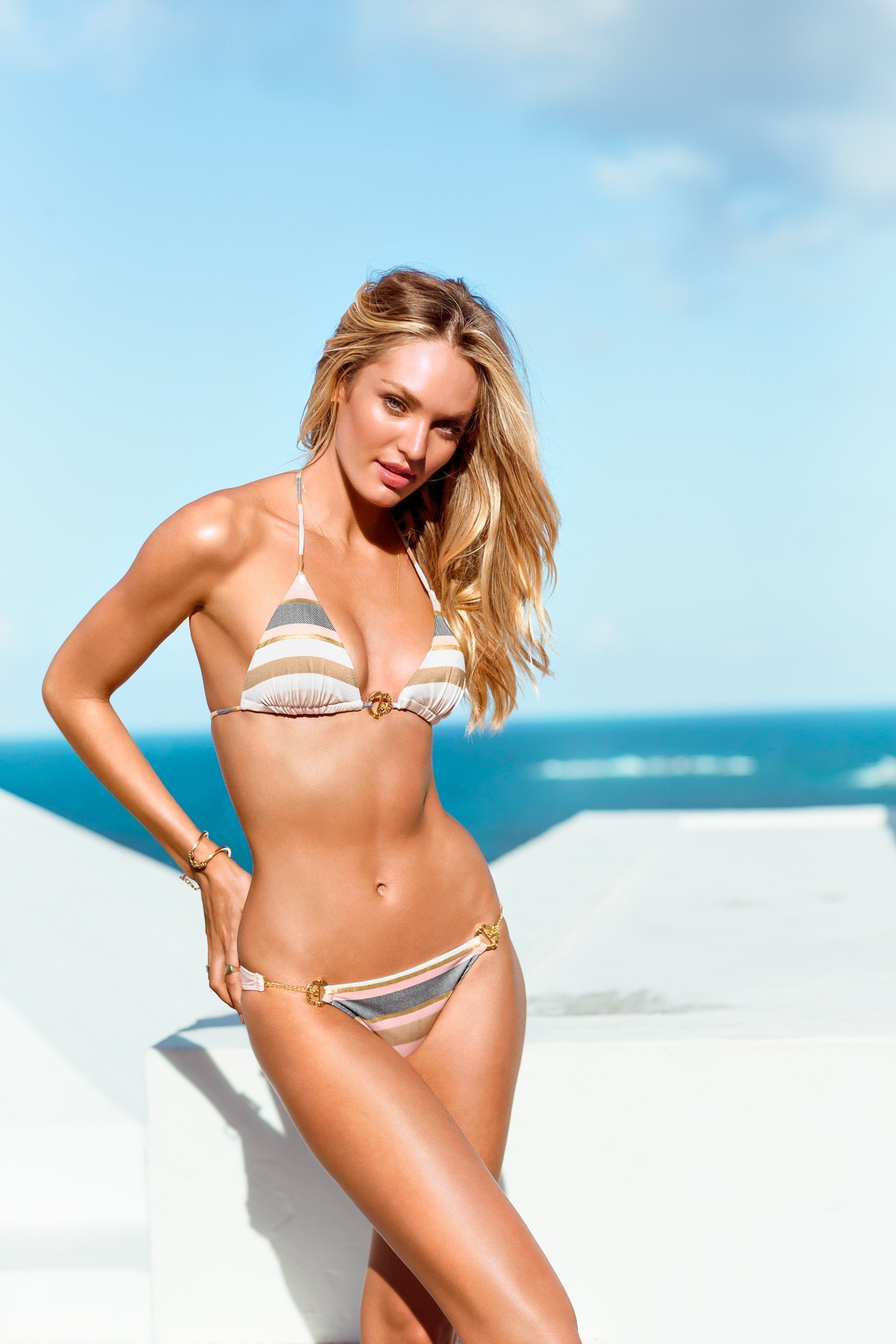
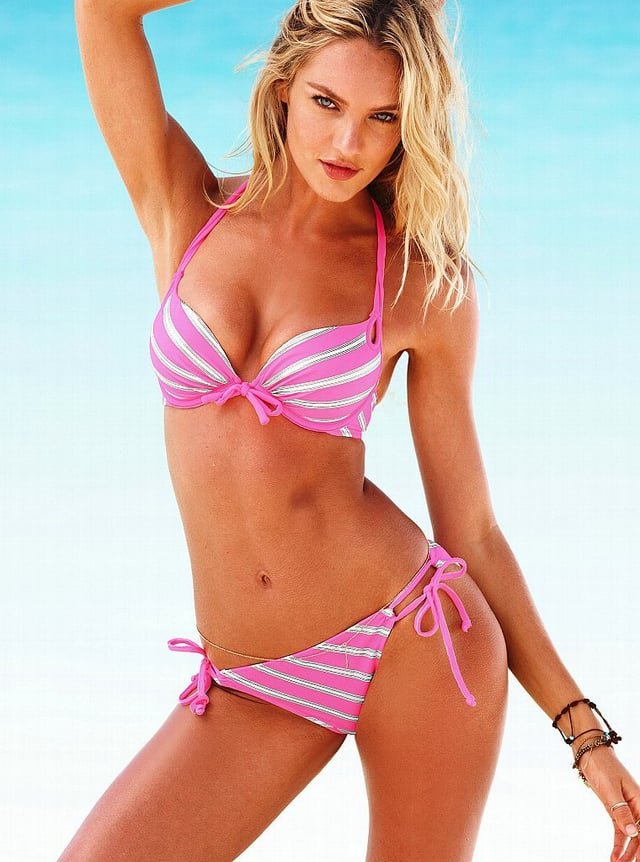
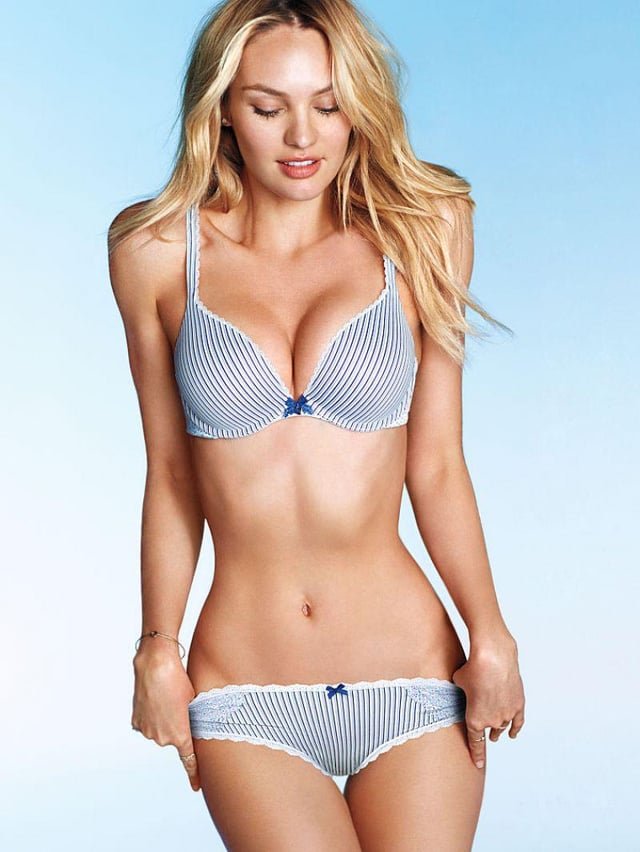
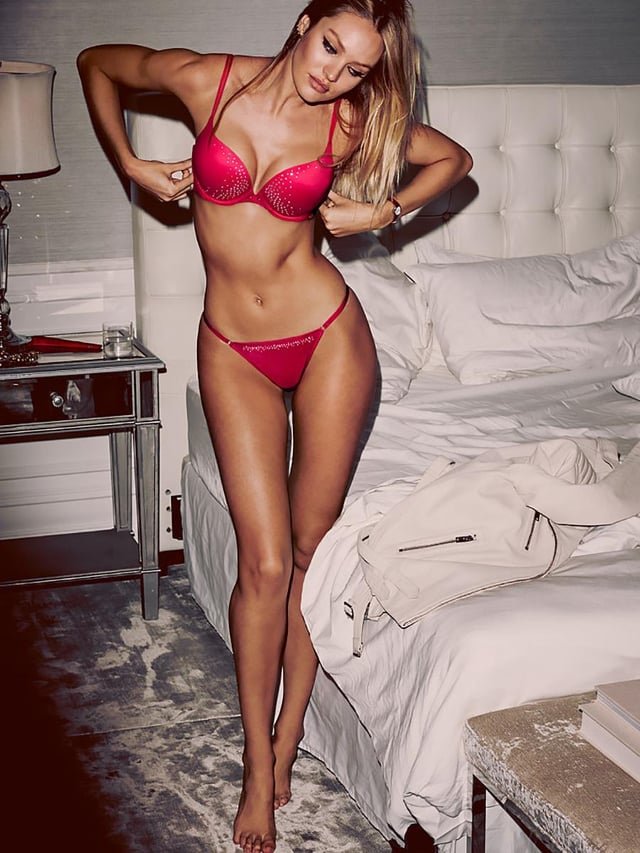
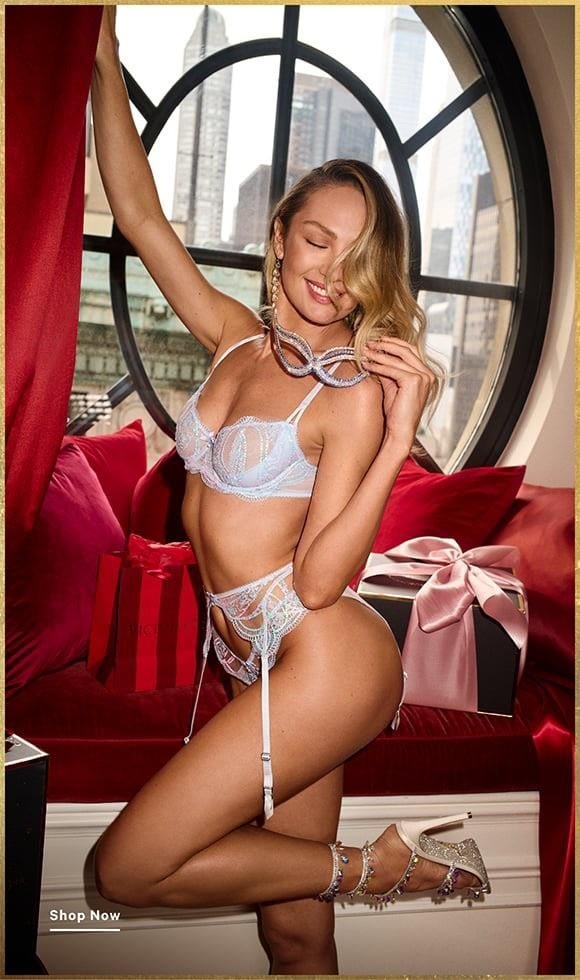
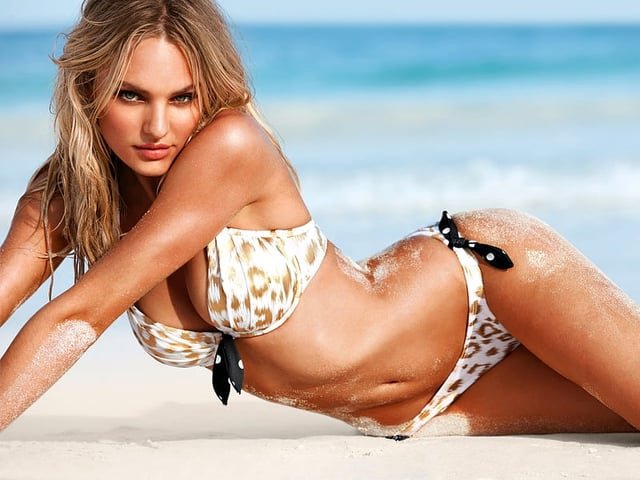
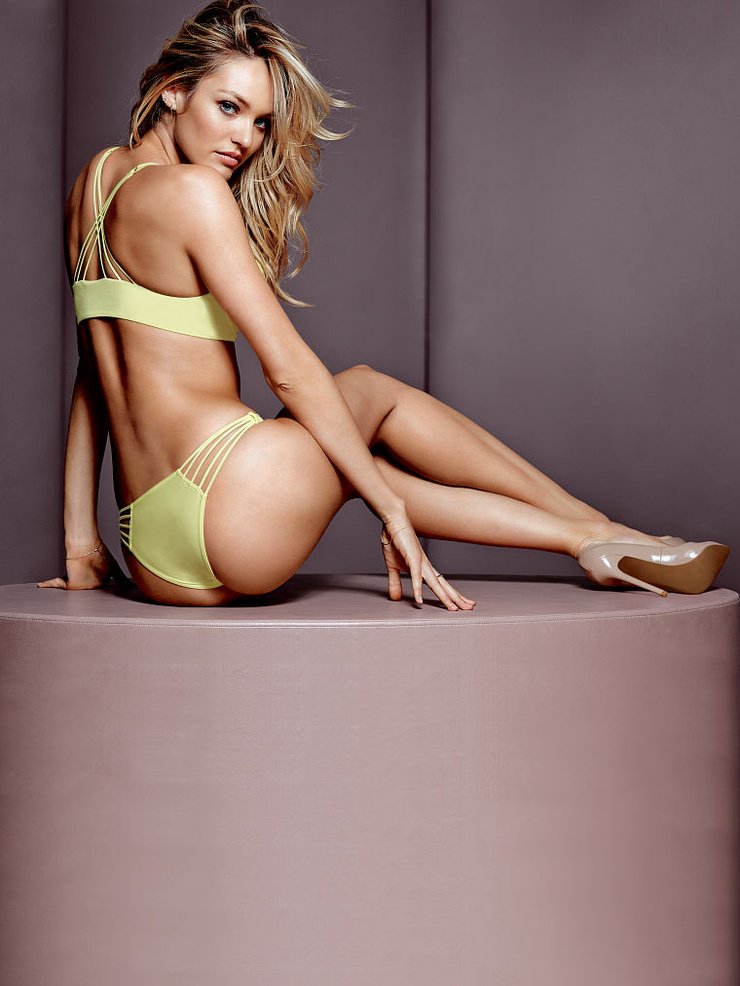
Swanepoel began working with Victoria’s Secret in 2007, appearing in commercials and, in 2010, the brand’s high-profile SWIM catalogue alongside Rosie Huntington-Whiteley, Behati Prinsloo, Lindsay Ellingson and Erin Heatherton.
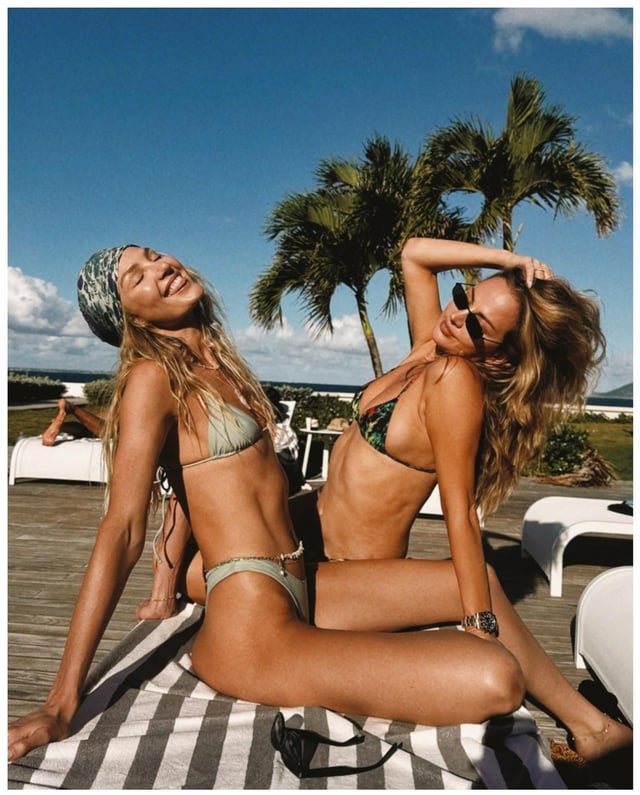
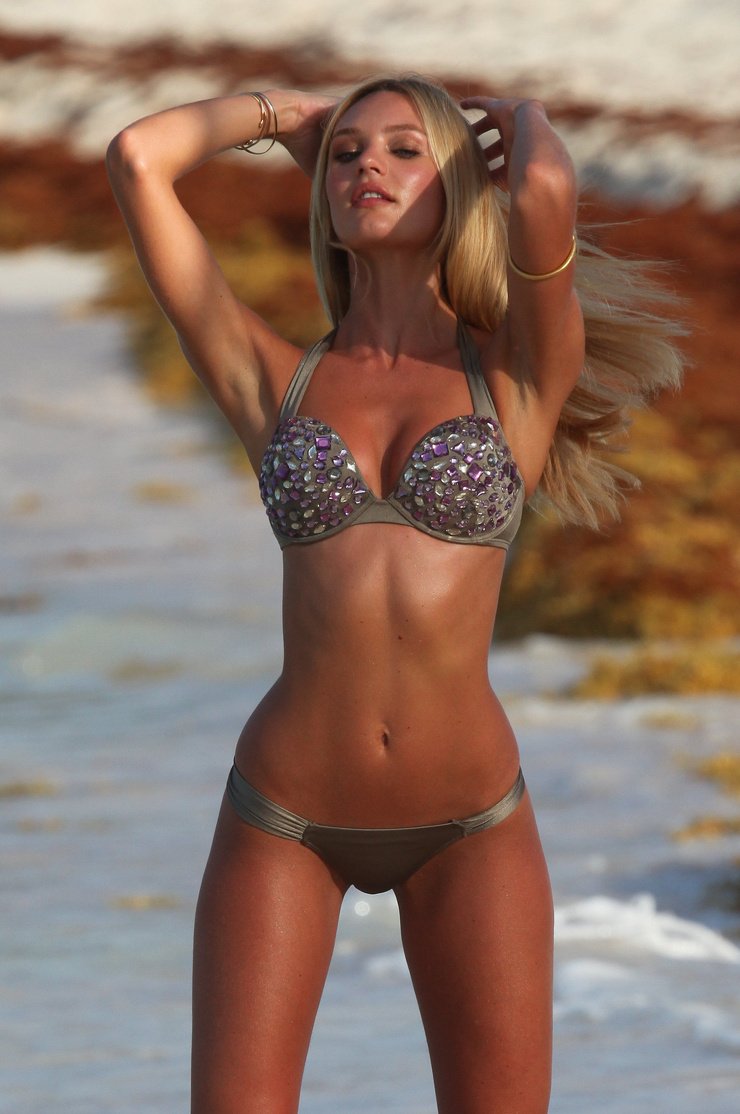
That same year she was named a Victoria’s Secret Angel — at the time, one of the most visible commercial positions in the industry. In 2013 she became the cover model of the brand’s swim catalogue and was chosen to wear the Fantasy Bra at the Victoria’s Secret Fashion Show. The “Royal Fantasy Bra,” created by Mouawad and valued at $10 million, featured more than 4,200 gems — rubies, diamonds and yellow sapphires set in 18-carat gold, anchored by a 52-carat ruby.

The commercial recognition tracked. She entered the Forbes list of the world’s top-earning models at No. 10 in 2011, and by 2016 had climbed to No. 8 with estimated annual earnings of $7 million.
From face to founder
Here is where Swanepoel’s story departs from the standard arc.
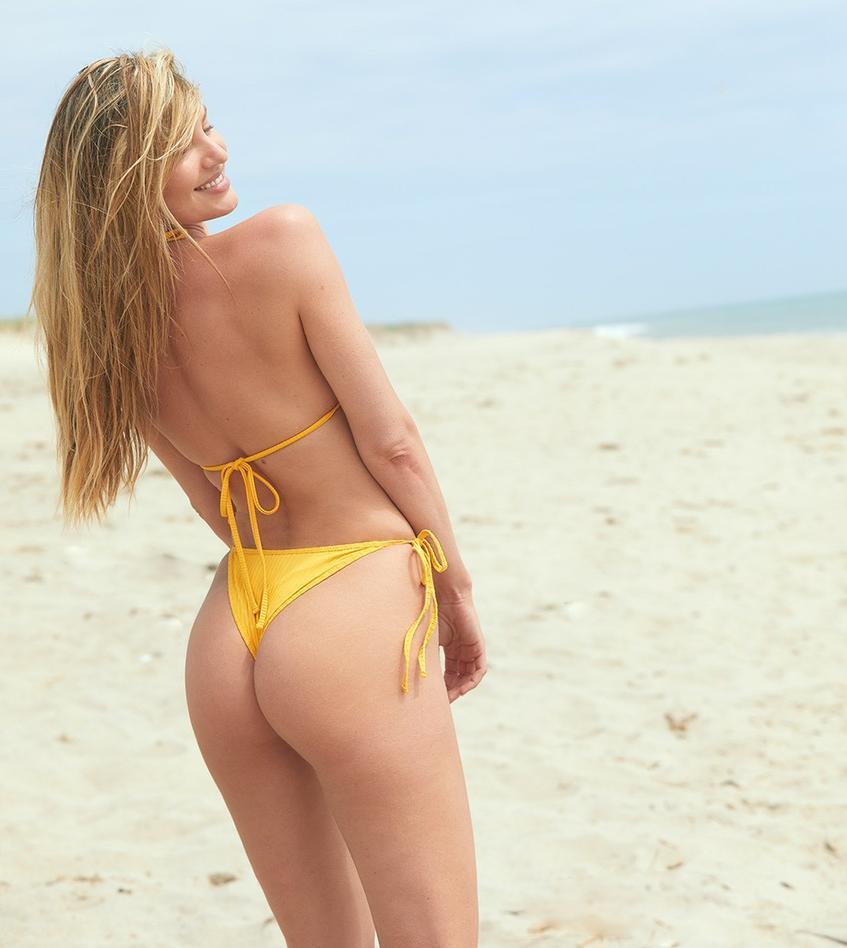
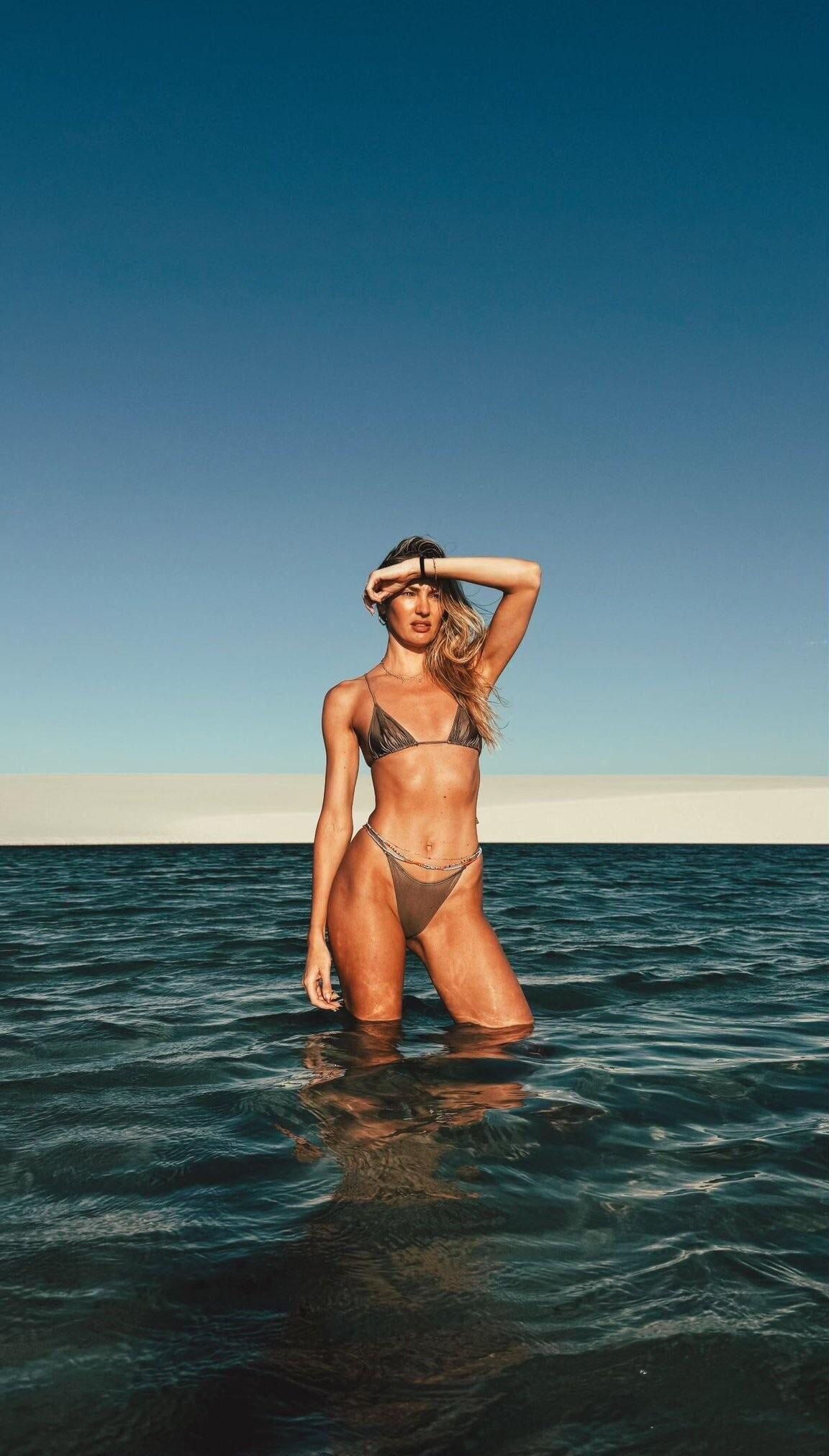
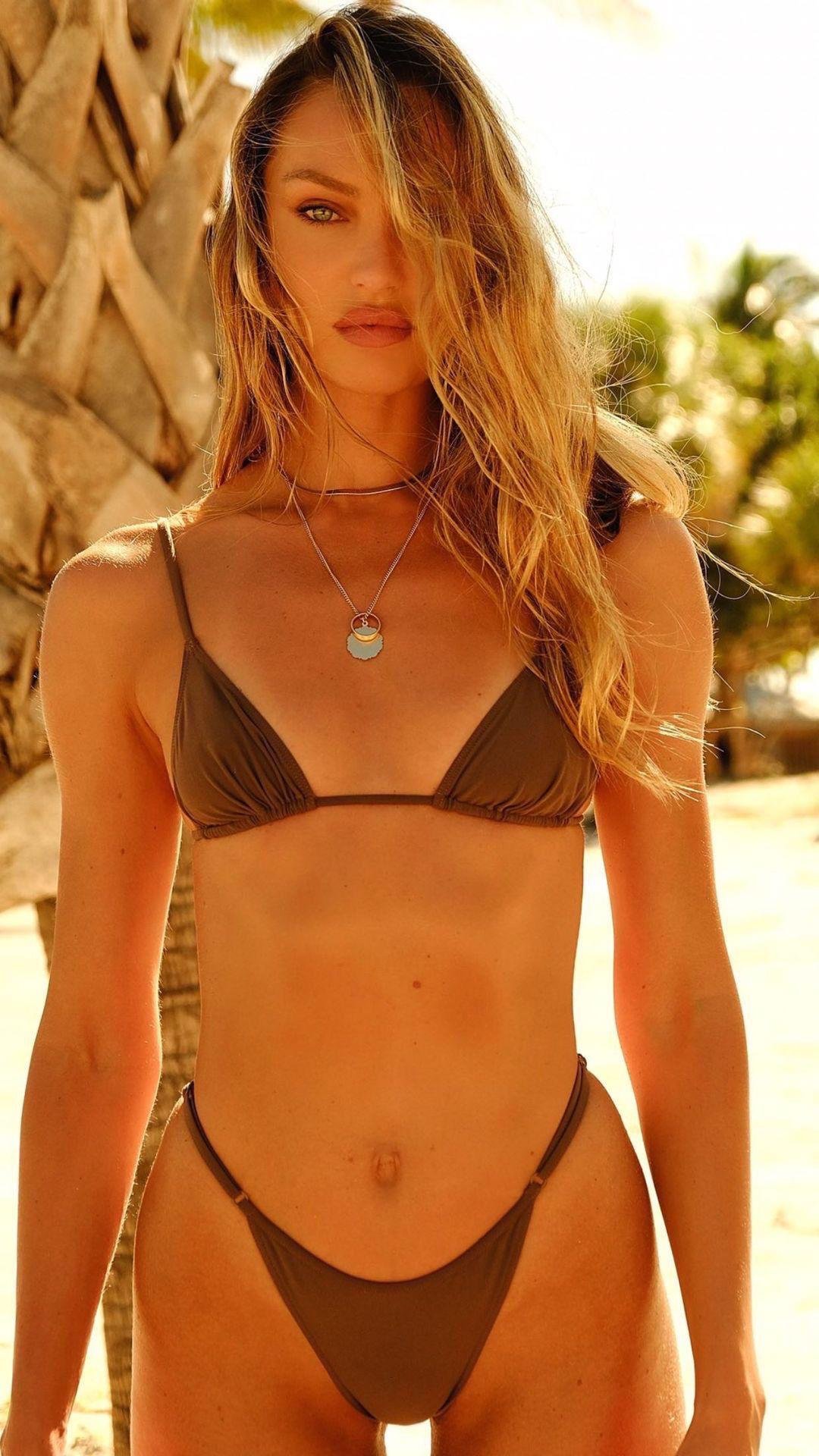
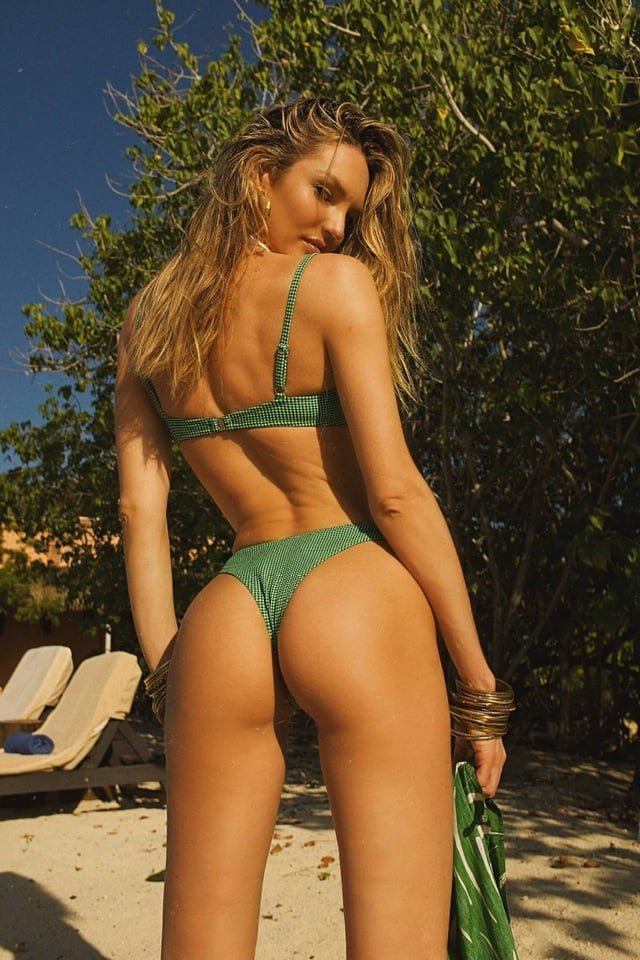
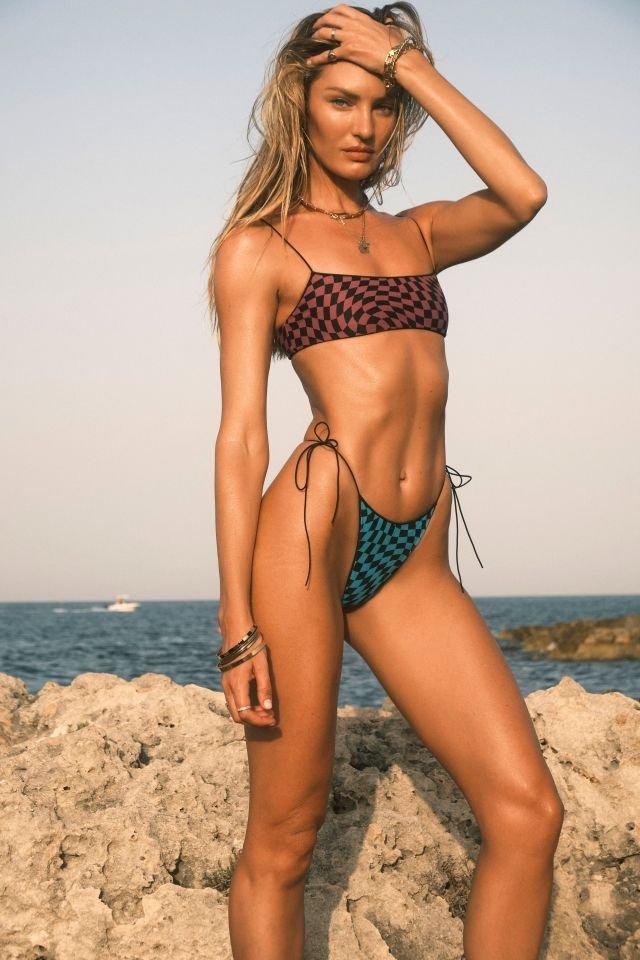
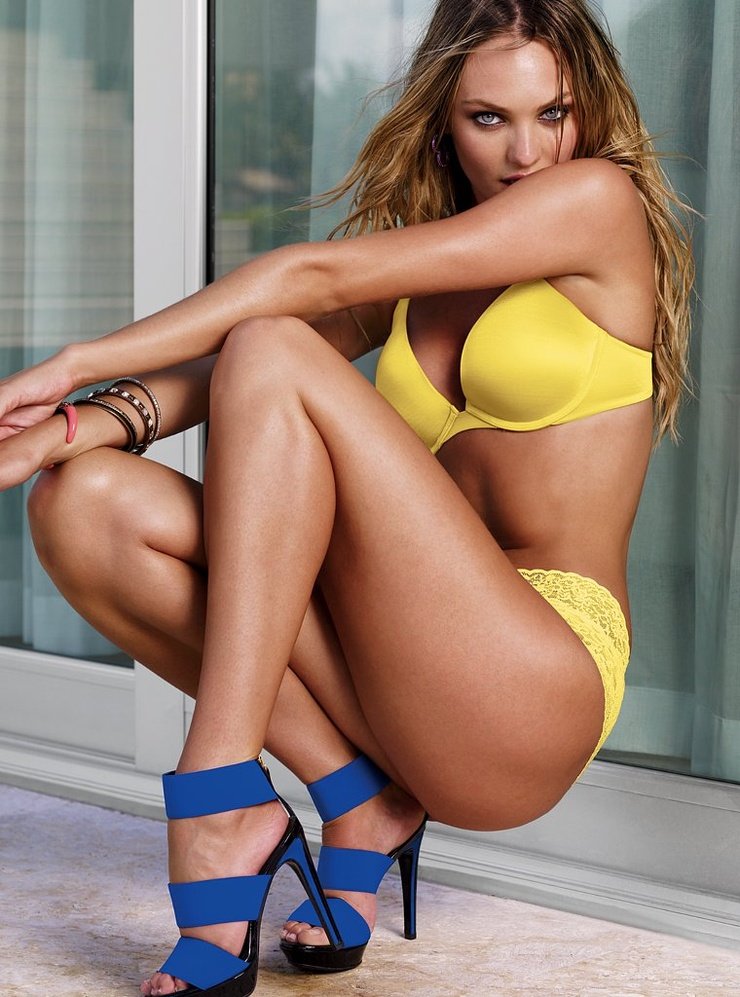
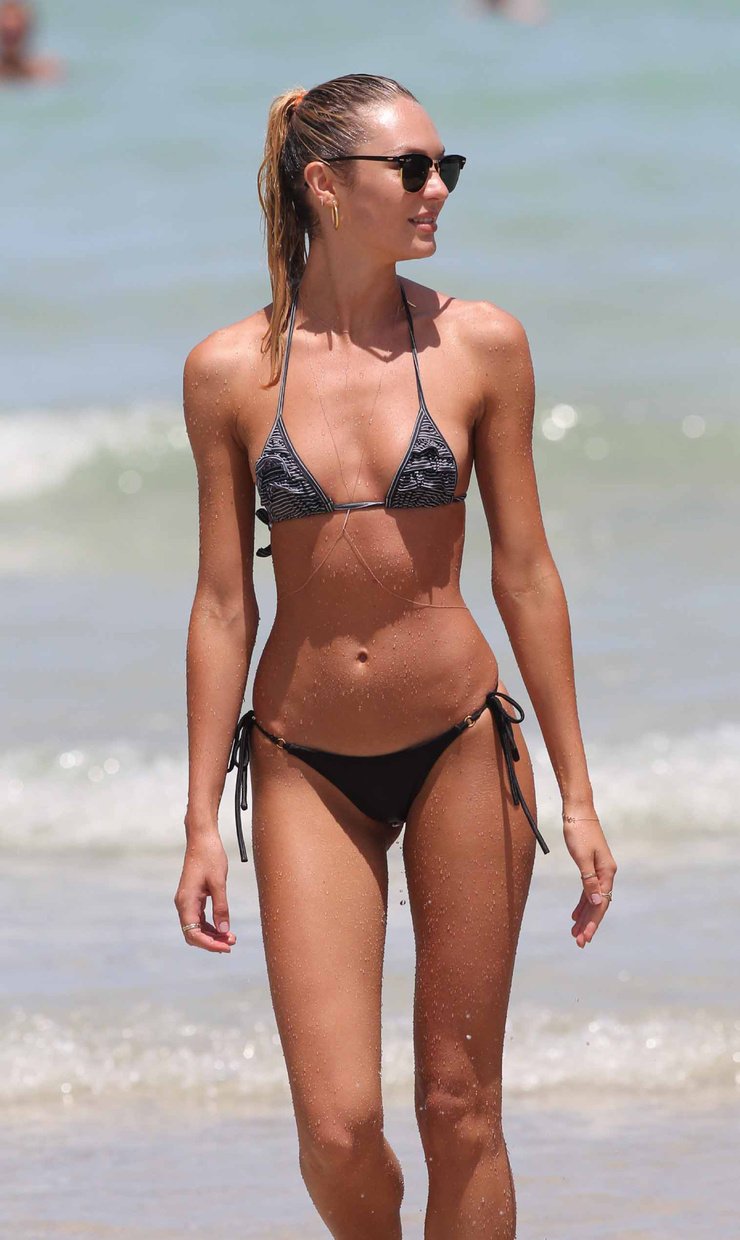
Modelling careers have a shelf life determined by other people’s decisions. In 2018, she launched Tropic of C, her own swimwear label — a move from being the image to owning the business behind it. The brand won Launch of the Year at the fifth annual Daily Front Row Awards.
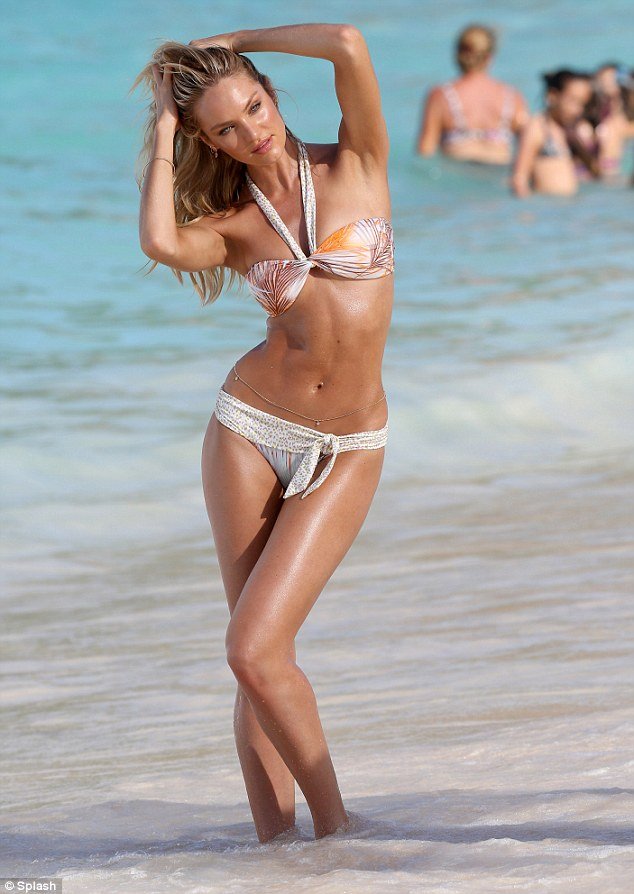
Nearly a decade on, it remains an active, evolving business rather than a celebrity side project. Swanepoel continues to serve as a creative director on its campaigns, including the Summer 2026 collection, L’Animal, and the label has collaborated with Victoria’s Secret — a striking inversion of the relationship she began in 2007 as a hired face.
Motherhood, and continuing anyway
Swanepoel and Nicoli became engaged in August 2015 and had two sons, born in October 2016 and June 2018. The couple separated in November 2018.
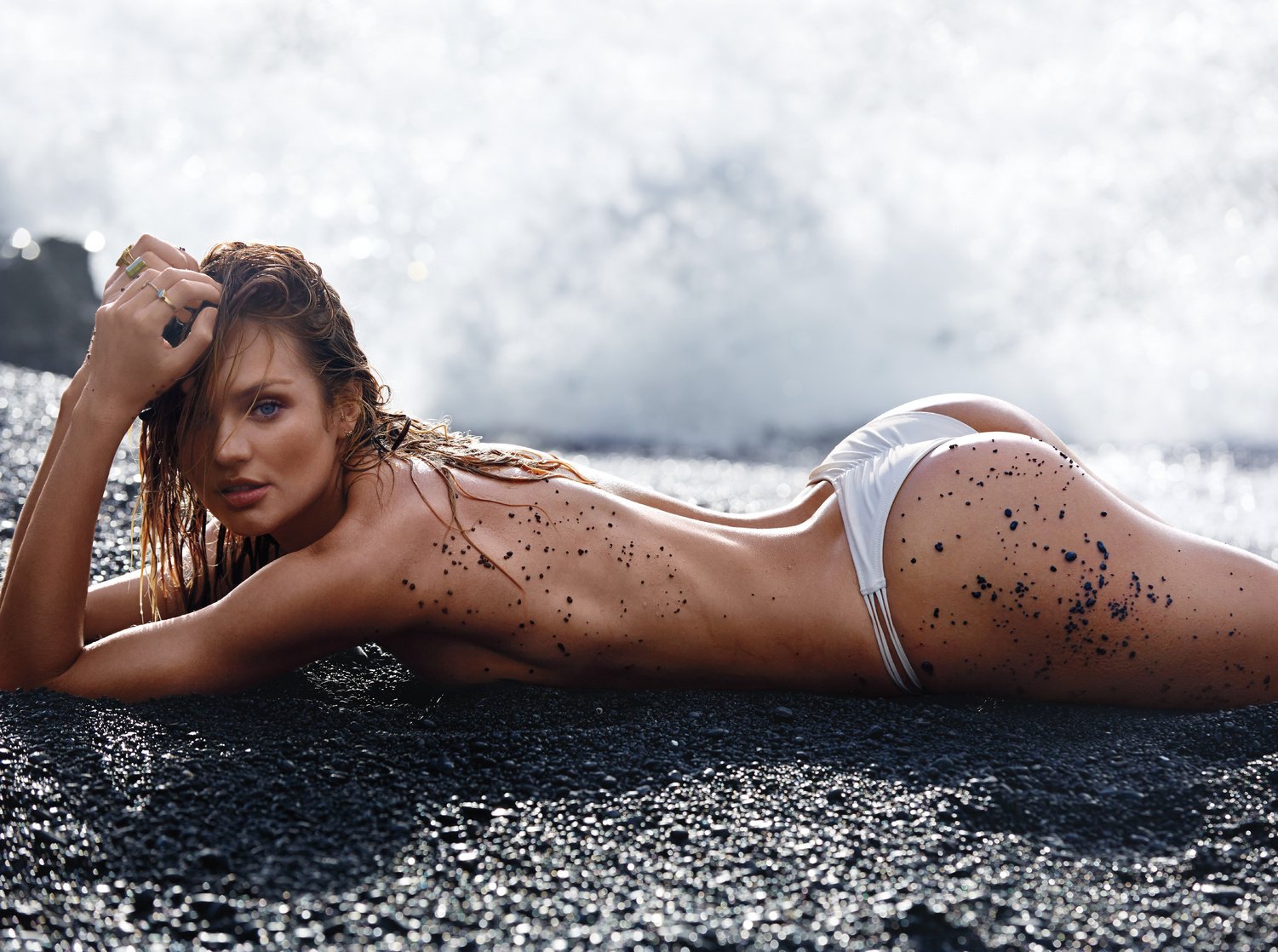
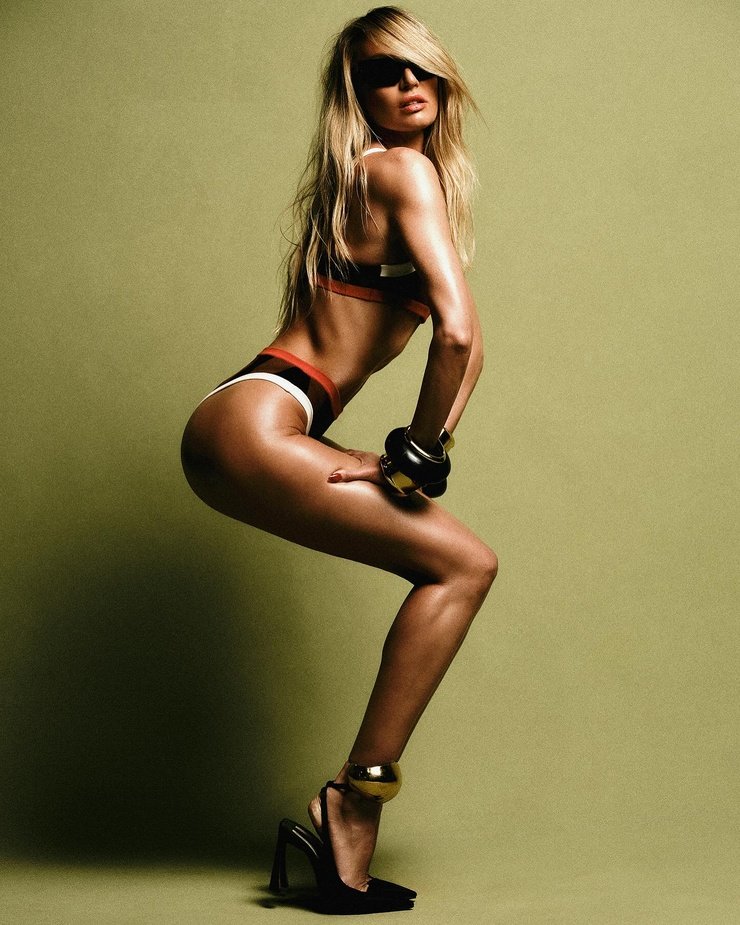
The conventional industry wisdom once held that motherhood ended a modelling career. It didn’t. She kept working, splitting her time between Brazil and New York, and has continued to book major campaigns and editorials well into her late thirties — including work with Gucci, Victoria’s Secret and V magazine in 2026.
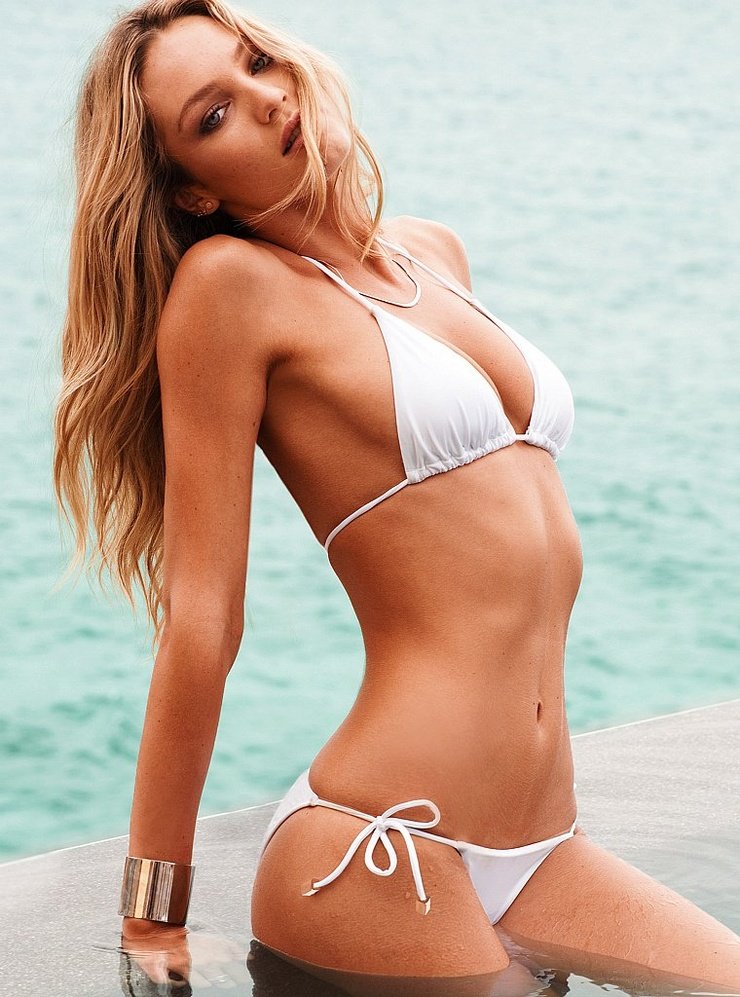
That persistence has done quiet structural work. Every model who returns to the runway after having children makes it slightly less remarkable for the next one.
Giving it back
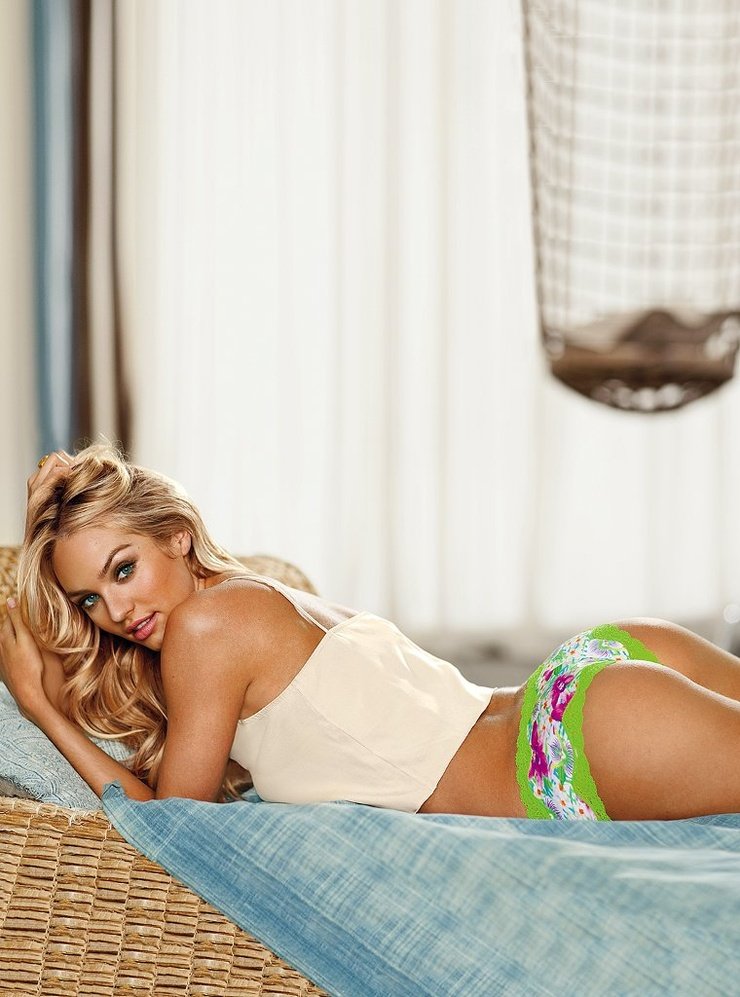
Swanepoel has been closely involved with mothers2mothers, a charity working toward an HIV-free generation of children and mothers across Africa. She designed denim in support of the organisation and, in May 2019, joined as a patron and global ambassador. She was also honoured with Revolve’s Woman of the Year award that year.
For someone whose career took her far from Mooi River, the choice of cause is not incidental.
What the story actually teaches
Strip away the gemstone bras and the Forbes rankings, and Swanepoel’s path comes down to a few unglamorous things:
She was prepared before she was discovered. Years of ballet gave her the physical discipline the work demanded.
She went. A fifteen-year-old from a farming town got on a plane and did the hard, lonely years in Europe that most people never see.

She diversified. High fashion runways, commercial campaigns, international editorial — breadth, not a single lucrative lane.
She built ownership. Tropic of C converted visibility into equity, changing what happens when the phone eventually rings less often.
She refused the expiry date. Motherhood, a public break-up, and an industry obsessed with youth did not end the career.
Passion got her noticed at a flea market in Durban. Perseverance is why, more than twenty years later, she is still working — and now, largely on her own terms.