

Those painful leg cramps that wake you up in the middle of the night
You know the feeling: you’re sound asleep, then suddenly your calf (or sometimes your foot or thigh) seizes up in a tight, hard knot. It’s an involuntary muscle cramp — sharp, intense, and impossible to ignore. Most people describe it as their leg “locking up” or “charley-horsing” out of nowhere.
These nighttime cramps can last anywhere from a few seconds to several long, miserable minutes. When the muscle finally relaxes, it often feels sore, achy, or tender for a while afterward — sometimes even into the next day.
Who gets them? They can happen to pretty much anyone at any age, but they become more common as we get older. Certain things make them show up more often:
- Being dehydrated or low on certain minerals (especially potassium, magnesium, or calcium)
- Overusing or tiring out the leg muscles during the day (long walks, standing a lot, new exercise, or intense workouts)
- Sitting or lying in one position for a long time
- Certain medications (like some diuretics, statins, or asthma drugs)
- Pregnancy (very common in the second and third trimesters)
- Medical conditions such as diabetes, peripheral neuropathy, kidney issues, thyroid problems, or poor circulation
- Flat feet, very high arches, or other foot/leg alignment quirks
- Alcohol use or heavy caffeine intake in some people
They’re super common — studies show up to 60% of adults experience them at least occasionally — but they’re no less frustrating when they hit at 3 a.m.
The good news is that while they’re painful, most nocturnal leg cramps are harmless on their own. Still, if they’re happening frequently, lasting a long time, or coming with swelling, redness, weakness, or other unusual symptoms, it’s worth talking to a doctor to rule out anything underlying.
Dehydration

Not drinking enough water can quietly throw your body’s electrolyte balance out of whack
Electrolytes — things like sodium, potassium, magnesium, and calcium — are super important for keeping your muscles working smoothly. They help nerves send signals and muscles contract and relax the way they’re supposed to.
When you don’t take in enough fluids throughout the day, your body can end up with too little (or sometimes uneven levels) of these key minerals. Even mild dehydration can tip things off balance enough to make muscles more irritable and prone to cramping — especially at night when you’re still and your legs are in one position for hours.
That’s one of the most common reasons people wake up with a sudden, painful calf or foot cramp. It’s not always dramatic dehydration (you don’t have to feel super thirsty all day), but consistently under-hydrating — especially if you drink a lot of coffee, tea, alcohol, or you’ve been sweating more than usual — can slowly set the stage for those nighttime attacks.
Quick takeaway: Staying well-hydrated during the day is one of the simplest, most effective things you can do to lower the odds of those 3 a.m. leg cramps. Pair that with eating foods rich in potassium and magnesium, and many people notice a big difference.
Mineral Deficiencies

Low levels of certain key minerals can play a big role in those annoying muscle cramps
Your muscles depend on a handful of minerals to contract and relax smoothly — especially potassium, calcium, and magnesium. When your body runs short on any of these over time, the muscles can become more irritable and prone to sudden, painful spasms (like the classic nighttime calf cramps).
It’s not always a dramatic deficiency you’d notice right away — sometimes it’s just consistently not getting quite enough through your diet, or losing extra through sweat, certain medications (like diuretics), or other factors.
The simple fix most doctors point to: Focus on eating a variety of foods that naturally give you these minerals. A well-rounded diet usually covers what you need without needing supplements (though supplements can help in specific cases — always check with a doctor first).
Some easy, everyday foods that help keep those levels steady include:
- Potassium-rich picks: bananas, oranges, cantaloupe, sweet potatoes, spinach, avocados, potatoes (with the skin), beans, lentils, yogurt
- Magnesium-rich choices: almonds, cashews, pumpkin seeds, spinach, black beans, whole grains (like oats or quinoa), dark chocolate, peanut butter
- Calcium sources: dairy (milk, yogurt, cheese), fortified plant milks, leafy greens (kale, collards, broccoli), sardines or salmon with bones, tofu, almonds
You don’t have to eat perfectly every day — just aiming for a mix of these kinds of foods regularly can make a noticeable difference for many people who struggle with frequent cramps.
Overexertion and Muscle Fatigue

Going hard physically without giving your muscles a proper heads-up or wind-down can set you up for cramps later
When you jump straight into intense exercise — whether it’s a tough run, heavy lifting, a long hike, sprint intervals, or a high-effort sports session — your leg muscles (and sometimes others) can get really fatigued.
If you skip a decent warm-up beforehand or don’t do a proper cool-down afterward, those tired muscles are more likely to misfire and cramp up when you finally stop moving and try to rest. The cramping often shows up hours later — especially at night when you’re lying still and your muscles are trying to relax after being pushed hard all day.
Prolonged Sitting or Standing

Sitting or standing in one position for too long can set you up for leg cramps
When your legs stay locked in the same spot for hours — whether you’re stuck at a desk, on a long flight, driving, or just lounging without moving much — blood flow slows down and the muscles get stiff and tense.
That reduced circulation and built-up strain make the leg muscles (especially calves) more likely to suddenly tighten up or cramp when you finally relax, shift position, or lie down at night.
A quick fix many people find helpful: get up and move a little every hour or so, stretch your legs gently, and avoid pointing your toes downward for long stretches (like under tight blankets).
Nerve Compression
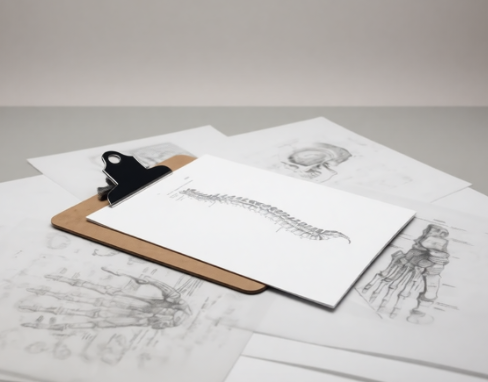
Problems in your lower back can send pain and cramps down into your legs
Conditions like sciatica (when the sciatic nerve gets pinched or irritated) or spinal stenosis (narrowing of the spinal canal) can put pressure on nerves in the lower spine.
That nerve compression often causes pain, tingling, weakness, or even muscle cramps to show up in the legs — even though the actual issue is coming from the back. The discomfort usually feels “referred” down one or both legs, sometimes all the way to the foot or calf.
If leg cramps or pain keep happening along with back trouble, numbness, or weakness, it’s worth having a doctor check it out to see if something like this is going on.
Simple and straight to the point — hope that helps!
Pregnancy

Leg cramps are super common during pregnancy — and there are a few clear reasons why
As the baby grows, the expanding uterus puts extra pressure on the major blood vessels (especially the ones in the pelvis) and on some of the nerves that run down into the legs. That pressure can slow down blood flow and make the leg muscles more prone to suddenly tightening up.
On top of that, pregnancy naturally changes your circulation and blood volume — your body is pumping a lot more blood overall, but it can sometimes lead to slight imbalances in fluids and minerals. These shifts make muscles (especially in the calves and feet) more irritable and likely to cramp — often hitting hardest at night when you’re lying still.
Most pregnant women notice these cramps start or get worse in the second and third trimesters, and they’re usually harmless (though very uncomfortable!). Gentle stretching, staying hydrated, good support for the legs/feet during the day, and talking to your doctor about any persistent issues can help a lot.
Medications

Some common medications can make muscle cramps — especially at night — more likely
A number of widely prescribed drugs are known to occasionally list muscle cramps, leg spasms, or muscle twitching as a side effect. The ones that come up most often include:
- Diuretics (“water pills”) — used for high blood pressure, heart failure, or swelling — because they can cause you to lose extra potassium, magnesium, or other electrolytes that muscles need to stay calm and relaxed
- Statins — cholesterol-lowering medicines like atorvastatin, simvastatin, rosuvastatin — which can sometimes lead to muscle aches, tenderness, or cramping in a subset of people
- Beta-blockers — taken for blood pressure, heart rhythm issues, migraines, or anxiety — which in some cases affect blood flow to muscles or electrolyte balance enough to trigger cramps
Other medications that can occasionally play a role include certain asthma inhalers (like albuterol in high doses), some chemotherapy drugs, certain osteoporosis treatments, and a few others — but the three groups above are the most commonly mentioned culprits.
Alcohol Consumption

Drinking a lot of alcohol can quietly set the stage for more leg cramps
Heavy or frequent alcohol use tends to pull water out of your system — it acts as a diuretic, so you end up peeing out more fluid than you take in. That dehydration alone makes muscles more irritable and prone to cramping.
On top of that, regular heavy drinking can deplete some of the key minerals muscles rely on to stay relaxed and function properly — especially magnesium, potassium, and sometimes calcium. When those levels drop over time, nighttime leg cramps often become more frequent or intense.
It’s not usually an instant “one drink = cramp” situation, but consistently overdoing it with alcohol is one of the lifestyle factors doctors see linked to stubborn, recurring muscle cramps in many people.
Medical Conditions

Some ongoing health conditions can make leg cramps more likely
Problems like diabetes, peripheral artery disease (PAD), or thyroid issues (especially an underactive thyroid) can affect nerve signals, blood flow, or muscle chemistry — all of which can trigger more frequent or stubborn cramps.
If leg cramps are regular and come with other clues (tingling, numbness, cold feet, unusual tiredness, slow-healing sores, etc.), it’s worth mentioning to a doctor to check whether one of these might be involved.
Age

As we get older, our muscles naturally lose some strength and size, and the ones we have tire out more quickly — which is why leg cramps become more common in older adults.
Simple steps that actually help prevent nighttime leg cramps
Most people can cut down on these cramps significantly by paying attention to a few everyday habits:
- Drink enough water during the day Staying well-hydrated keeps your muscles happier and helps maintain proper electrolyte levels. You don’t need to chug gallons — just aim for steady sips so you’re not starting the day (or ending it) already behind.
- Eat foods that give your muscles the minerals they need Focus on getting enough potassium (bananas, oranges, potatoes, spinach, avocados), magnesium (nuts, seeds, dark chocolate, whole grains, beans), and calcium (yogurt, milk, cheese, kale, fortified plant milks). A varied diet usually covers it without needing supplements for most people.
- Stretch your calves and hamstrings every day A short 2–5 minute routine before bed can make a surprisingly big difference. Gentle wall calf stretches, seated hamstring reaches, or simply pointing/flexing your feet a few times helps keep the muscles longer and less twitchy.
- Move regularly — but don’t overdo it Moderate daily activity like walking, swimming, or light cycling improves blood flow and keeps muscles from getting overly stiff or weak. On the flip side, very intense workouts without warm-up/cool-down can actually increase cramp risk the next night.
- Choose shoes that support your feet Supportive, cushioned footwear (especially if you stand or walk a lot) reduces extra strain on your legs. Flat, worn-out, or unsupportive shoes can quietly contribute to muscle fatigue and cramping.
- Check in about your medications Some common drugs (diuretics, statins, certain blood pressure meds) list cramps as a possible side effect. If the timing lines up, talk to your doctor — they can often adjust the dose, switch medicines, or suggest simple ways to offset the effect.
- Go easier on alcohol Heavy or frequent drinking dehydrates you and depletes magnesium and other minerals, which makes cramps more likely. Cutting back (or spacing drinks with water) helps many people notice a real improvement.
When to get it checked Occasional cramps are normal and usually harmless. But reach out to a doctor if they’re happening often, feel very severe, wake you up multiple times a week, or come with swelling, redness, warmth, numbness, weakness, or skin changes in the legs. Those can sometimes point to something else that needs attention.
Small, consistent changes usually bring the biggest relief. Many people find that combining better hydration + daily stretching + decent mineral intake knocks out most of their nighttime cramps within a couple of weeks.