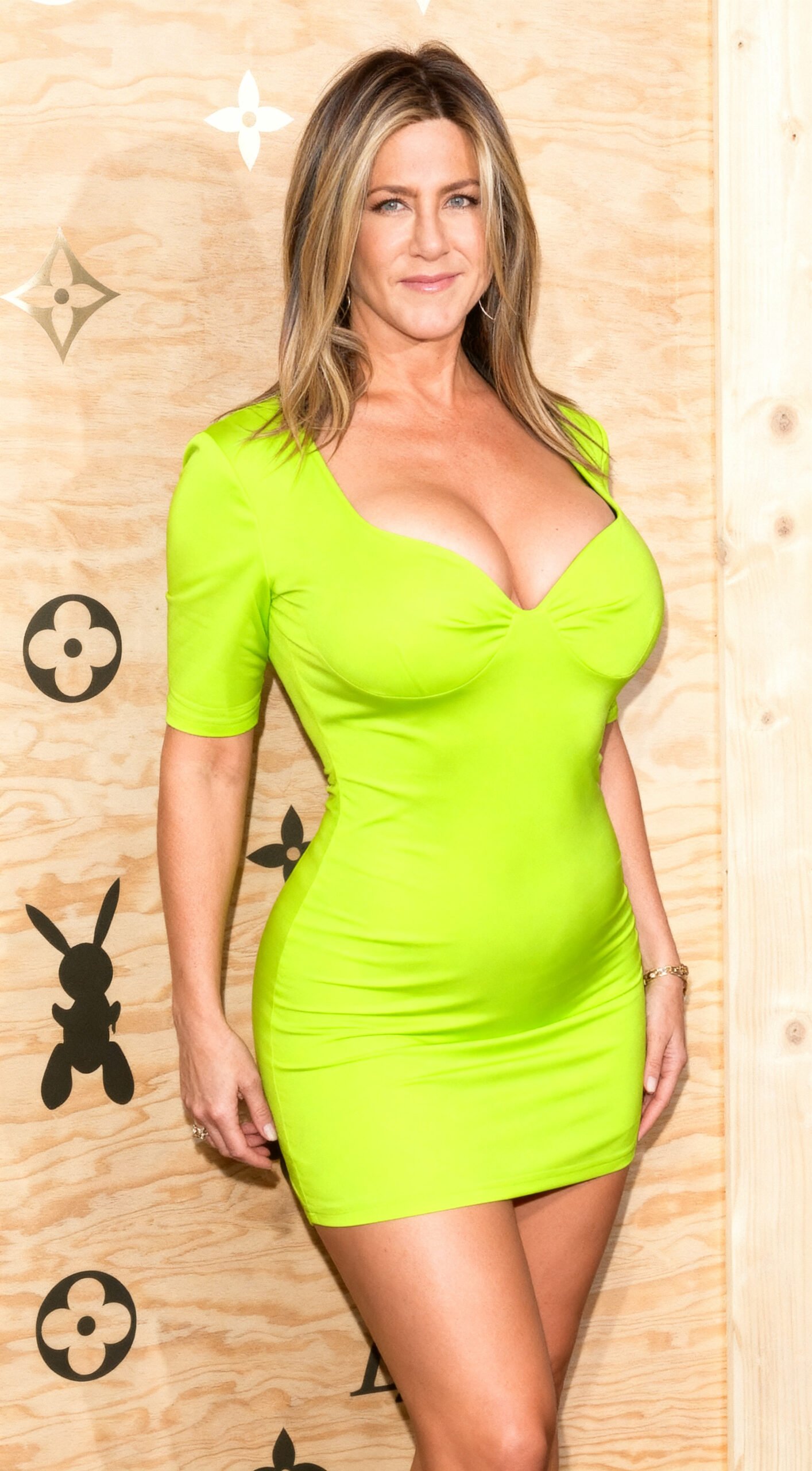
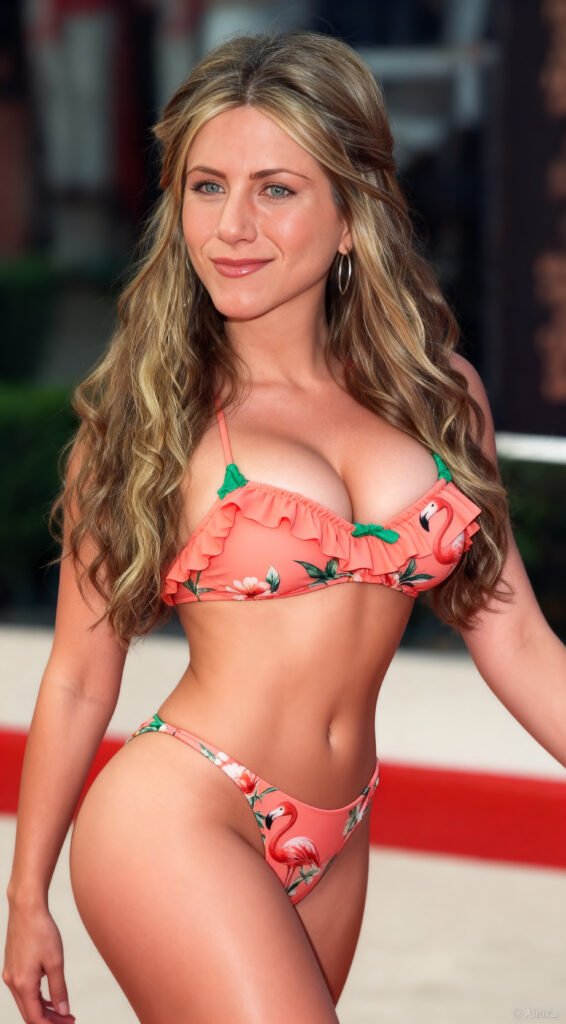
Some stars are built on glamour, drama, or constant reinvention. Jennifer Aniston built her career on something quieter and far rarer: showing up as a real, flawed, funny human being — over and over — in ways that make you feel like she could be your friend.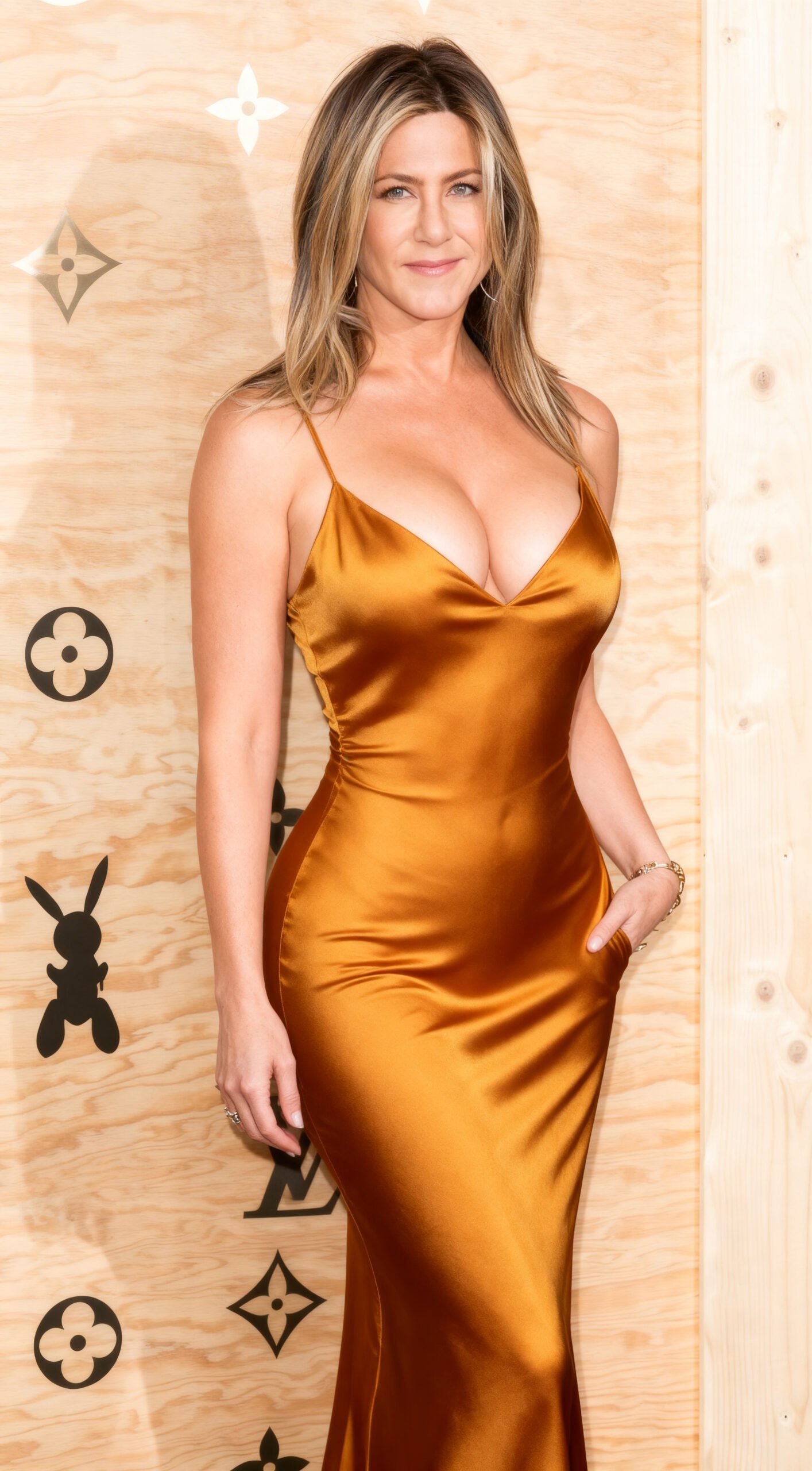
Born on February 11, 1969, in Sherman Oaks, California, she grew up in a show-business family. Her father, John Aniston, was a well-known soap opera actor (best remembered as Victor Kiriakis on Days of Our Lives); her mother, Nancy Dow, was a model and actress. Despite the Hollywood roots, her childhood wasn’t all red carpets — she spent time in New York, went to a performing arts high school, and worked regular jobs (waitressing, telemarketing) while auditioning.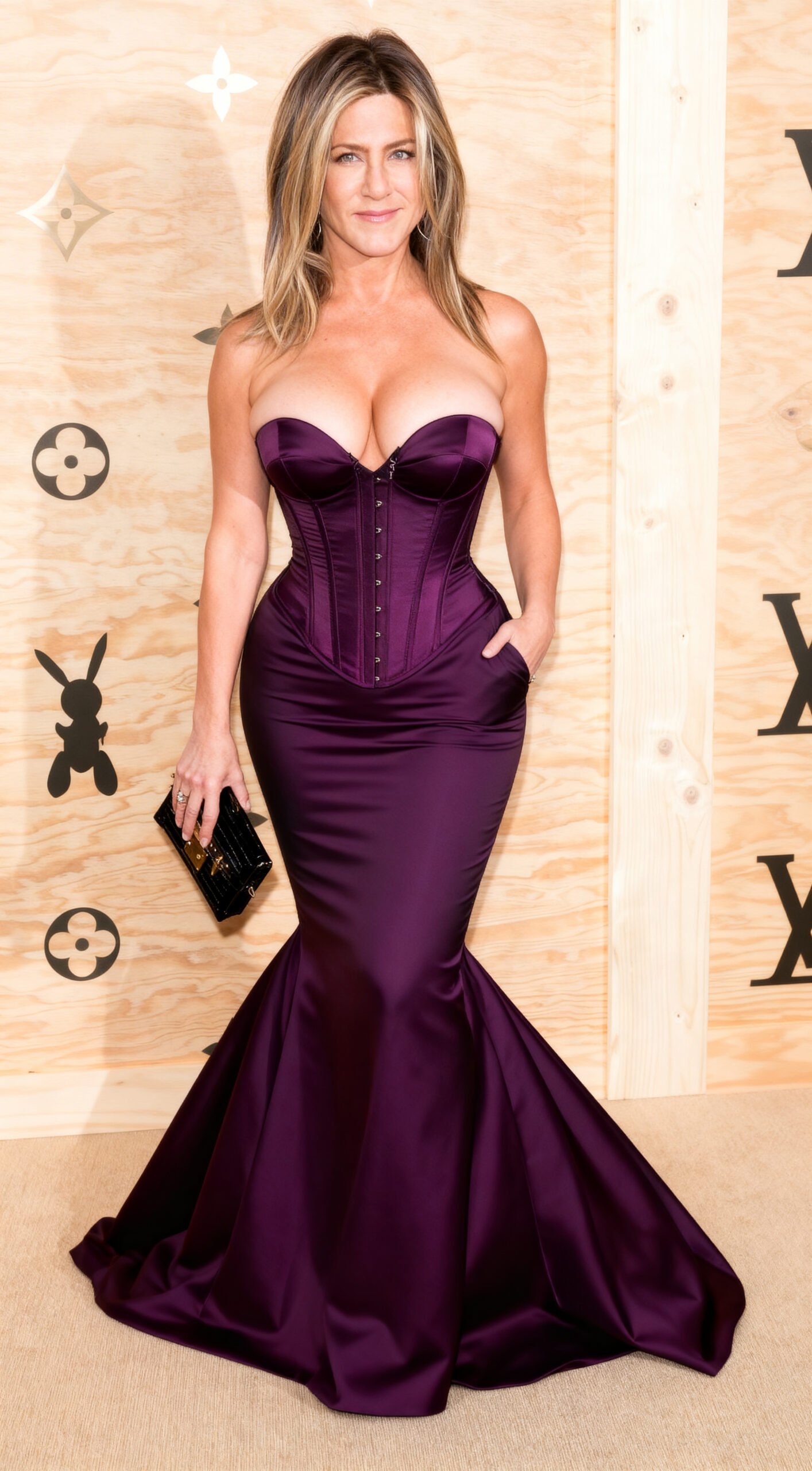
Her early years were full of small TV roles and bit parts — Molloy, Ferris Bueller, The Edge — nothing that stuck. Then, in 1994, she landed the role of Rachel Green on Friends. What started as “the girl with the wedding dress running into Central Perk” became one of television’s most iconic characters: funny, messy, romantic, insecure, loyal, and deeply human. The show ran for 10 seasons (1994–2004), made her a global household name, and earned her an Emmy and a Golden Globe.
But she never let Friends be the end of the story.
Post-Friends, she deliberately chose roles that showed range:
- Romantic comedies (The Break-Up 2006, Marley & Me 2008, Just Go with It 2011)
- Dramas (Cake 2014 — Golden Globe nomination for her raw performance as a woman in chronic pain)
- Ensemble dark comedy (Horrible Bosses 2011 & 2014, Office Christmas Party 2016)
- Thriller/drama (The Morning Show 2019–present — Emmy and SAG wins as Alex Levy)
- Producing and executive-producing (multiple projects through her company Echo Films)
She’s never been afraid to play women who are complicated, aging, angry, vulnerable, or imperfect. That refusal to always be “the pretty one” made her feel trustworthy and real on screen.
Off-screen she’s stayed just as grounded. She’s been open about the intense media scrutiny of her personal life — especially the tabloid obsession with her marriages (to Brad Pitt 2000–2005, to Justin Theroux 2015–2018) and fertility struggles. 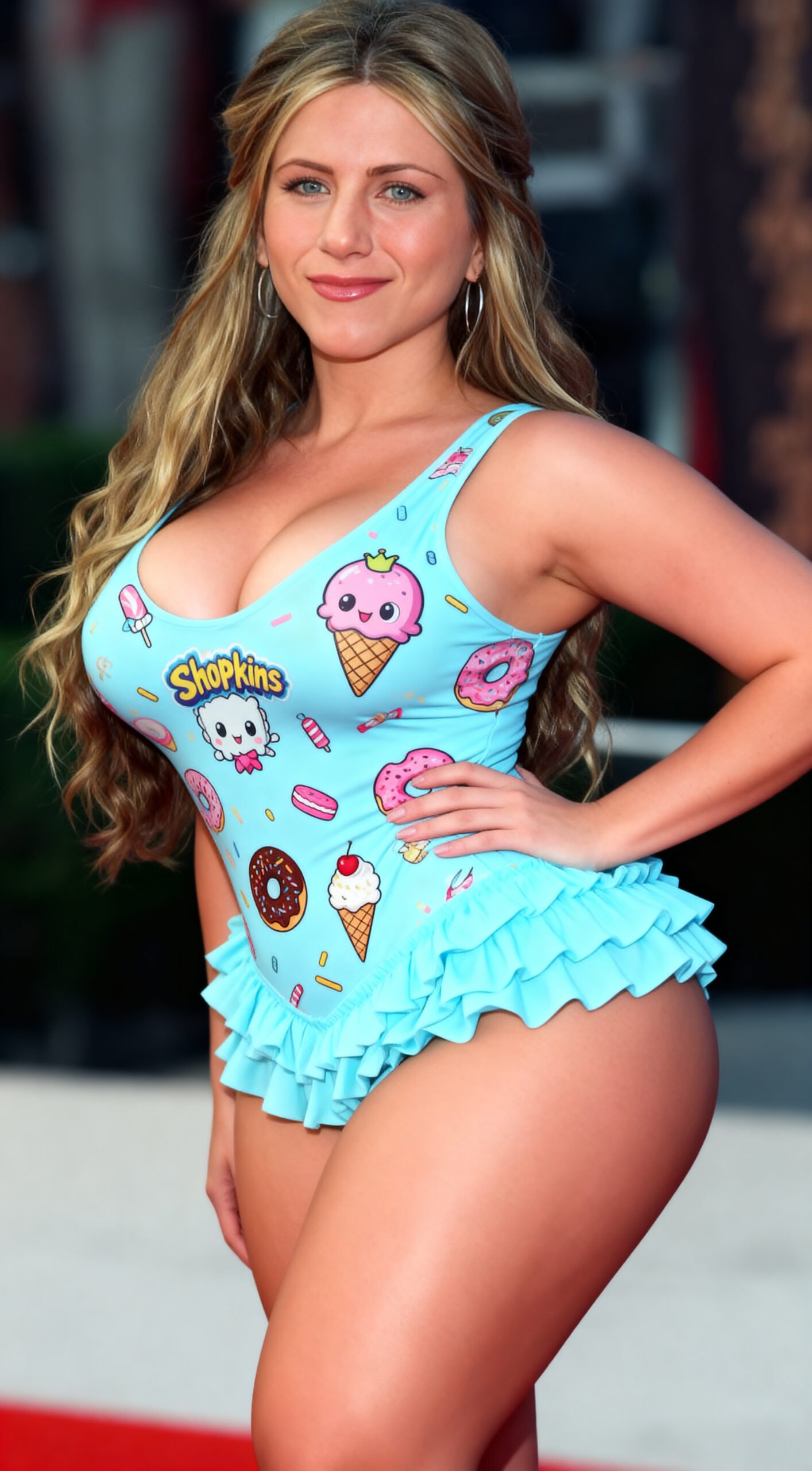 She’s spoken candidly about the pressure women face to “have it all,” about aging in Hollywood, about body image, about grief (losing her mother in 2016). She’s funny, self-deprecating, and never pretends everything is perfect — which makes her feel like someone you could actually talk to.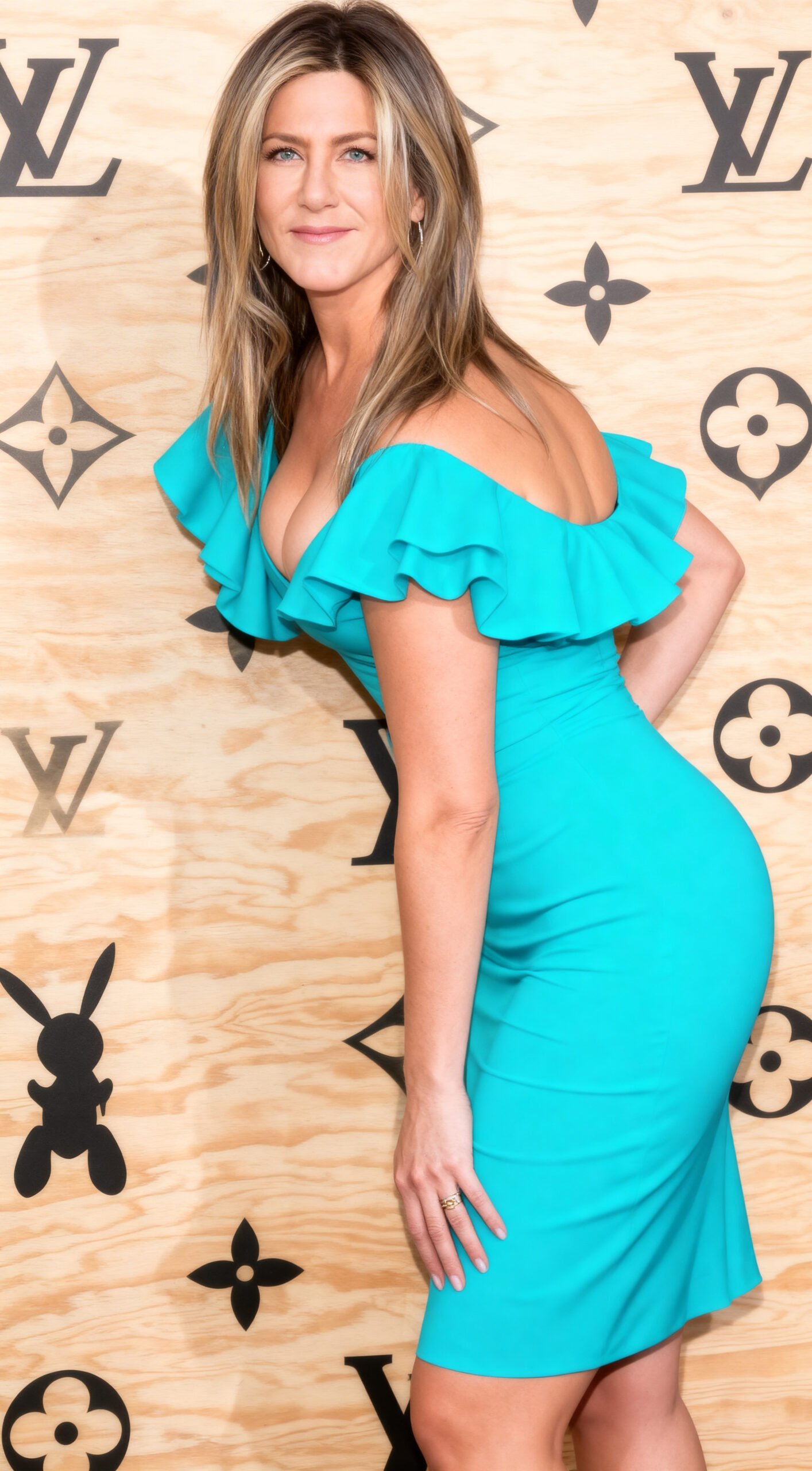
She’s also built a business empire quietly: haircare line (LolaVie), endorsements (Emirates, Aveeno), producing, and philanthropy (St. Jude Children’s Research Hospital, Stand Up to Cancer). She doesn’t flood social media with curated perfection — she posts real moments, funny captions, and her dogs.
By 2025–2026 she’s still very much present. The Morning Show continues to be a critical and commercial success. She’s done smaller films, voice work, and producing — always with the same integrity. She doesn’t chase trends or play the “ageless Hollywood icon” card. She’s just… there. Still funny. Still kind. Still willing to be vulnerable.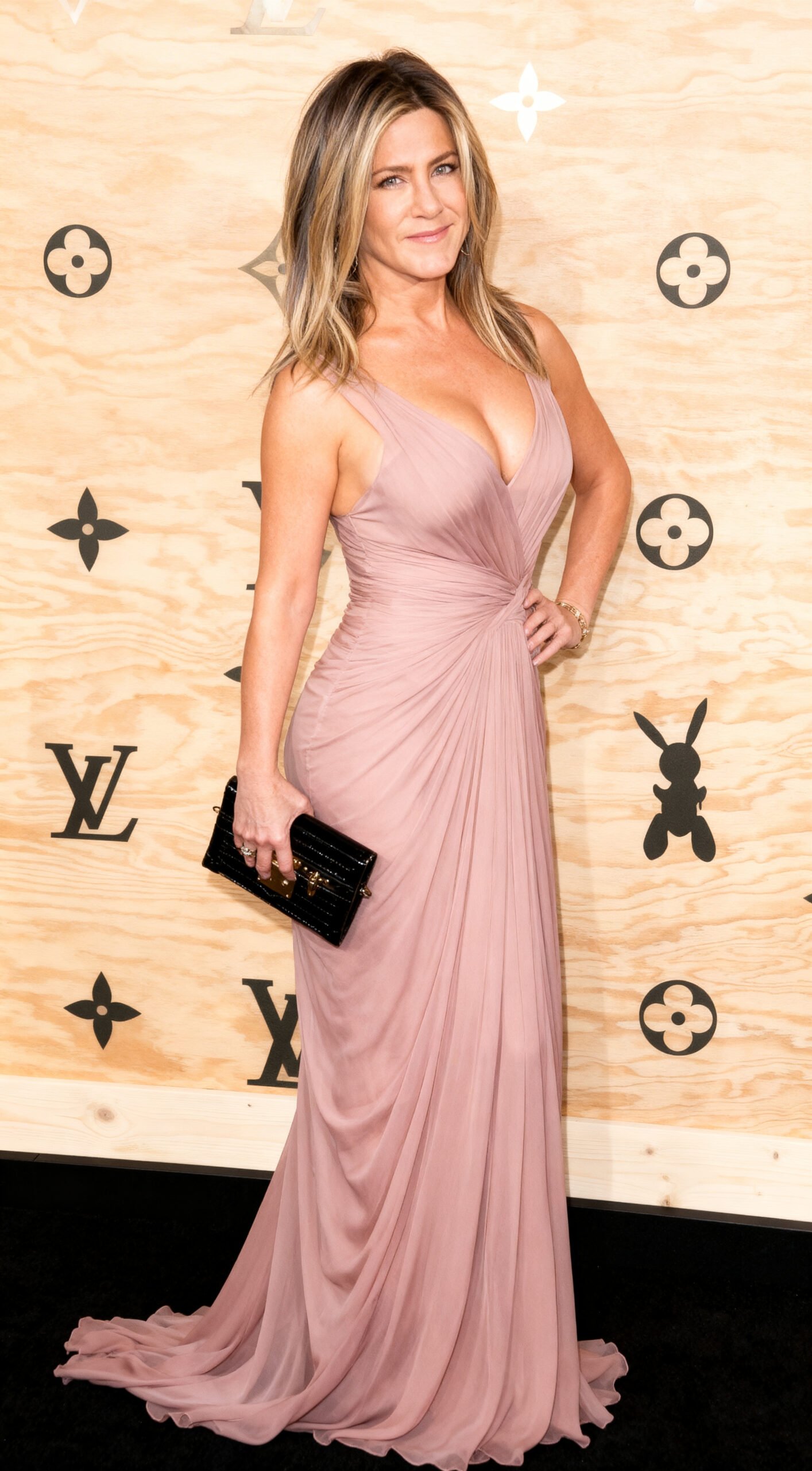
In an industry that can be brutal — especially for women moving into their 50s and beyond — Jennifer Aniston is proof that you don’t have to disappear after your “moment.” You can stay present. Stay real. Stay working. And still feel like someone people genuinely root for.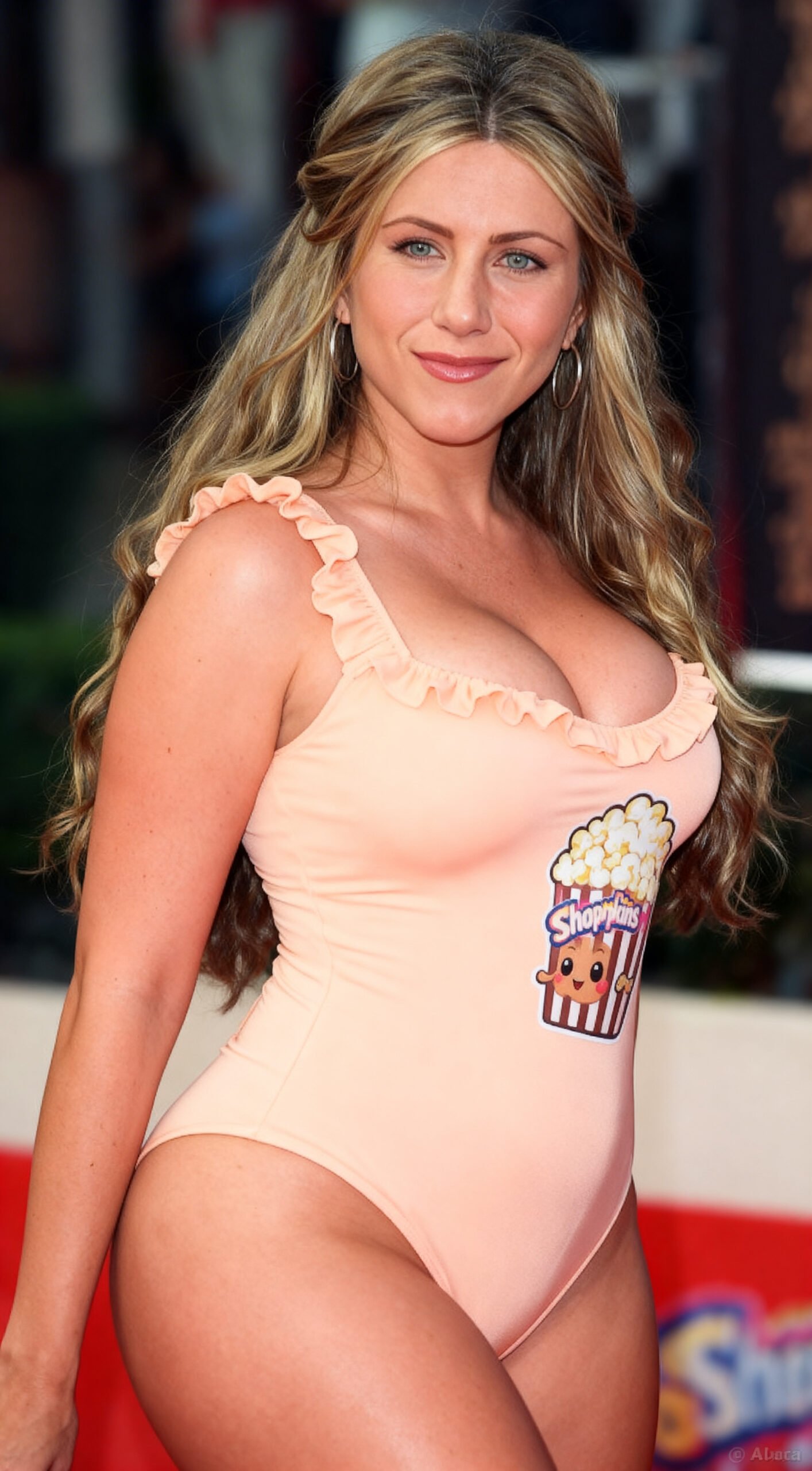
She’s not the loudest or most controversial name in the room. She’s just… there. Warm. Reliable. Approachable.
And after more than three decades, that’s rarer — and more valuable — than any Emmy or box-office record.