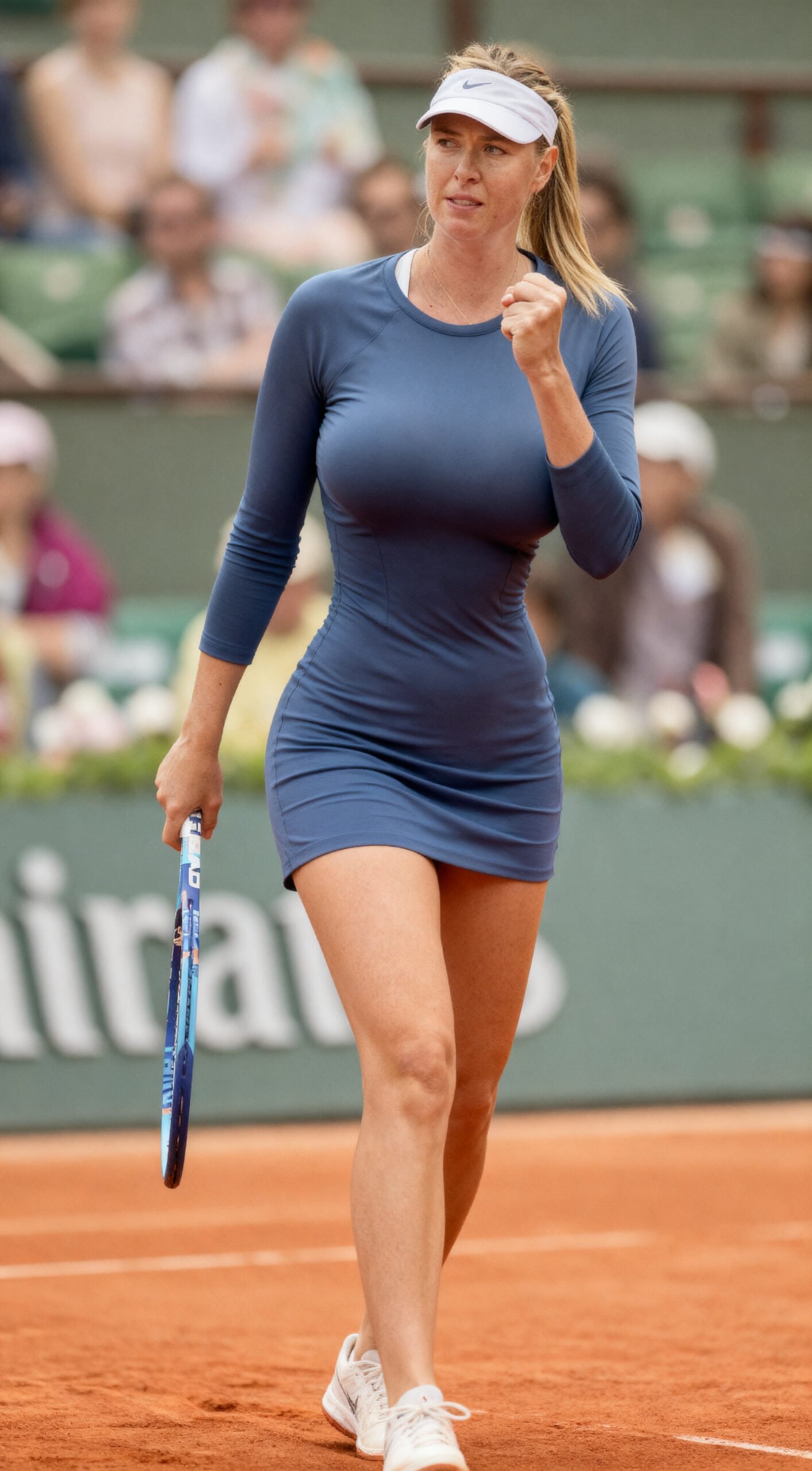
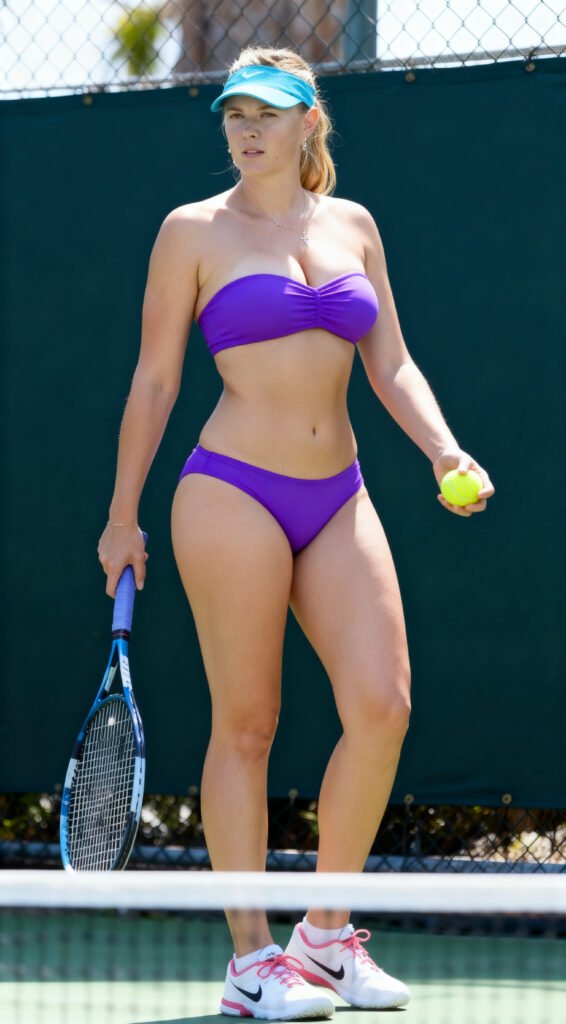
There’s something about Maria Sharapova that stays with you long after she’s left the court. It’s not just the five Grand Slam titles or the years she spent as world No. 1. It’s the way she carried herself — fierce, focused, unflinching — and then turned that same intensity into a second act that’s every bit as impressive as her first.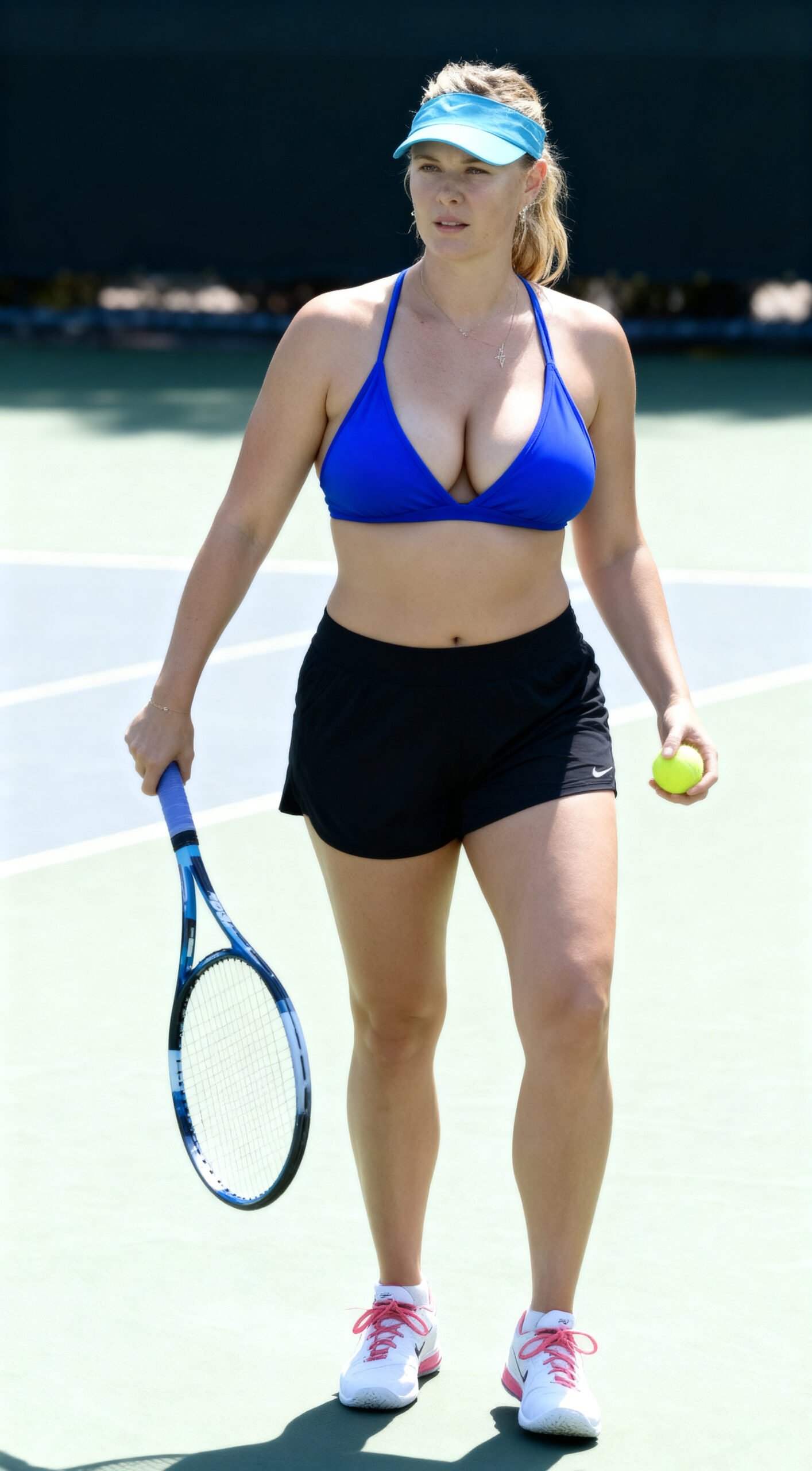
Born April 19, 1987, in Nyagan, Siberia, Maria grew up in a modest family. Her father worked construction; her mother had been an athlete. Tennis came into her life at age four when a friend gave her an old racket.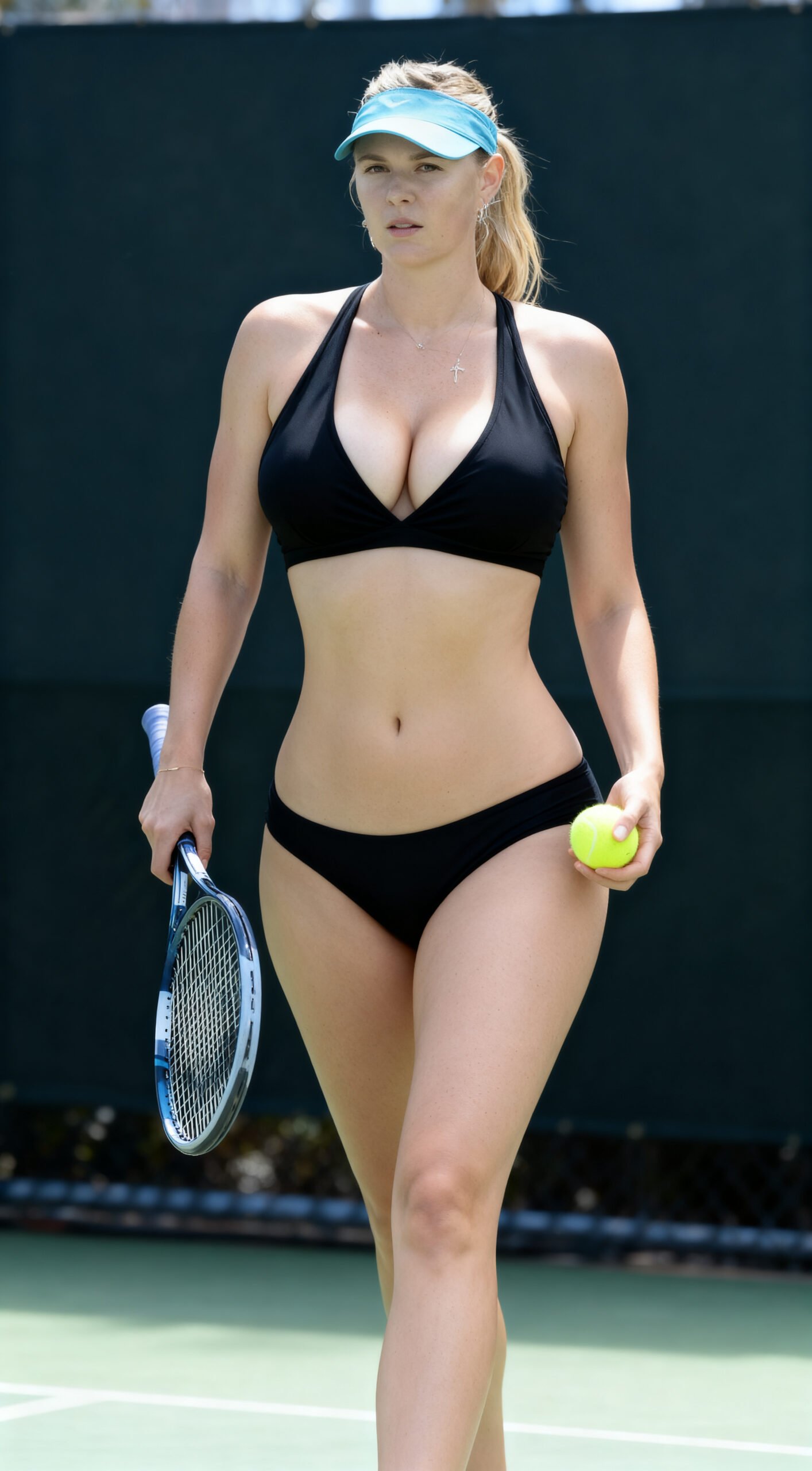 She showed so much promise that, at just seven years old, she and her father moved to Florida so she could train at the famous Nick Bollettieri Academy. Her mother couldn’t join them for two years because of visa issues. That kind of early sacrifice — leaving home, learning a new language, practicing for hours every day — set the tone for everything that followed.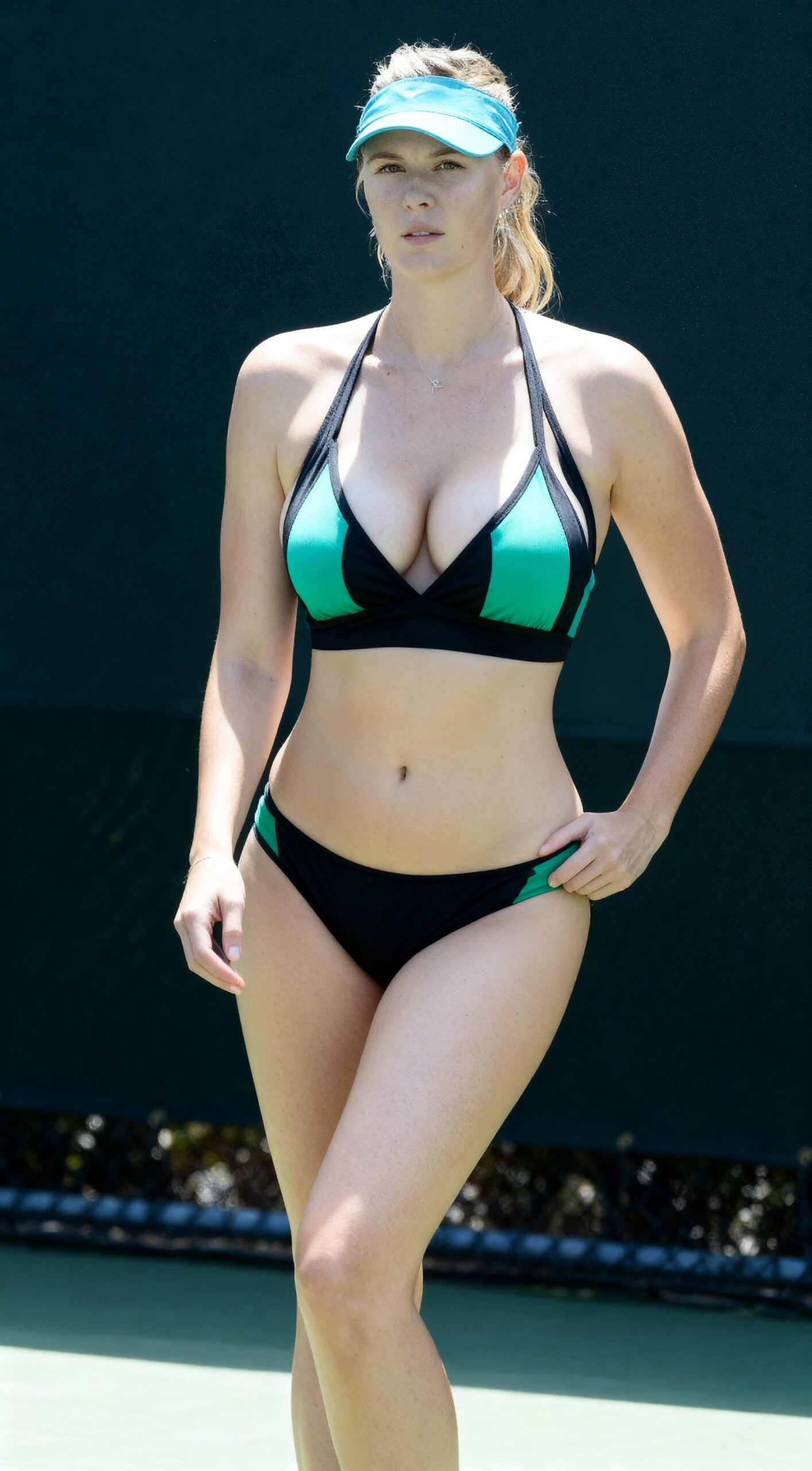
She turned professional in 2001 at 14. By 2003 she was winning WTA titles. Then came 2004: at 17, she stunned the tennis world by beating two-time defending champion Serena Williams in the Wimbledon final. She became the first Russian woman to win the title and one of the youngest champions in Wimbledon history. The moment was electric — and it launched “Maria Mania.”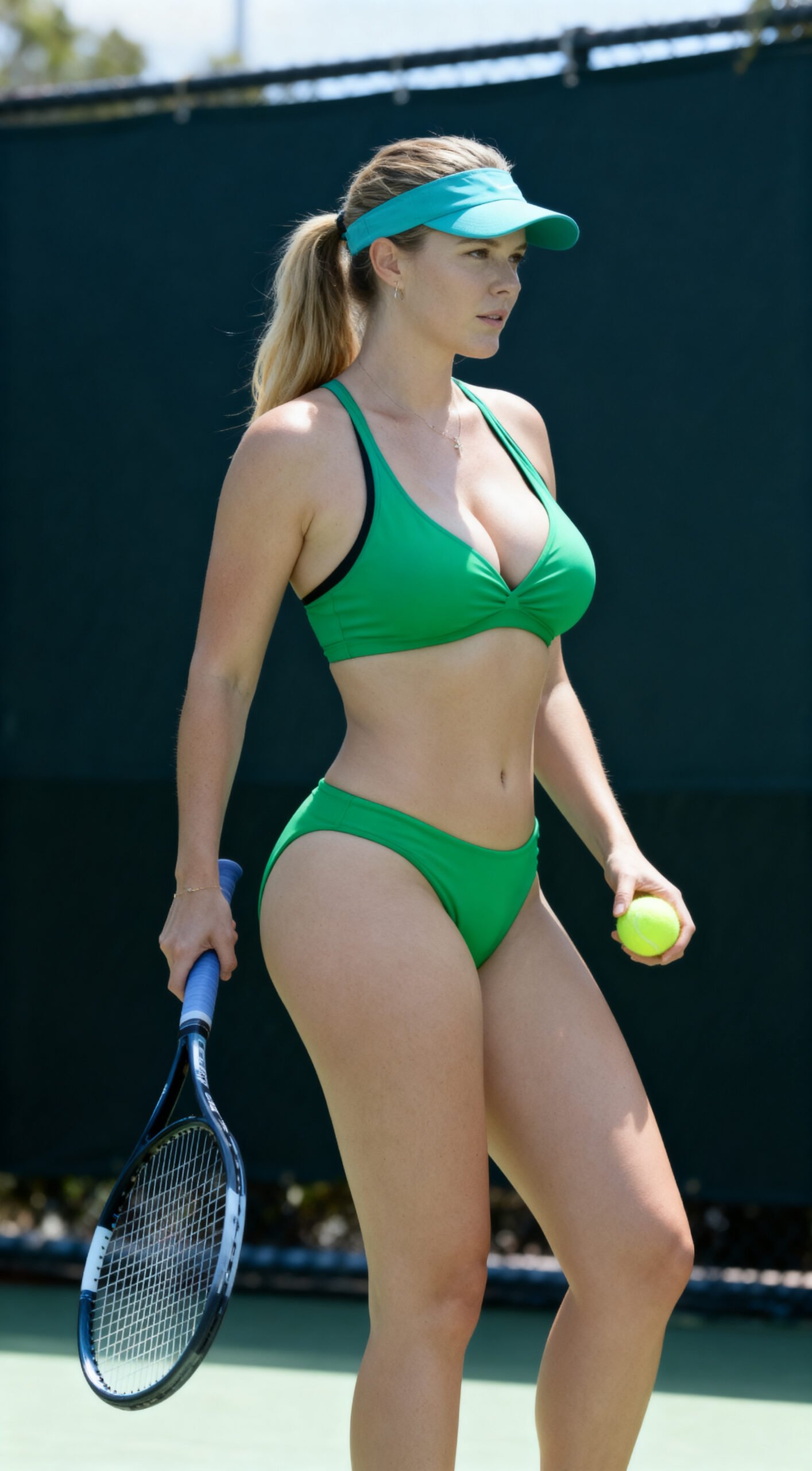
She reached world No. 1 for the first time in 2005, holding the top spot for 21 weeks across her career. In 2006 she won the US Open. In 2008 came the Australian Open. 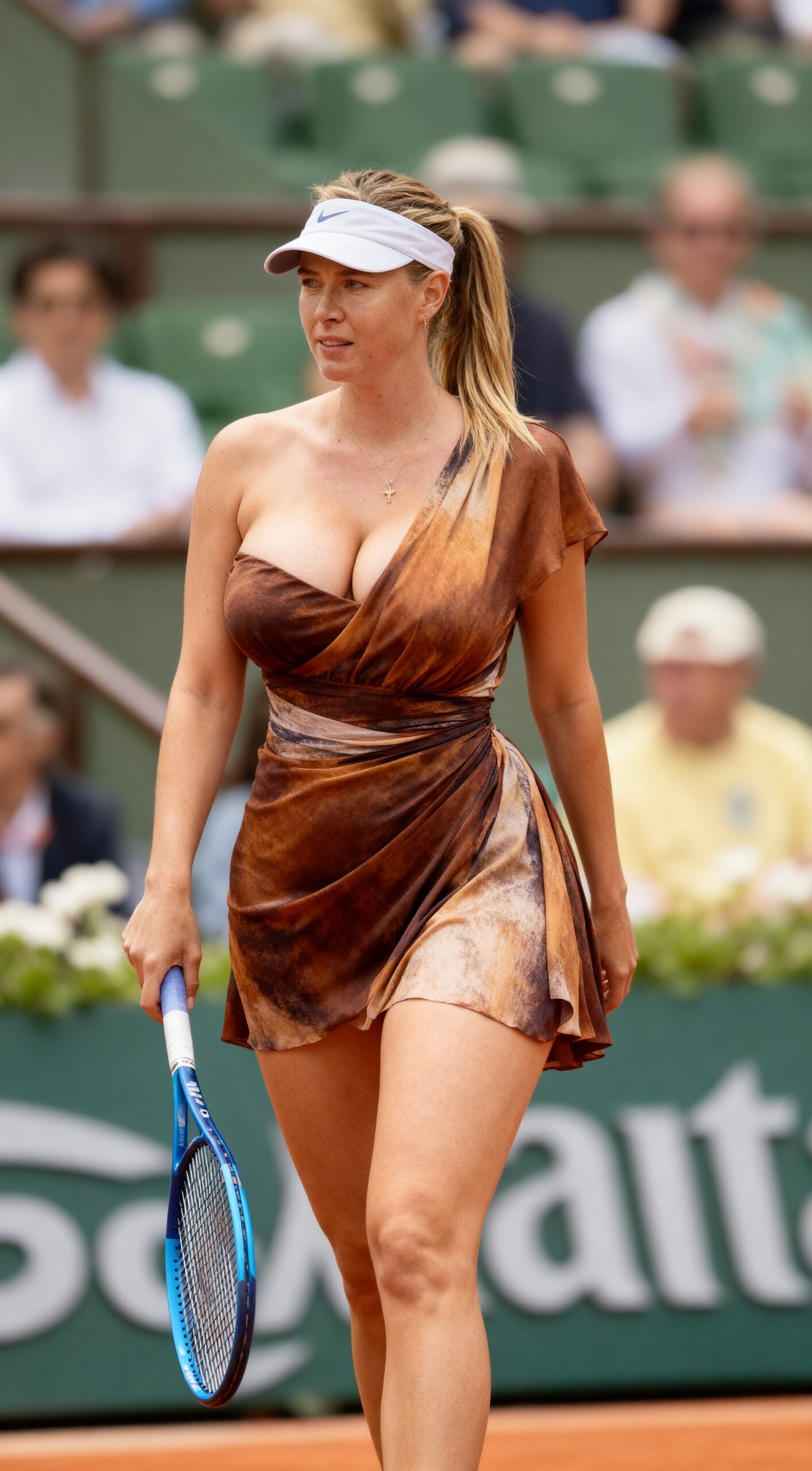 After a major shoulder injury and surgery that sidelined her for nearly a year, she fought back to win the French Open in 2012 — completing the career Grand Slam — and again in 2014. In total, she won five majors, 36 WTA singles titles, and more than $38.7 million in prize money, placing her among the all-time leaders on the WTA.
Off the court, she became a commercial force. For 11 straight years, Forbes named her the world’s highest-paid female athlete, peaking at around $30 million in 2015. Endorsements with Nike, Porsche, Evian, TAG Heuer, and others helped her build career earnings (including off-court income) estimated between $285 million and $325 million by the time she retired.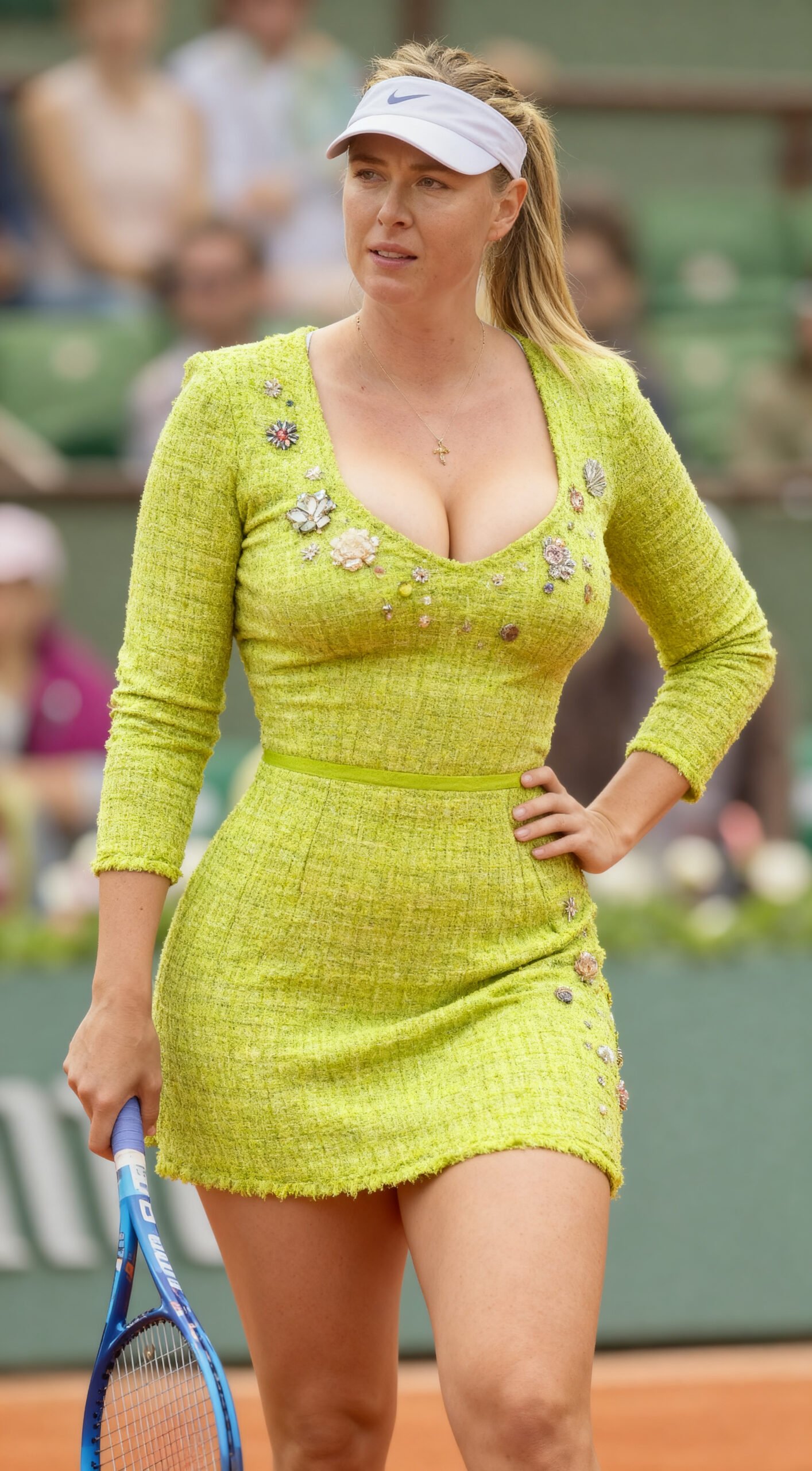
But 2016 brought a major challenge. She tested positive for meldonium, a substance newly banned by WADA. She explained it had been prescribed for health reasons and that she hadn’t been adequately warned about the change. After an appeal, her initial two-year ban was reduced to 15 months. She returned in 2017, won the Stuttgart title that year, but recurring injuries limited her play. Her final match was a first-round loss at the 2020 Australian Open. On February 26, 2020, at age 32, she announced her retirement in a thoughtful essay, citing the shoulder that no longer allowed her to compete at the level she expected of herself.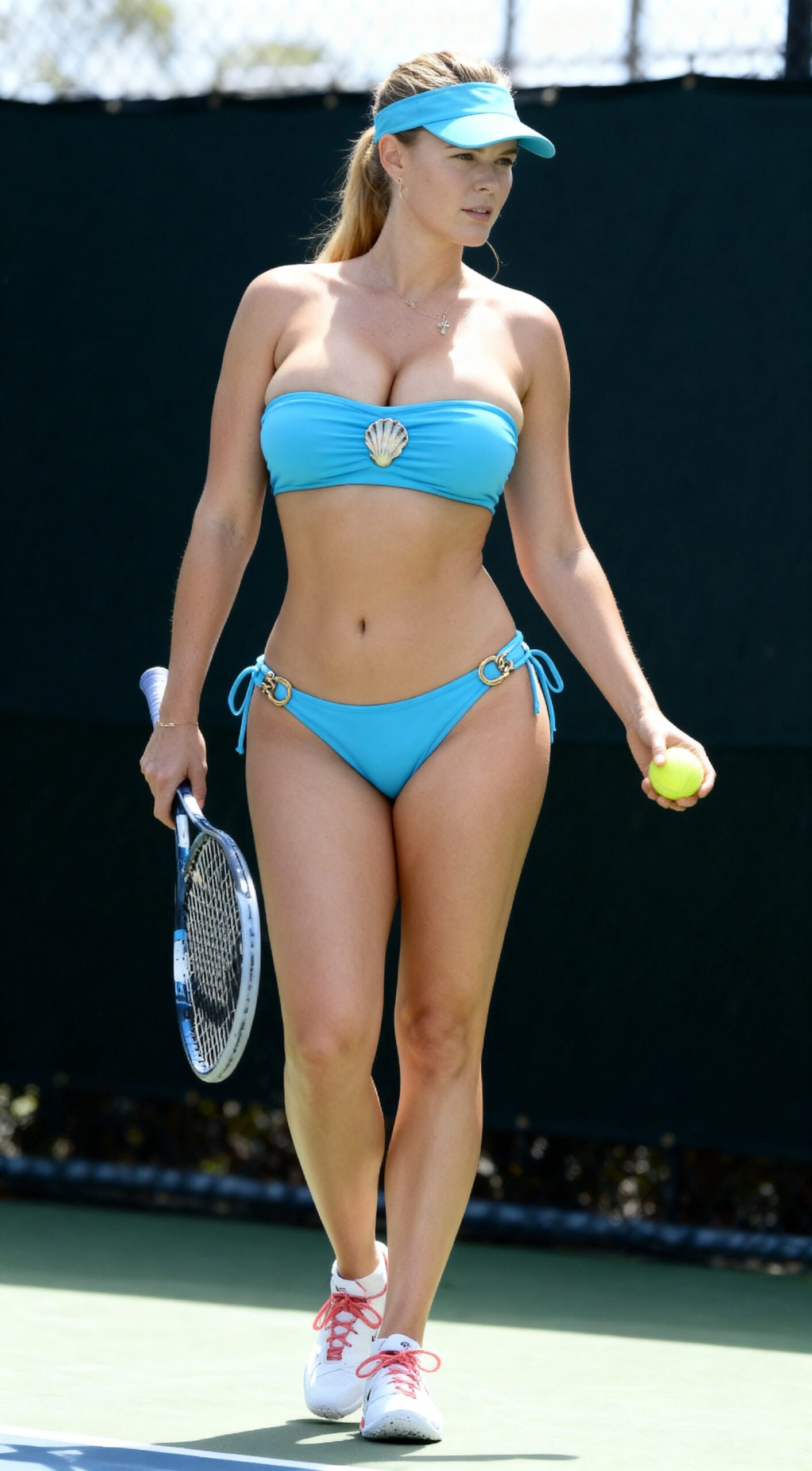
Since then, she’s built a remarkable second chapter. She founded Sugarpova, a confectionery brand, and later sold a majority stake. She became an independent director at luxury brand Moncler, invested in wellness and fertility companies (including Cofertility), and grew a diversified venture portfolio focused on high-growth sectors. She’s mentored women entrepreneurs, served as a UNDP Goodwill Ambassador, and stayed connected to tennis through commentary and events.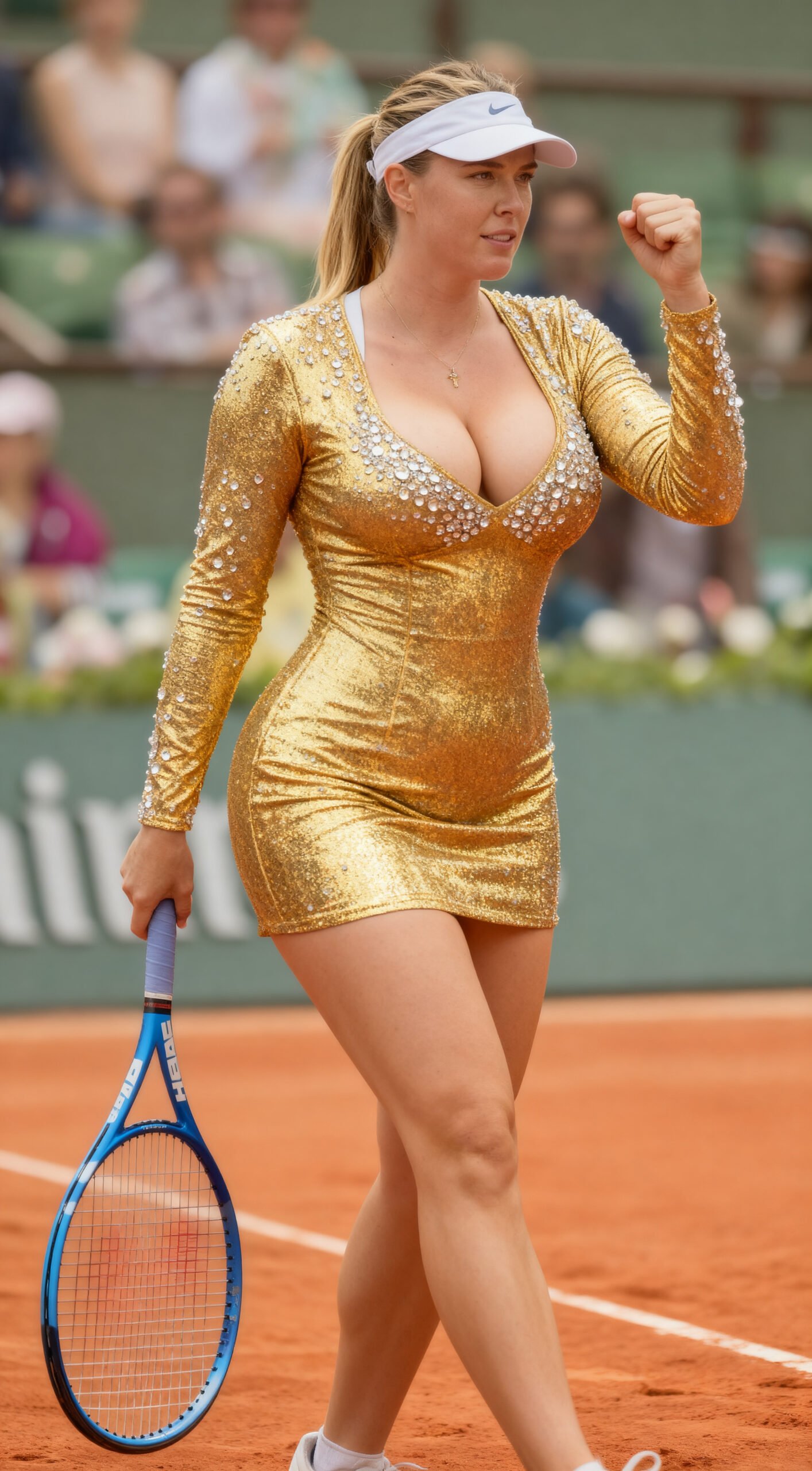
In 2025 she received one of the sport’s highest honors: induction into the International Tennis Hall of Fame (Class of 2025, ceremony held August 23 in Newport, Rhode Island). Serena Williams introduced her — a powerful full-circle moment between two icons who defined an era. Sharapova spoke about discipline, resilience, and how the lessons from tennis still guide her as a mother and businesswoman.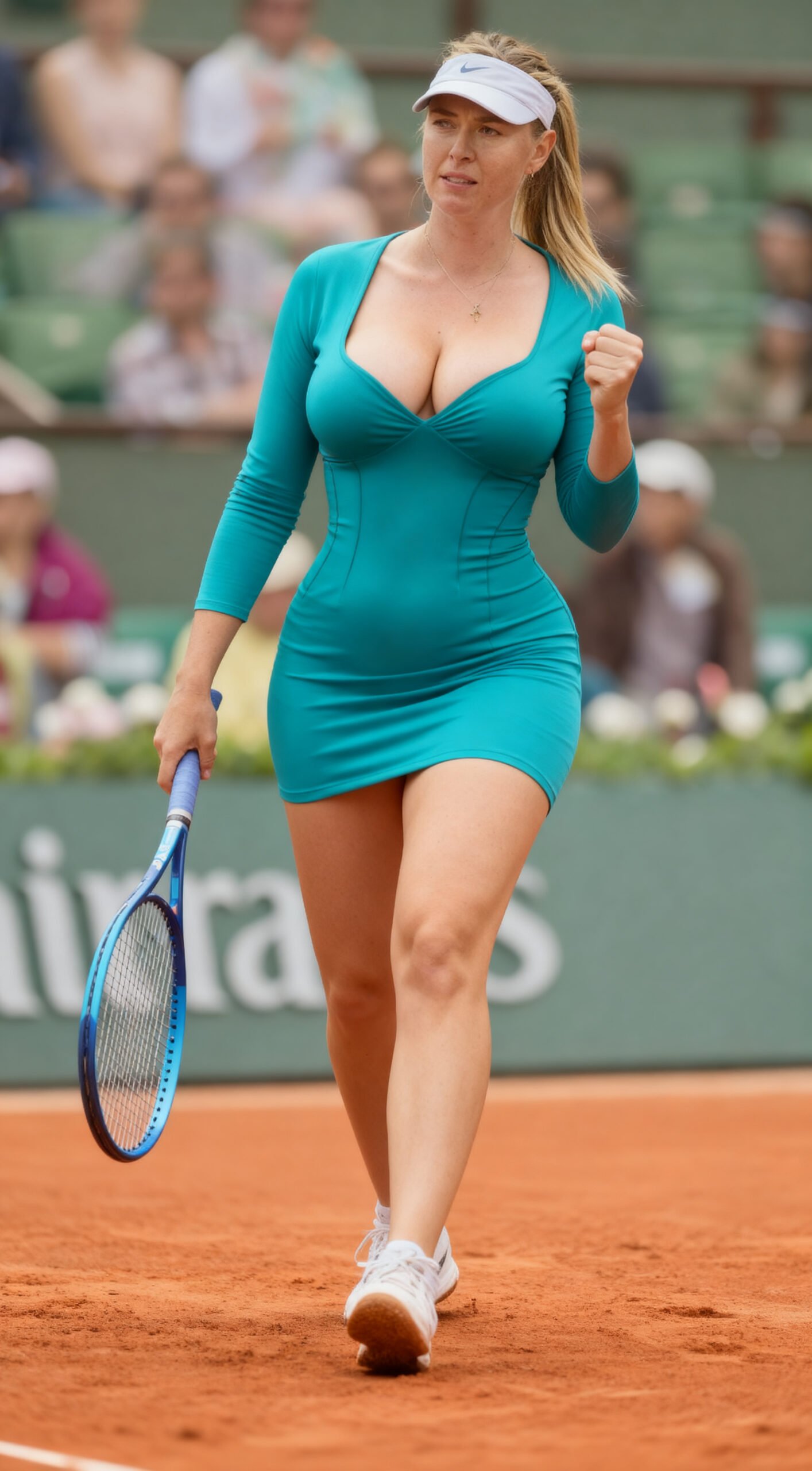
Today, in 2026, she balances life as a mom (she has a young son), strategic investor, board member, and philanthropist. She’s been spotted hitting for fun again, sharing glimpses of family moments, and quietly expanding her influence in fashion, wellness, and tech.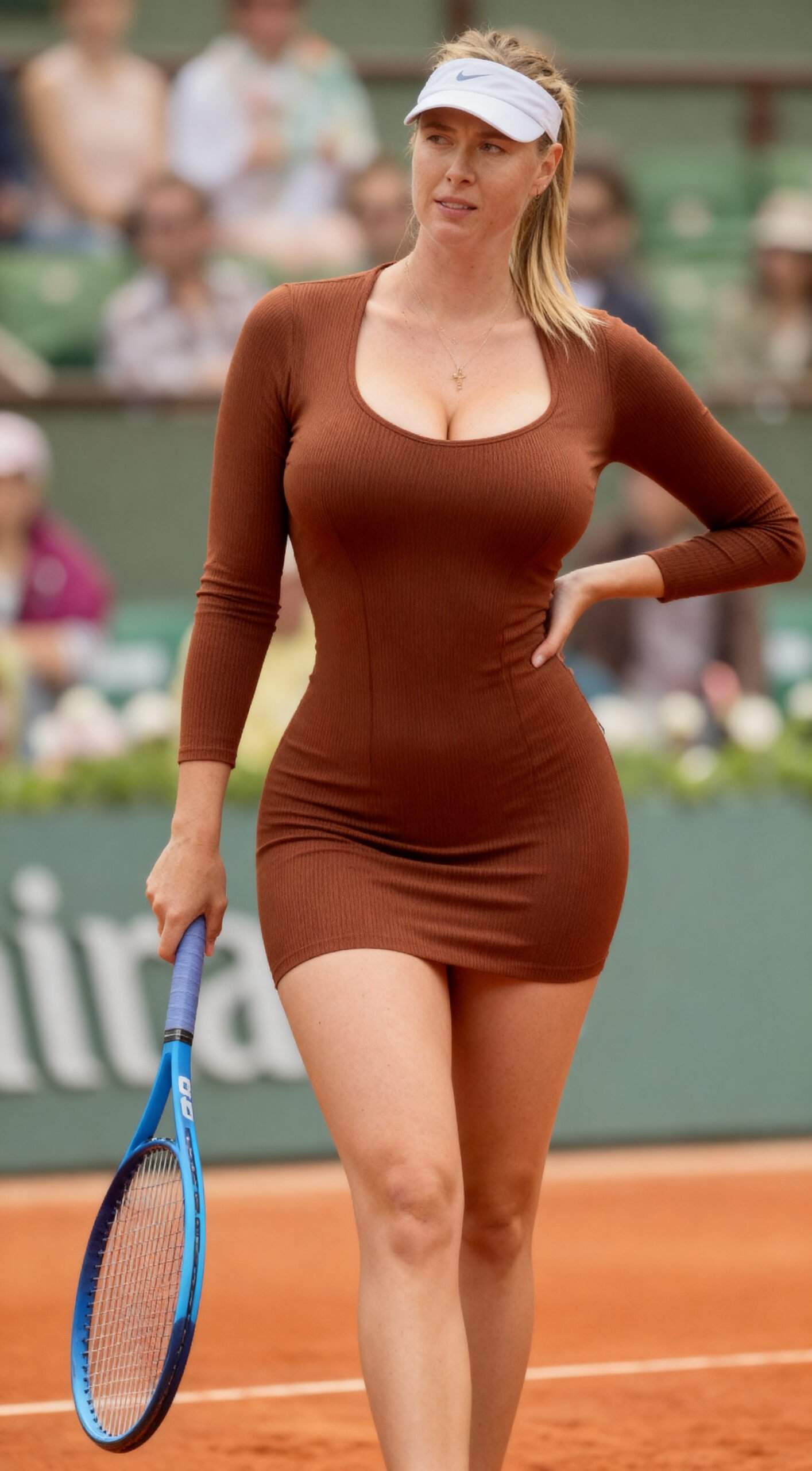
What makes Maria Sharapova special isn’t only the trophies or the rankings. It’s the way she refused to be defined by any single chapter. She dominated the sport, navigated setbacks with honesty, and then reinvented herself completely. On the court she was relentless; off it she’s strategic, thoughtful, and still breaking barriers. She showed that true champions don’t just win titles — they build legacies that last long after the last ball is struck.