
There are people who treat every new birthday like a deadline they must outrun. Monica Bellucci has never seemed to be in that race. She moves through the years with the same calm, unhurried presence she has always had, and somehow — almost paradoxically — becomes more vivid, more complete, more arresting the longer she continues.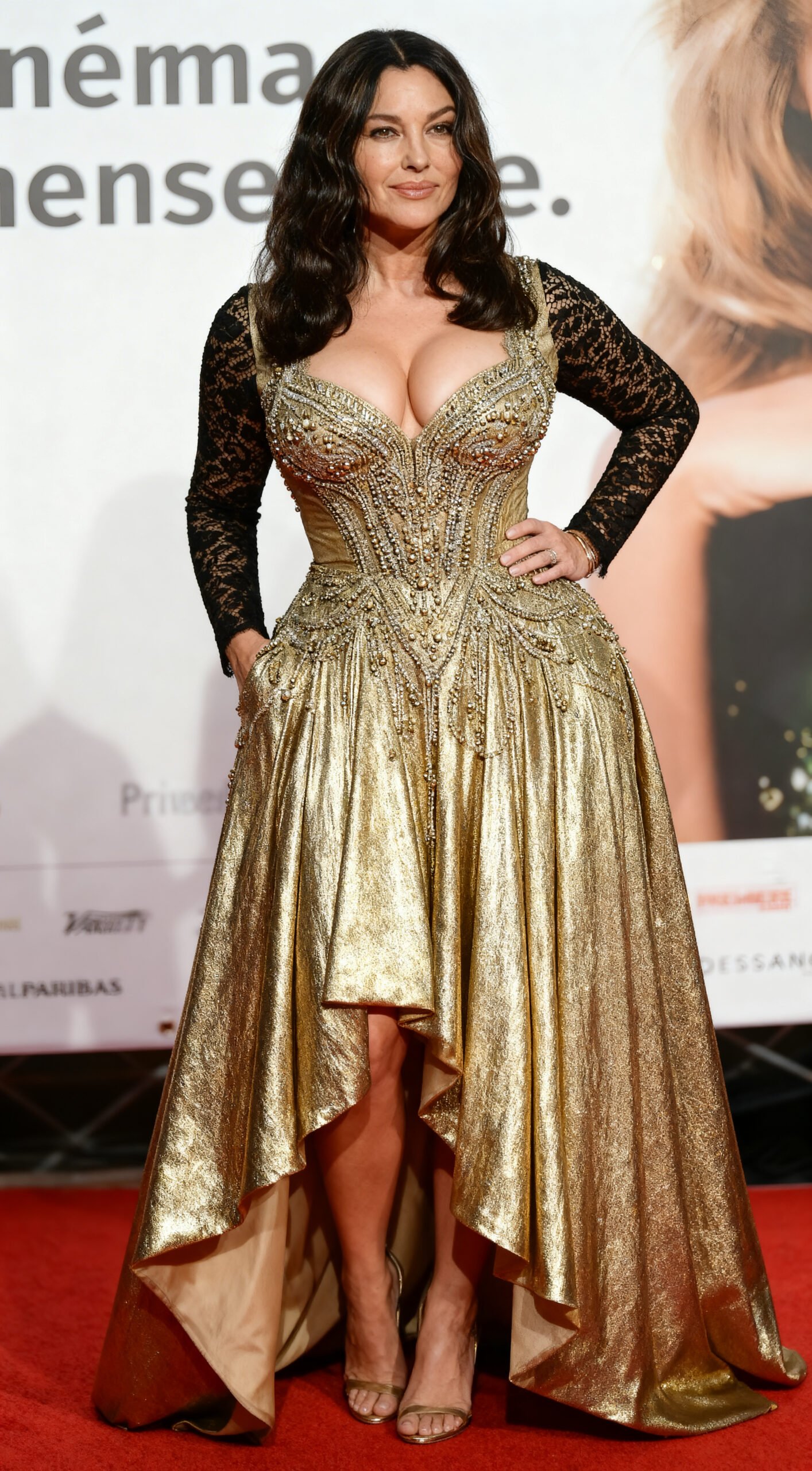
She entered the world on September 30, 1964, in the quiet Umbrian town of Città di Castello. An only child, raised by a father who worked the land and a mother who painted, her early life was ordinary in the best Italian sense: family meals, small-town rhythms, no inherited fame. As a teenager she chose law at the University of Perugia. She still speaks of those years with a certain fondness — the neatness of statutes, the satisfaction of logical argument. Yet life has a way of bending even the most orderly plans.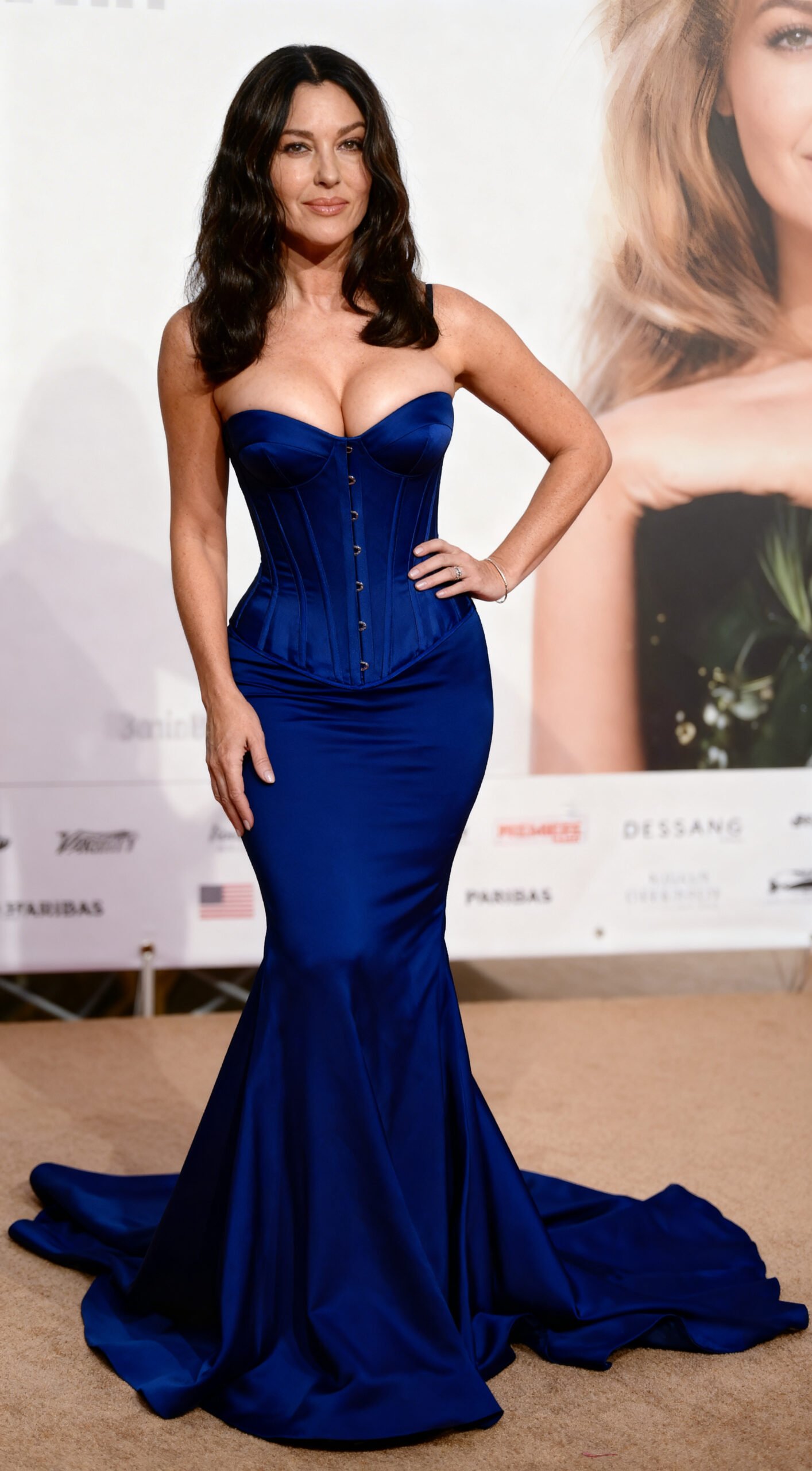
To help pay for her studies she began modeling part-time. Within a few years Milan had claimed her: runways, Dolce & Gabbana campaigns, Dior, Cartier. The camera loved her face — the strong features, the full mouth, the gaze that could be both direct and distant. But modeling was never the destination; it was the doorway. By the early 1990s she was already moving into acting — first Italian television, then feature films — and in 1992 Francis Ford Coppola gave her a small but unforgettable role in Bram Stoker’s Dracula. That single appearance opened the international stage.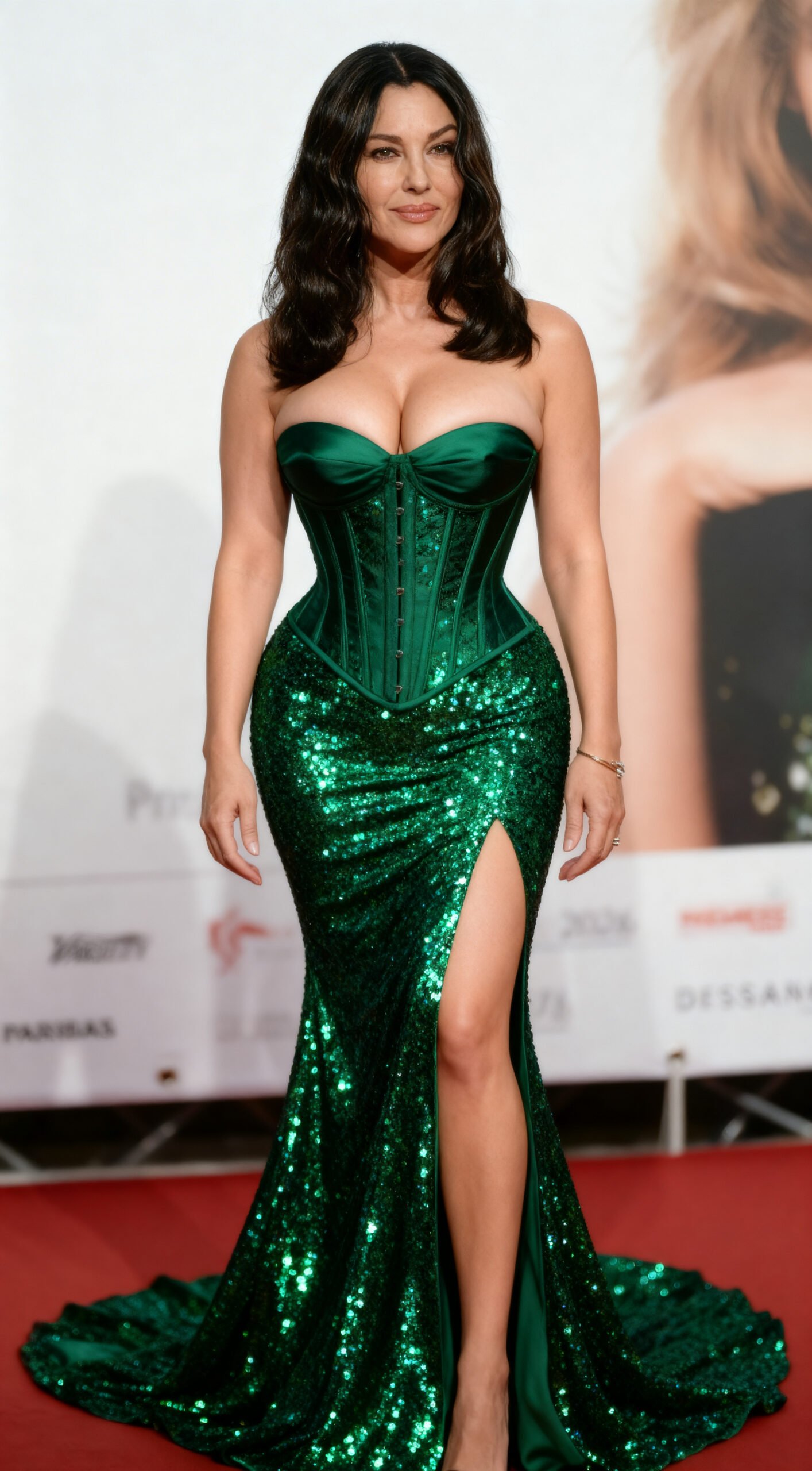
From there her career refused to stay within any single border or genre. She worked with the Wachowskis (The Matrix Reloaded and Revolutions), Mel Gibson (The Passion of the Christ), Gaspar Noé (Irréversible), Paolo Sorrentino (The Young Pope and The New Pope), Tim Burton (Beetlejuice Beetlejuice in 2024). One of the most widely discussed moments came in 2015 when — at fifty — she became the oldest woman ever cast as a Bond girl in Spectre. Lucia Sciarra was never merely decorative; she was intelligent, dangerous, entirely in possession of herself. The role felt like a quiet but unmistakable statement: presence and authority matter more than calendar age.
She has always moved between extremes with the same ease: mafia comedies (Mafia Mamma in 2023), poetic arthouse dramas, mainstream glamour, European intensity. In 2021 her own country awarded her a special David di Donatello for lifetime contribution to Italian cinema — recognition that arrived late but carried the weight of genuine respect.
The films, however, are only part of the reason she remains so compelling.
The larger part is the way she speaks — and does not speak — about time.
She has never enlisted in the public campaign against aging. Never pretended that lines, gravity or changing skin are adversaries to be defeated with procedures and filters. In interview after interview she returns to the same serene, almost gentle truths:
- “I want to grow old peacefully, without fighting time.”
- “I’ve aged without asking anyone’s permission.”
- “True beauty is what you carry in your eyes, not what you try to erase from your face.”
She refuses to disappear when the industry traditionally expects women past a certain age to fade into supporting roles or retirement. She refuses to shrink, to “soften,” to become safer or less sensual as the years accumulate. And that refusal — that calm, unapologetic decision to keep existing fully — makes her more visible, more magnetic, more powerful with every birthday.
Her private life has remained largely private, shared only when it felt truthful rather than promotional. Married to Vincent Cassel from 1999 to 2013; two daughters, Deva (born 2004) and Léonie (born 2010). Later a relationship with Tim Burton that ended amicably in early 2025. Today she divides her time between Paris and Italy, stays close to her daughters, and continues choosing projects that still stimulate her artistically rather than whatever promises the most exposure.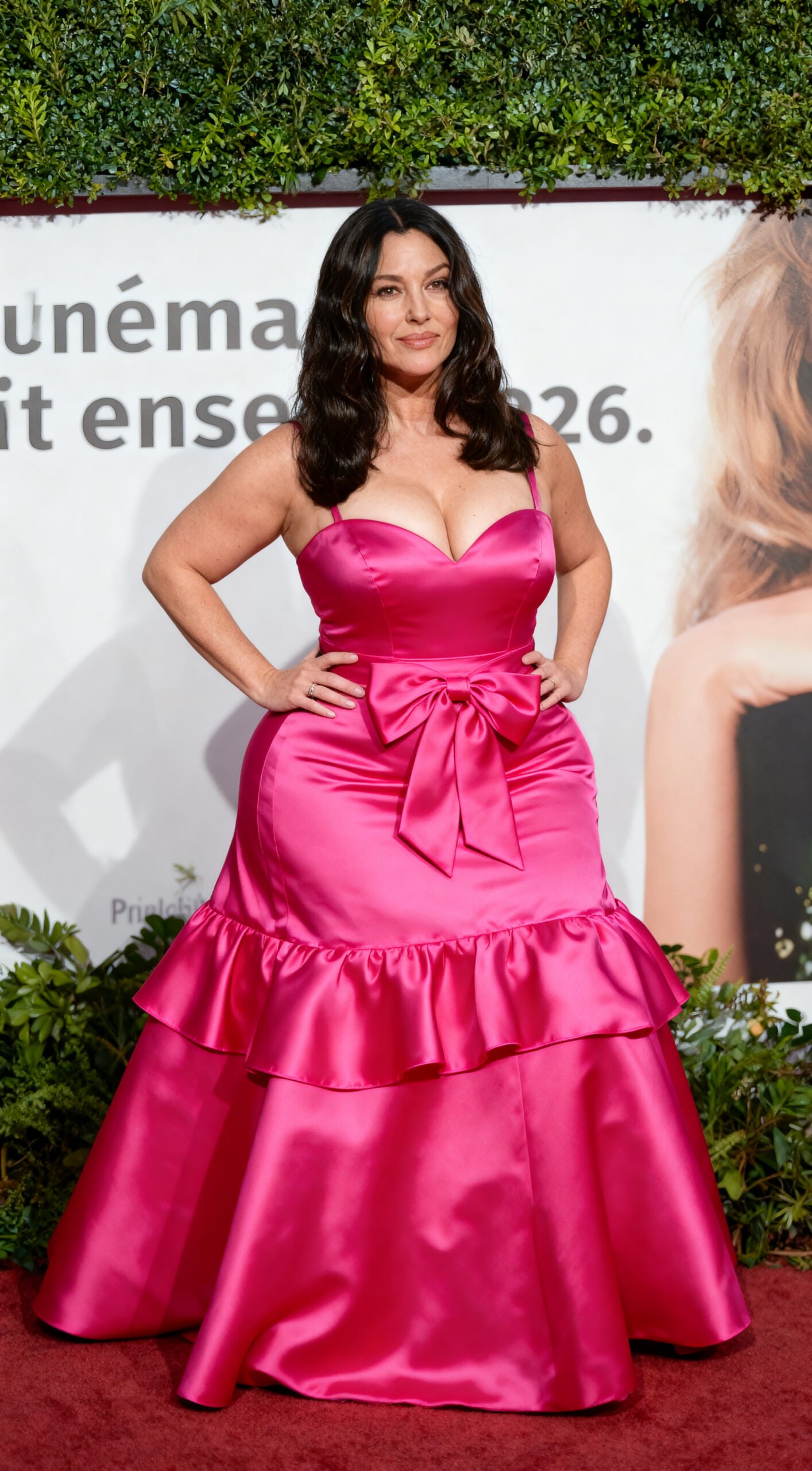
She has never apologized for being sensual. Never tried to become smaller or more “acceptable” as cultural expectations shifted. Never allowed the film industry to decide when her story should end.
In an era when so much beauty is digitally perfected, surgically preserved, or simply hidden after forty, Monica Bellucci simply continues to exist — fully, confidently, at whatever age she happens to be.
That kind of ease with time is rare. It cannot be bought, faked, or forced. It comes from knowing who you are, refusing to be diminished, and allowing every year to add another layer of depth instead of subtracting anything.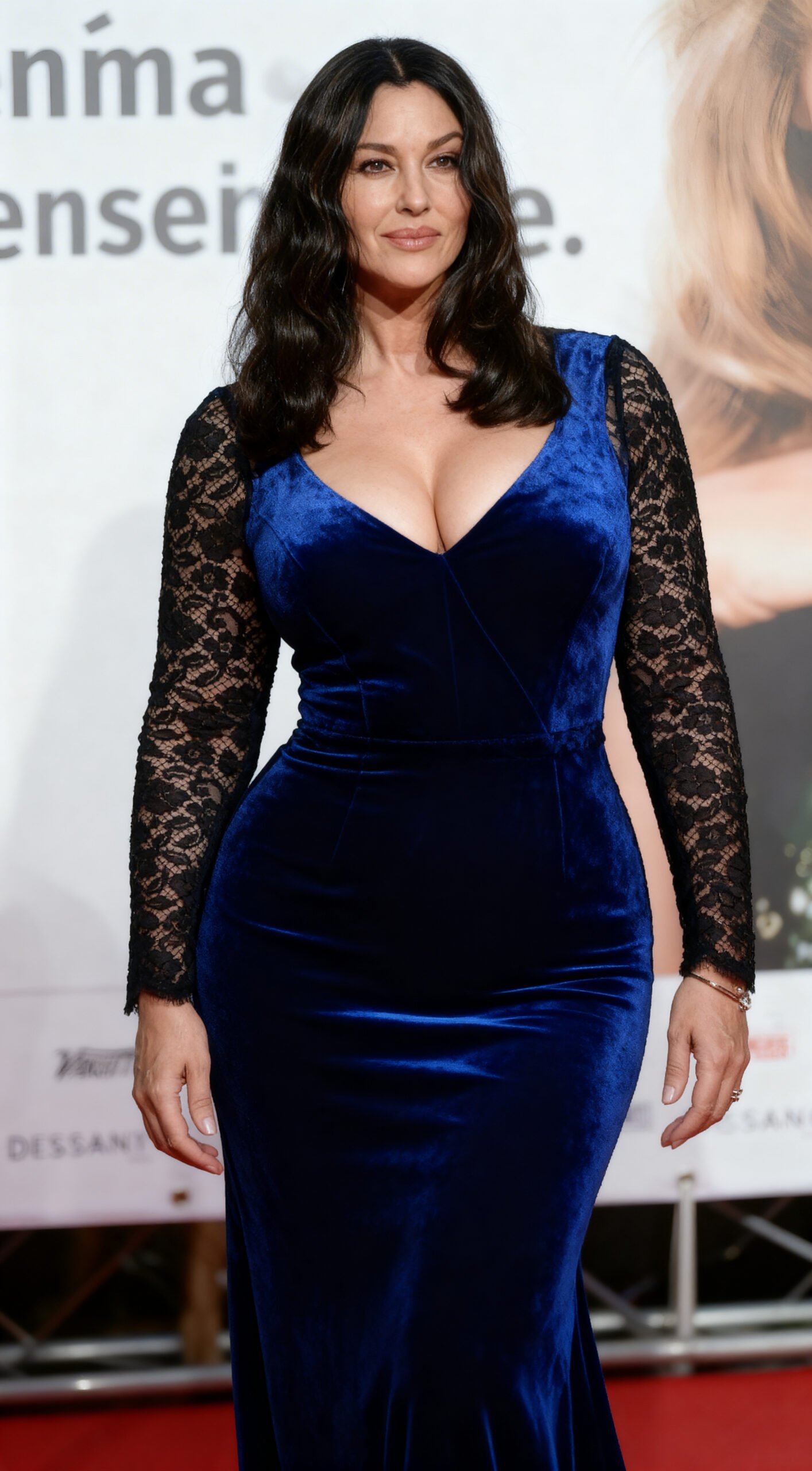
Whether she is crossing a red carpet in a gown that stops the room, answering an interviewer with calm candor, or playing a character who refuses to be reduced to a single note, she quietly reminds us of something easy to forget: the most beautiful thing a woman can carry is not flawless skin or eternal youth — it is the certainty of a life fully claimed.
And that certainty only becomes stronger with time.