
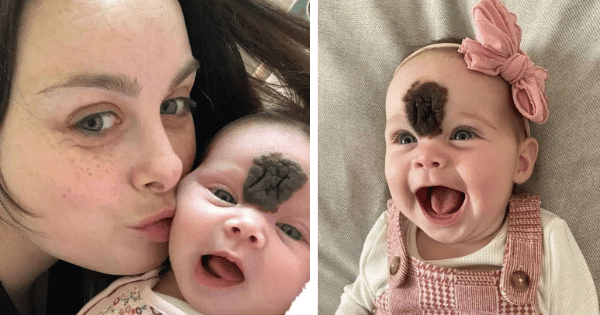
A rare birthmark marked the beginning of a heartening moment for a relieved mother, as her baby girl bid farewell to it on her forehead, despite initial criticism from medical authorities.
A rare birthmark
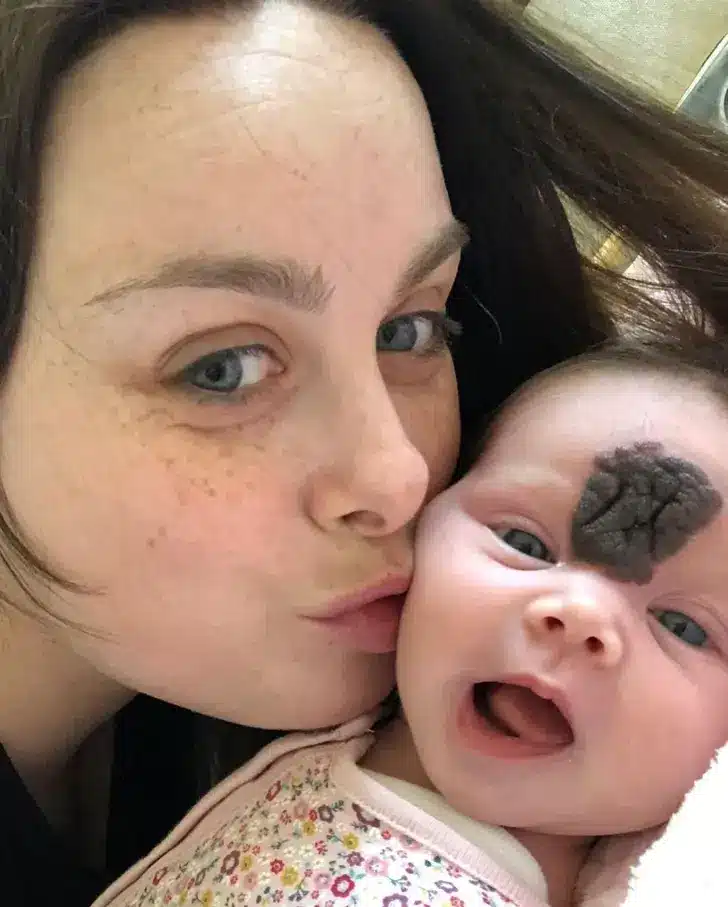
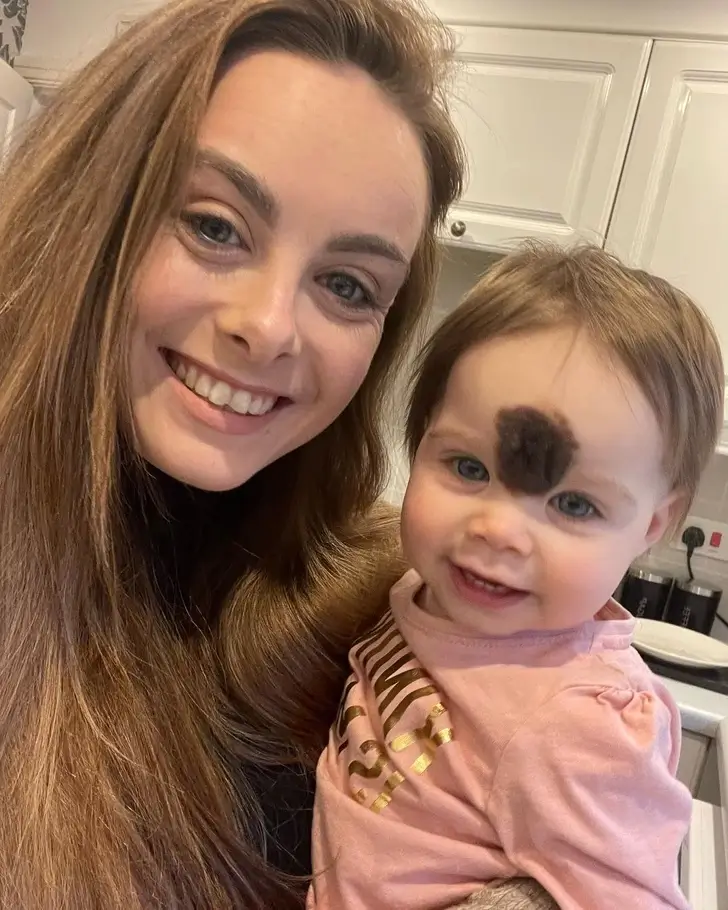
Introducing Celine Casey and her two-year-old daughter, Vienna Shaw, born with a rare congenital melanocytic nevus (CMN) on her forehead, a birthmark seen in just one out of 20,000 newborns. Upon learning about the mark, Celine felt overwhelming worry, questioning her pregnancy and uncertain about its impact on her daughter’s life. What she was sure of, though, was her desire to have it removed, hoping for Vienna to have a carefree childhood without feeling unique.
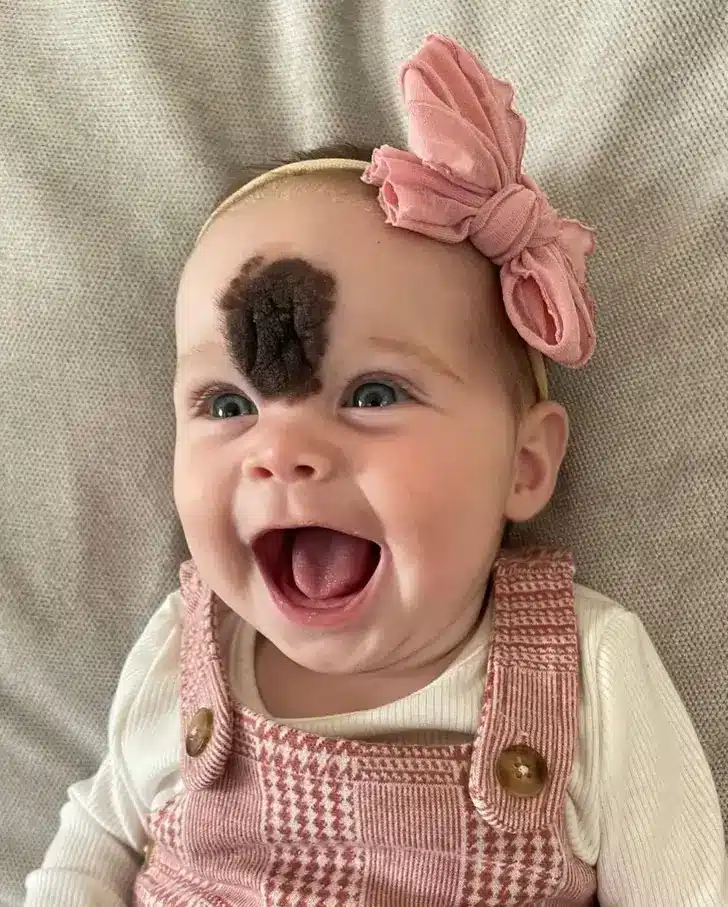
While Brookshaw’s birthmark posed no physical concerns, Casey recognized its potential to affect her mental well-being as she grew up and interacted with curious peers. Celine shared that, at times, the family concealed Vienna’s birthmark to avoid unwanted attention during their outings, stating, “We went out daily with her, and we got a few stares.”
However, attaining the surgery was a challenging endeavor.
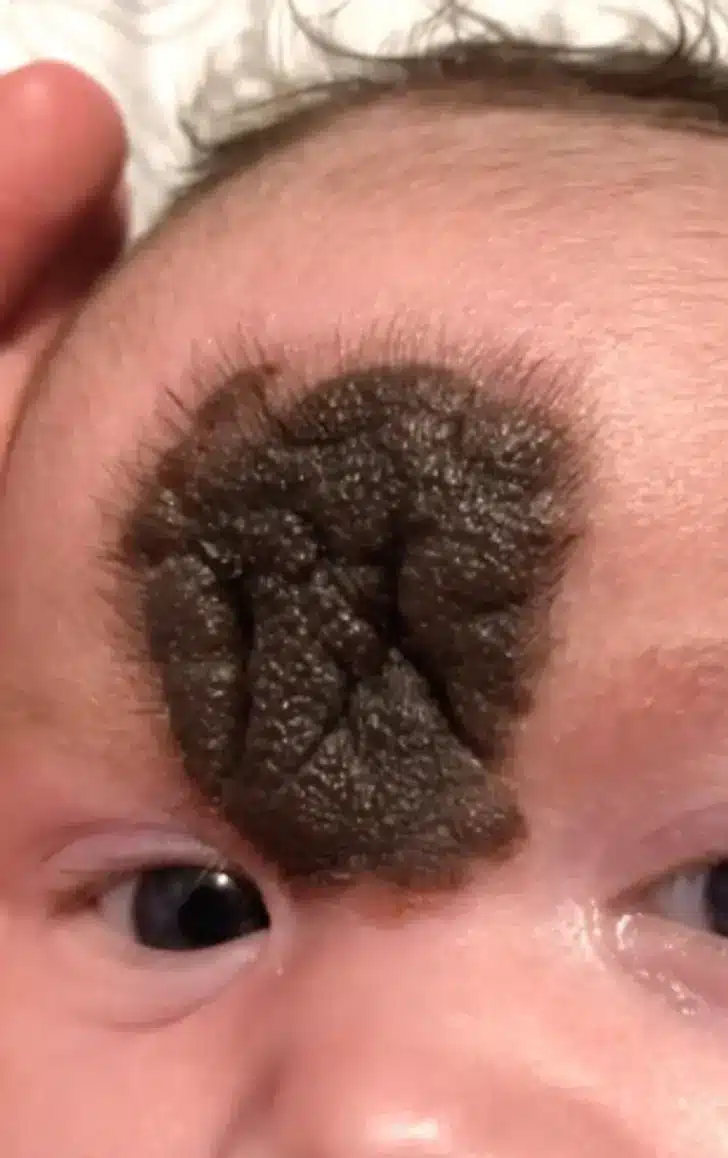
Upon seeking help from the NHS, the family received disheartening news. Medical professionals deemed the mark removal as a cosmetic procedure and declined to perform it.
However, the parents had a different perspective. They were genuinely worried about potential teasing from other children, which could negatively affect their daughter’s mental well-being. Casey also feared that not addressing the birthmark might lead to her daughter resenting her and her partner in the future.
Faced with the need for funds, the parents took matters into their own hands, launching a private fundraising campaign. Within just 24 hours, they successfully raised $52,000. Nevertheless, the hospital expenses surged in 2020, requiring an additional $27,000. Undeterred, they made a fresh funding appeal and ultimately reached their target.
They encountered difficulties when dealing with medical professionals.

A difference in opinions has arisen due to a disagreement between the parents and the medical team regarding Vienna’s birthmark. Vienna’s parents wanted to remove the mark through surgery, but the surgeon declined, believing that such a decision should be left to the child when she’s of age.
In response to this controversy, Vienna’s father, Daniel Brookshaw, expressed his disappointment with the doctor’s stance. The doctor also consulted with a dermatologist who concurred with the surgeon, as the birthmark poses no threat to Vienna’s health and is non-cancerous.
The surgery was a success.
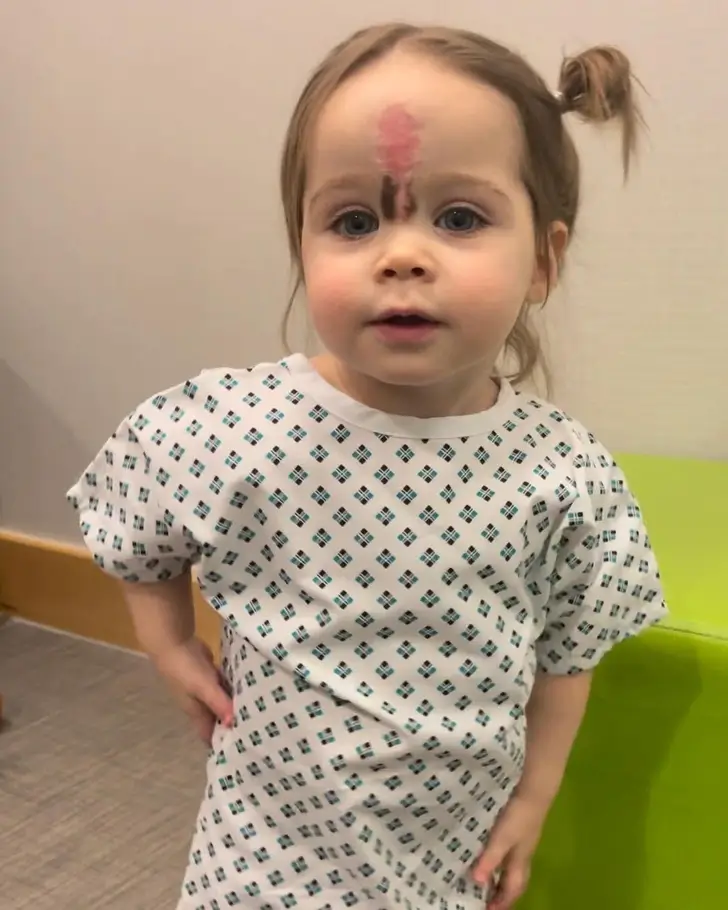
Vienna is now two years old, and her doctors have effectively removed her birthmark, leaving behind only a faint scar located between her eyebrows. Casey often shares updates on Shaw’s scar and recovery process on her social media, where followers admire her daughter’s beauty.
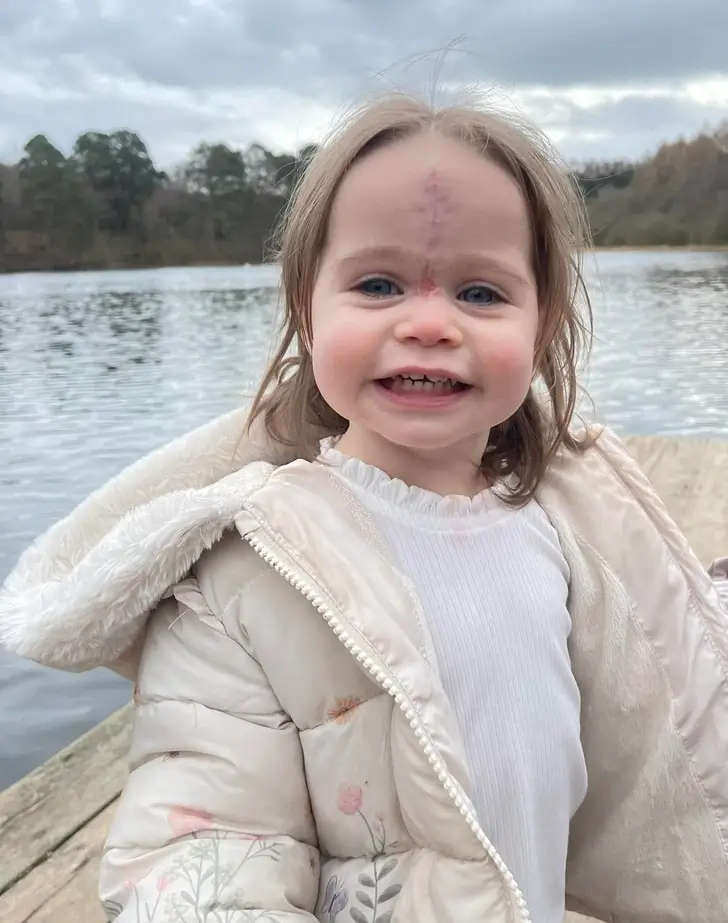
Despite the successful removal of the birthmark, Casey and Shaw still need to make periodic trips between cities to monitor the scar’s healing progress and assess whether any additional procedures are necessary, in addition to the three she has already undergone. Today, Shaw is enjoying the typical life of a two-year-old.
Vienna’s birthmark case highlights the balance between parental concern and a child’s medical autonomy, raising ethical questions about minors’ rights in healthcare.