

Laura had parts of her labia removed after months of painful symptoms
Laura Liddle was diagnosed with vulval cancer in July 2025, after months of constant discomfort. She dealt with severe itching, swelling, and pain that kept getting harder to ignore.
For around three months, she kept visiting her GP and going through tests for things like thrush and STIs. Every time, the results came back clear, which only made the situation more confusing and frustrating.
She then had surgery that removed part of her labia, and that is when she received the upsetting news that it had progressed into vulval cancer. Laura has since had more surgery, including lymph nodes removed from her groin in December, and she is now cancer-free.
With her treatment behind her, she is using her story to push a simple message: women need to feel comfortable knowing what is normal for their own bodies. She believes that awareness can make it easier to catch symptoms early, instead of brushing them off or assuming they are something minor.

‘I just put it off as nothing’
The hospitality worker said her first sign something might be wrong showed up back in March 2022, while she was recovering from surgery for a groin abscess.
She explained that while cleaning the wound, she noticed something that “didn’t look right.” She saw swelling in her left labia and immediately felt unsure about it.
Still, because it did not hurt at the time, she tried to convince herself it was just how her body looked. She told herself that everyone’s anatomy is different, and that not everything unusual automatically means something serious.
But by the beginning of last year, she said things shifted fast and became much harder to cope with. The swelling and discomfort got so bad that she said she “couldn’t wear underwear,” because anything touching the area felt unbearable.
“I couldn’t walk and I couldn’t sleep, I was in proper agony,” Laura added, comparing the feeling to “someone bashing stinging nettles.” She said the pain took over her daily routine and made even basic tasks feel exhausting.
She said the itching was constant and intense, and she felt like she could not get any real relief. Even when she tried local anesthetic gel to numb the area, the pain stayed and the irritation kept coming back.
Laura also said the symptoms started to feel less like something temporary and more like something that was building over time. It was not until she had surgery and later got her diagnosis that the months of pain and confusion finally started to make sense.
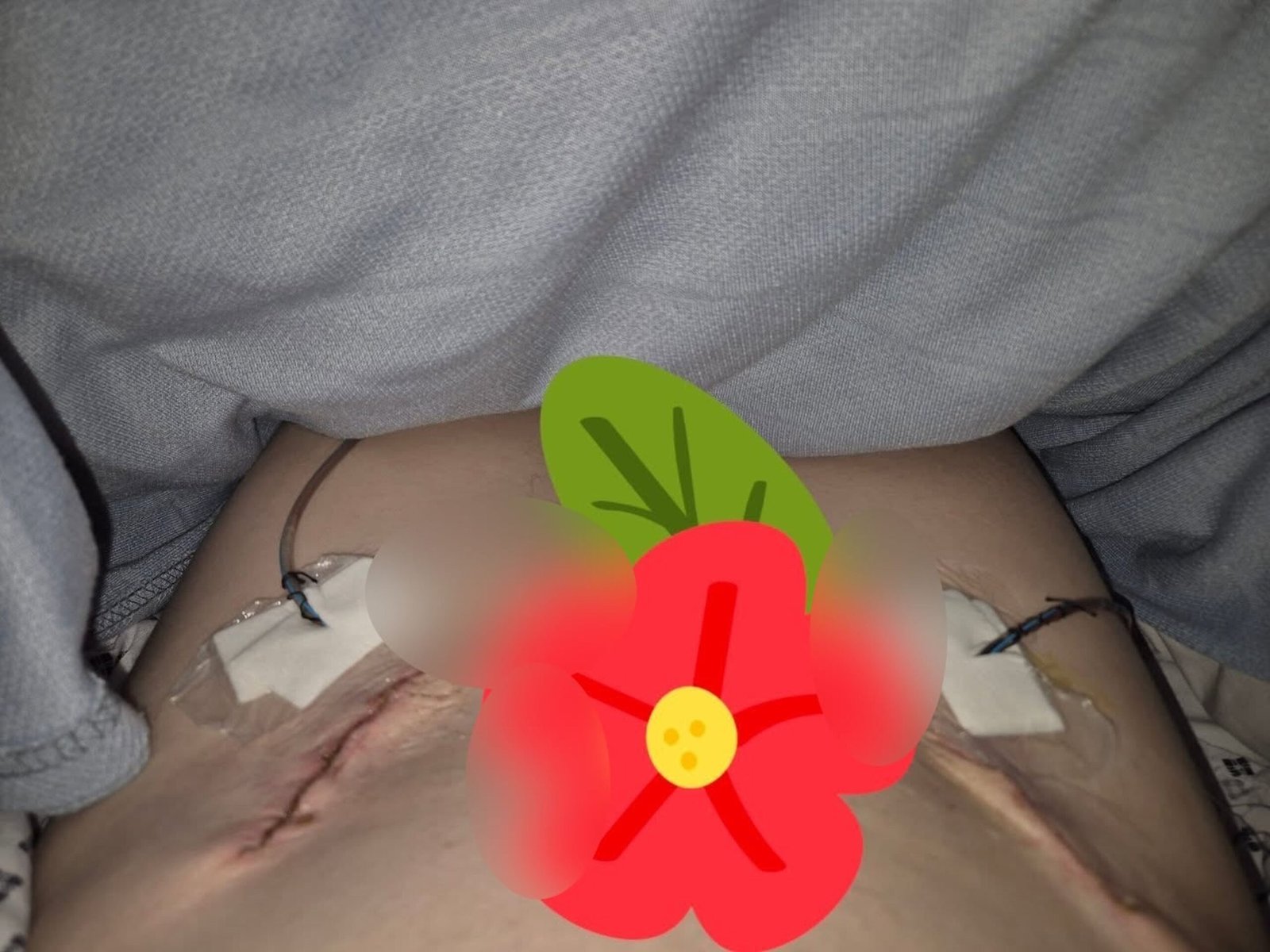
Laura explained that she has been told her situation is rare, and she said doctors warned her the surgery could affect her sex life. She also said she still deals with pain in everyday moments, including when she uses the bathroom, which adds another layer to the recovery process.
“Where they’ve removed skin it can make it a lot narrower so it can make it a lot more painful when you have sex,” she added.
‘You could probably save your life’
Laura said she is speaking out because she wants other women to pay attention to changes and get anything unusual checked sooner rather than later. She is not trying to scare anyone, but she does want people to take symptoms seriously, even when tests come back normal at first.
“A lot of young girls don’t touch their vaginas, they don’t look at their vaginas, it’s a taboo thing to do,” she explained.
“You have to know what it feels like, you have to know what is down there for you to know if something’s not right. I’m a big advocate for female masturbation, that’s how you feel that things are not right.”
“I think it [vulval cancer symptoms] really needs to be talked about and be advertised everywhere.”

Vulval cancer explained by the NHS
Vulval cancer is cancer that’s found anywhere in the vulva. The vulva is the area around the opening of the vagina, including the inner and outer lips around the vagina (labia) and the clitoris. Vulval cancer may be caused by certain types of human papillomavirus (HPV), or by skin conditions that affect your vulva. Symptoms of vulval cancer can affect any part of your vulva, but they’re most common on the inner and outer lips (labia) around the opening of your vagina.
Symptoms can include: a lump, a sore, bleeding from your vulva, or blood-stained vaginal discharge, that is not related to your periods, itching that does not get better, changes to your skin, such as red, white or dark patches, a mole that changes shape or colour, burning pain when you pee.
Always seek advice from a healthcare professional if you have medical concerns.
Content retrieved from: https://www.thatviralfeed.com/woman-masturbation-awareness-vulval-cancer-diagnosis/109691.